Hear O'Washington
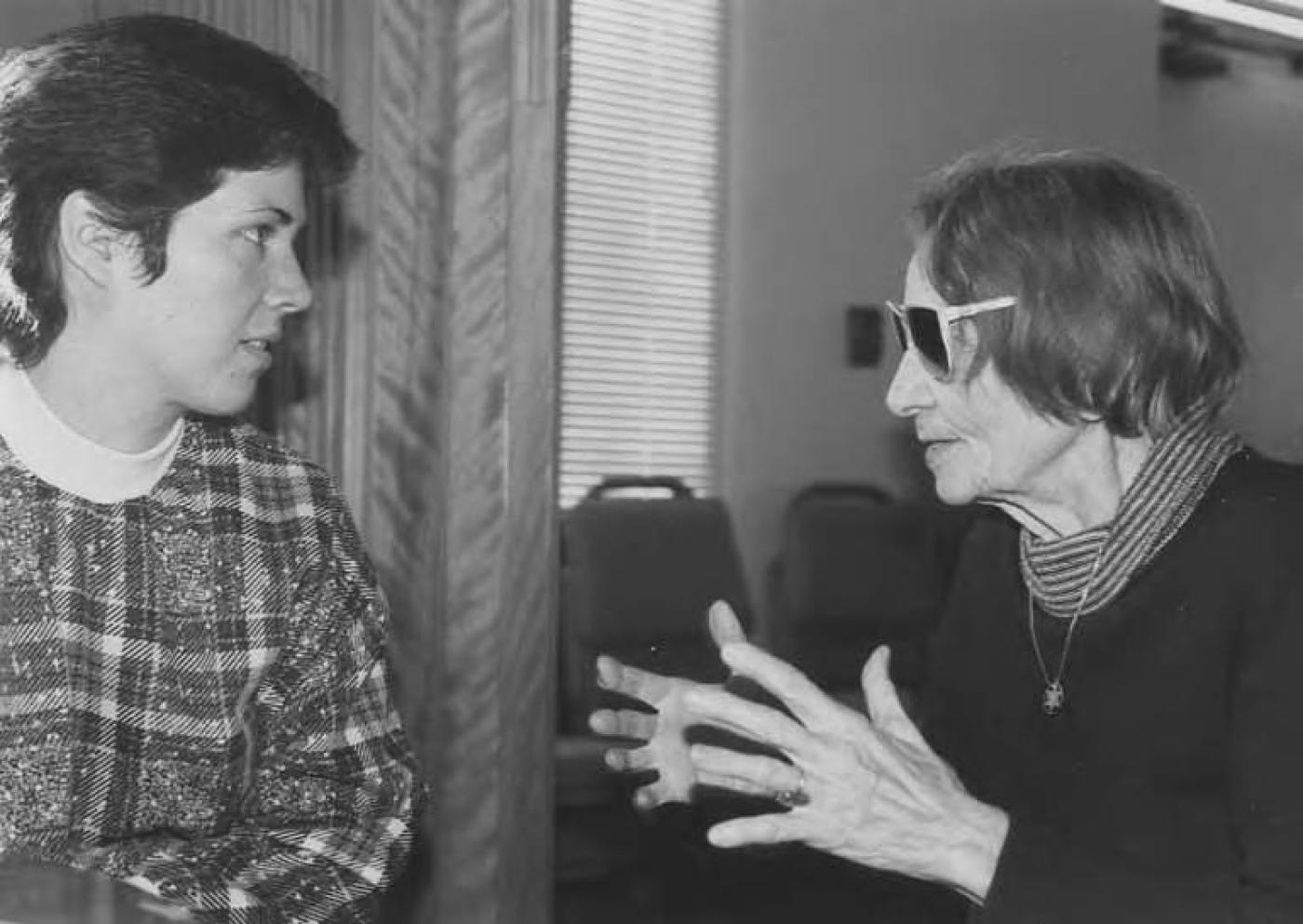
Oral histories capture lived experiences, preserving cultural memory from one generation to the next. Our collection celebrates the diverse voices, traditions, migrations, and resilience that shape Jewish life in Washington. Our digital archive ensures that Jewish voices are preserved and remain accessible, fostering connection, education, and a deeper understanding of Washington’s Jewish history.
Explore our oral history catalog, listen to interviews collected from communities across Washington, record your own testimonial, or submit a request for a narrator to help preserve another story.
Nominate a Narrator
Help Us Find Our Next Narrator
Know someone with a meaningful story to tell? Help us preserve their voice for future generations. When you nominate a narrator, your suggestion will be added to our "prospective narrators" list. Please note that making a suggestion here will not guarantee that we can provide an interview for your nomination, but all requests will be considered in accordance with our current curation plan.
WSJHS Testimonials
Tell us your story
WSJHS is dedicated to preserving the oral histories of Washington’s Jewish community. One way to participate is by recording a short testimonial using TheirStory, a digital oral history platform. The testimonial links below include instructions, and prompts appear on the side of your screen to guide your responses. These testimonials may be published in collections, used for research, and shared through other educational and historical projects.
Oral History Collections
Exploring Shared Themes, Experiences, and Stories
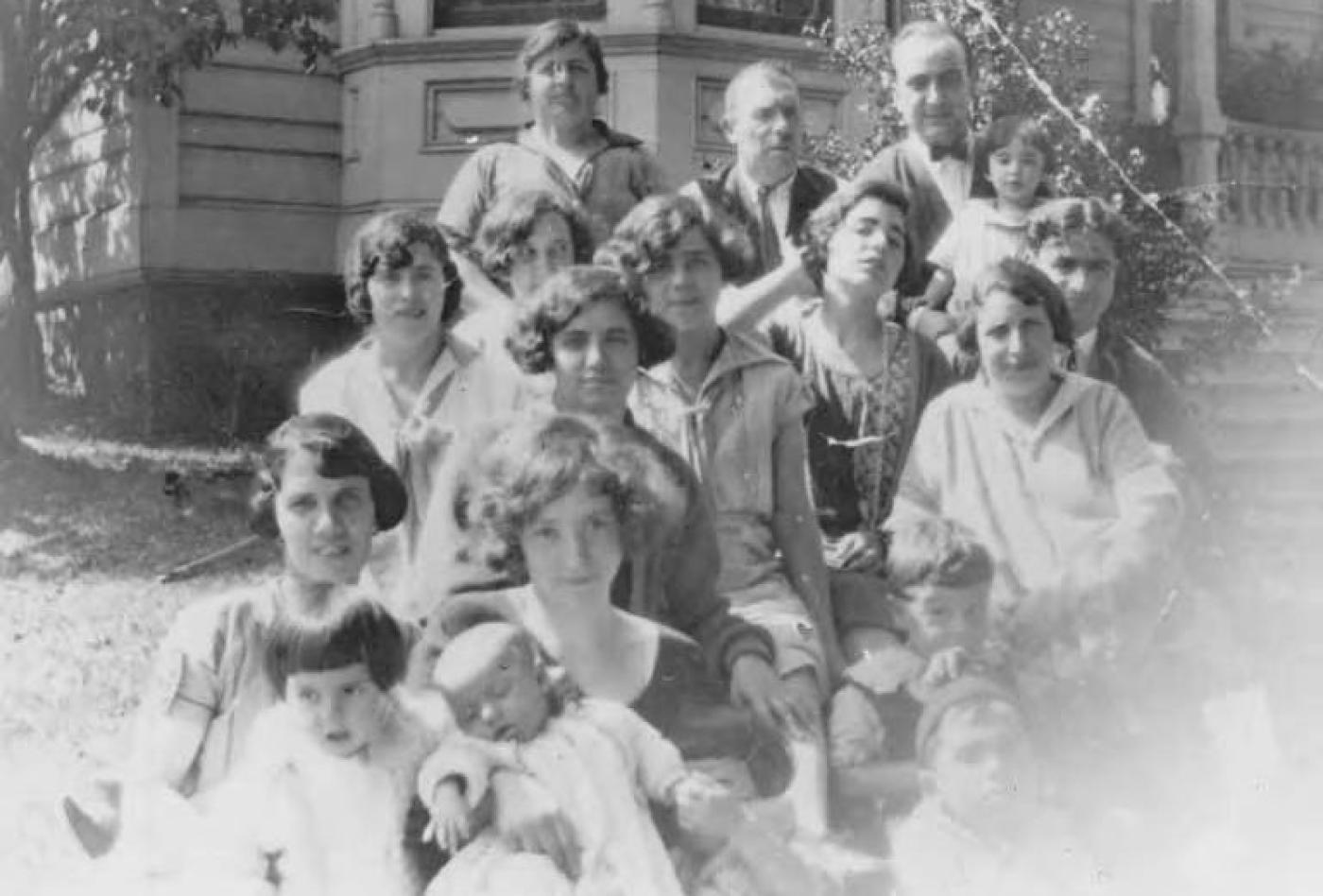
Our oral history collections bring together interviews organized around shared themes, communities, and experiences, offering new ways to explore the history of Jewish life in Washington State. By presenting these stories alongside one another, the collections provide deeper context and highlight the connections that shape our shared history.
Coming Soon
Interactive Map
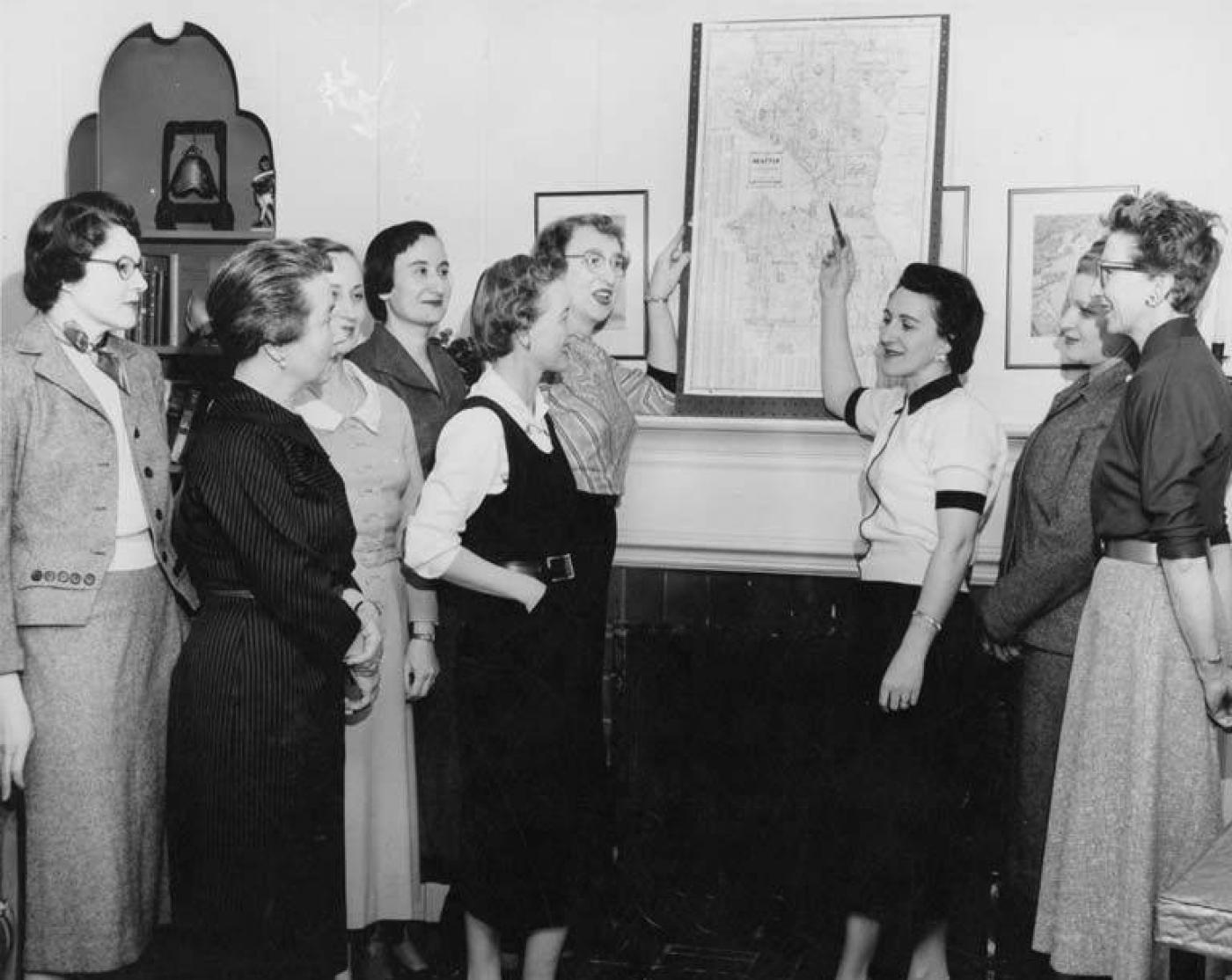
Follow the Traces of Jewish Washington
The WSJHS Interactive Map allows you to discover and trace the many locations referenced throughout our oral history interviews. Because each life story is shaped by movement and place, a single interview may include multiple tagged locations, reflecting journeys that span neighborhoods, cities, states, and countries.
Coming Soon
Step Inside the Story Booth
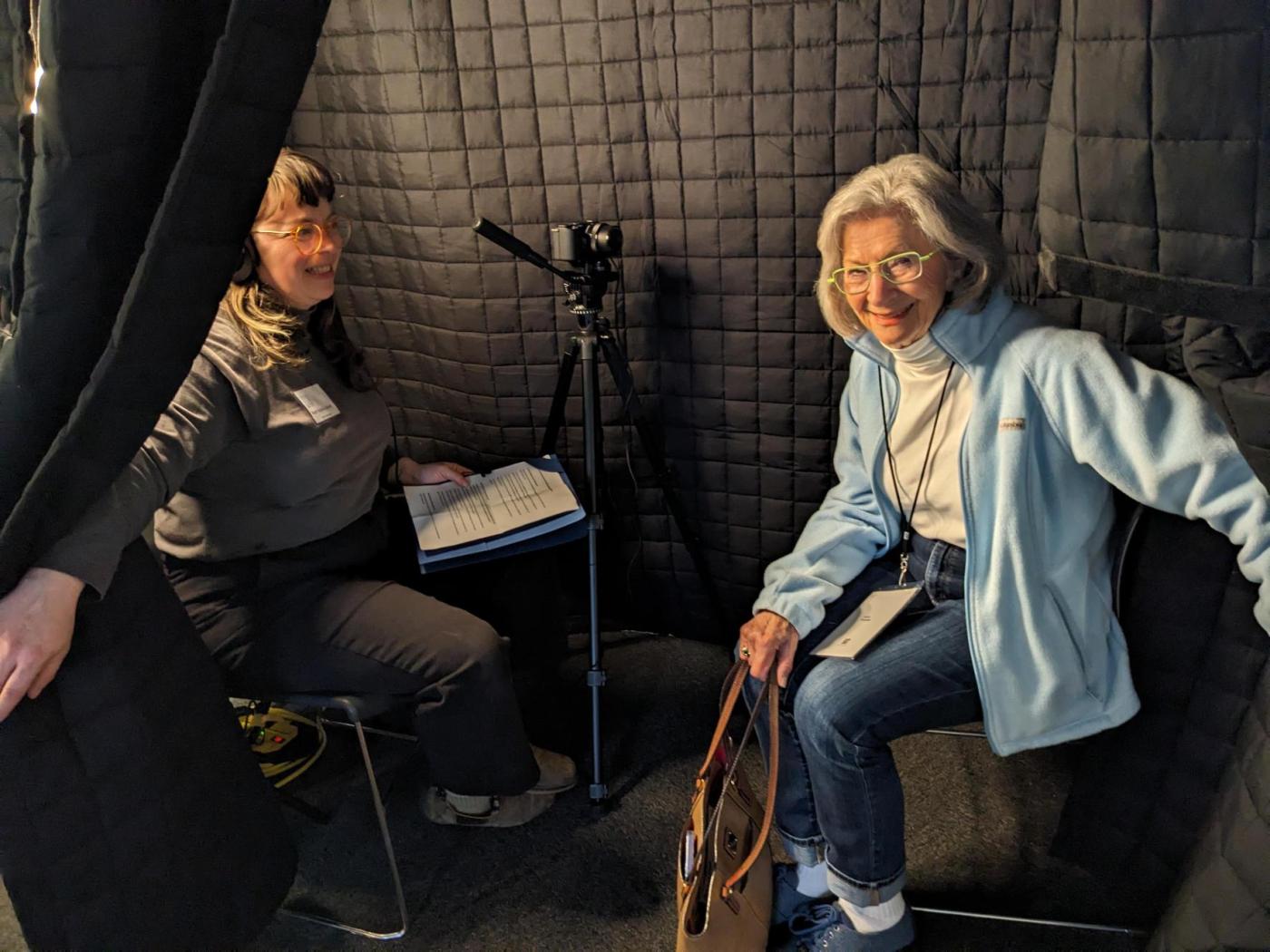
Stories, Memories, and Voices from Our Community
The Story Booth is a pop-up recording studio that offers a private space for interviews on site. This initiative allows the oral history program to travel to the places where Jewish communities live, learn, work, celebrate, and pray. By meeting the community where they are at, the Story Booth is capable of outreach and collection in tandem.
Discover Jewish life through the people who live it
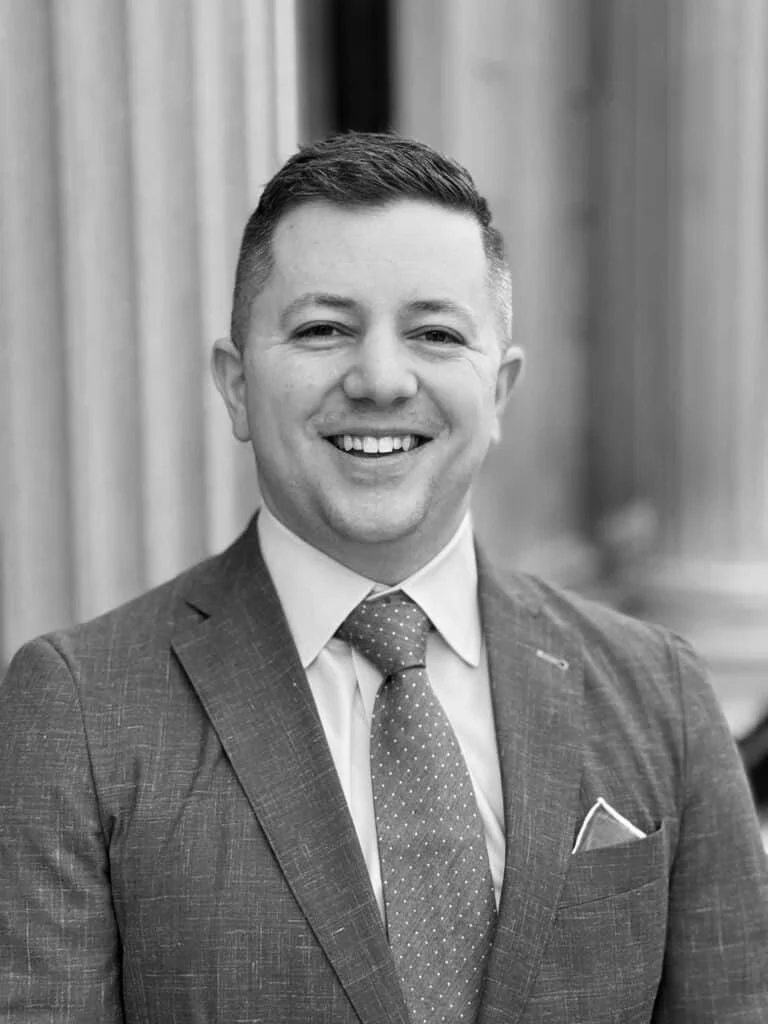
Sam Jefferies
In this interview, Sam Jefferies shares his life, from his Jewish upbringing in the Seattle area and his education to his career in public affairs, political communications, and crisis management. Jefferies reflects on the evolution of his Jewish identity, the rise of antisemitism in higher education and public life, and his leadership within Jewish organizations following the events of October 7, 2023. He describes the founding of the Kids Table PAC, its mission to increase Jewish civic engagement and political advocacy in Washington state, and its focus on supporting candidates who oppose antisemitism. Throughout the interview, Jefferies discusses generational changes in Jewish leadership, the challenges facing the Jewish community, and his commitment to strengthening political participation and community advocacy.
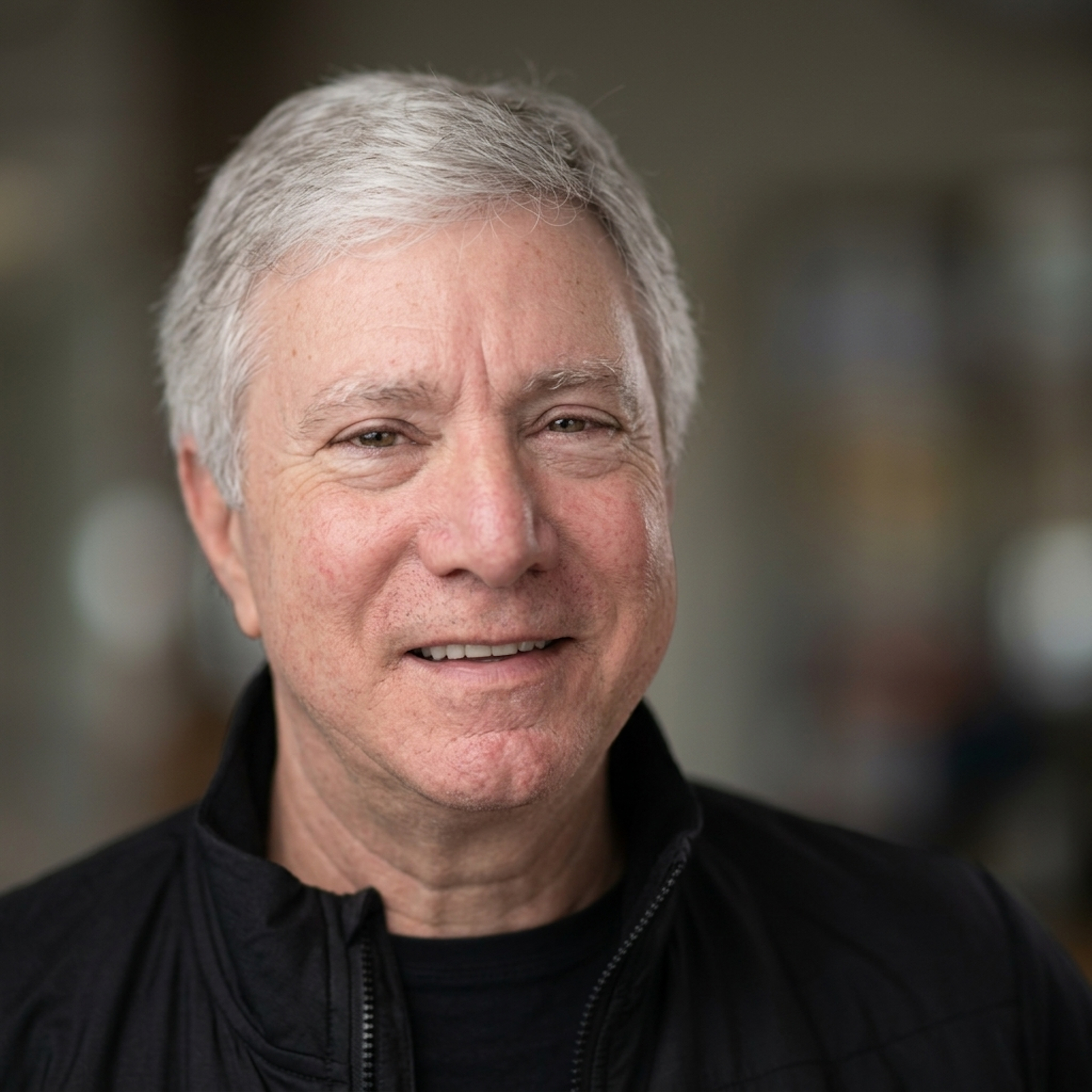
Ken Baronsky
Ken Baronsky reflects on his memories of growing up in Seattle and tells the story of his great-grandparents' immigration to the United States. His great-grandfather, Mendel Baronsky, served as mohel, sofer, and sochet to Washington's Jewish community. Ken used archival materials, oral history, and research to write Zayde's Crossing, a novel based on his family's story.

Janice Brumer
Janice Brumer discusses her lifelong involvement with Jewish summer camps, emphasizing their role in fostering Jewish identity, community, and leadership. She shares personal experiences, from her early days as a camper to her founding of Camp Kalsman, highlighting the camp’s cultural and spiritual significance. Looking ahead, she outlines plans to expand and modernize the camp to serve future generations and strengthen its impact.
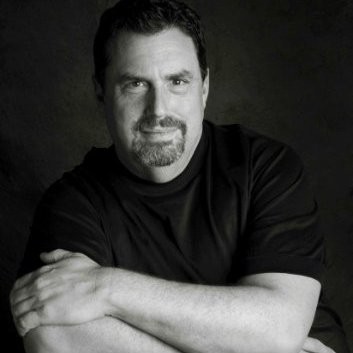
Steve Loeb
Steve Loeb, managing director of SKB family office, recounts his family's immigration history, entrepreneurial ventures, and the evolution of the Jewish community in Seattle. He shares personal experiences, including his education, travel to Israel, and leadership roles in community service and nonprofit boards. Loeb emphasizes the importance of family, community engagement, and resilience in facing societal challenges such as antisemitism.
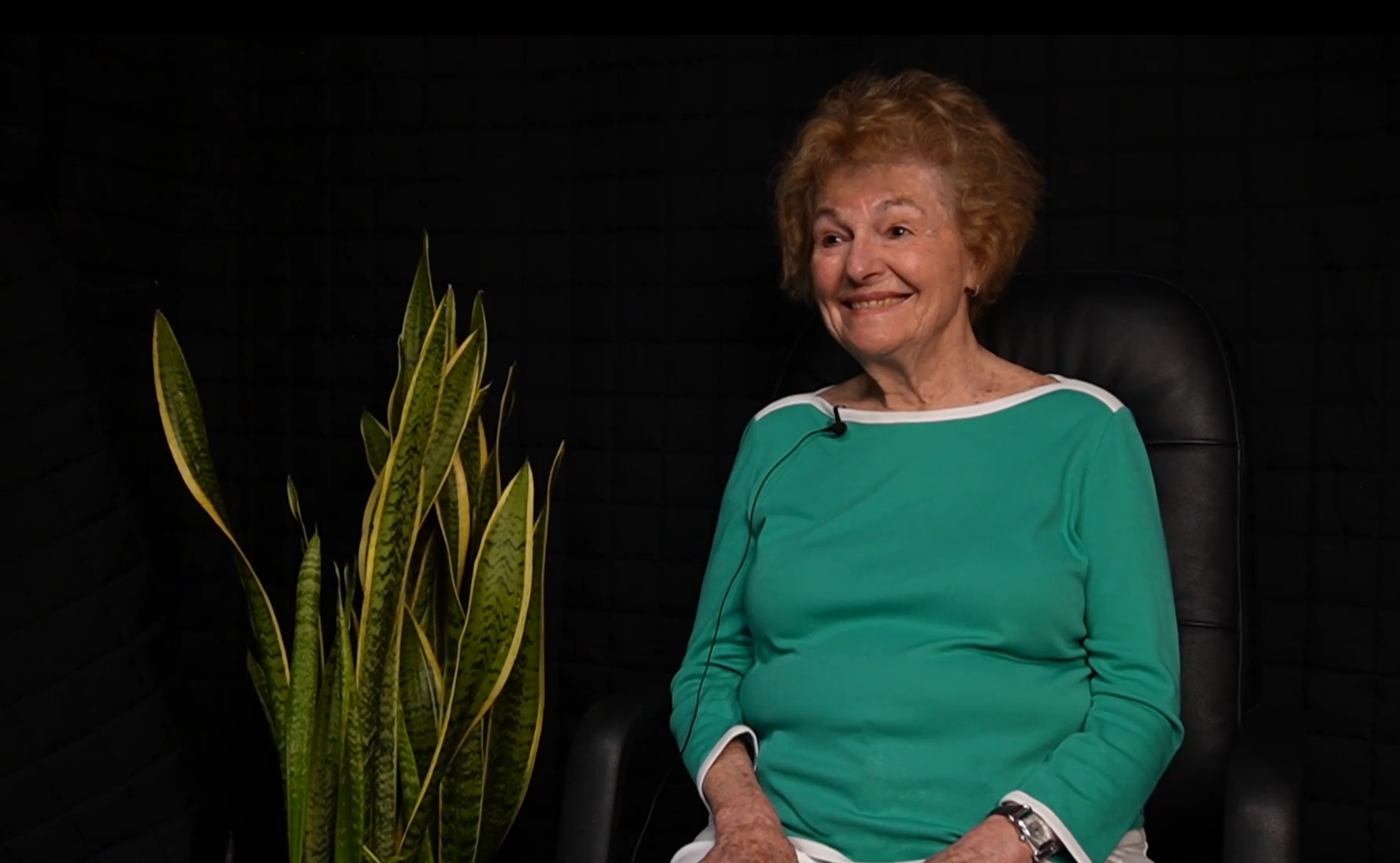
Frankie Loeb
Frankie Loeb shares her family history rooted in European origins and her upbringing in Seattle, including her involvement in her Jewish community and leadership roles. She reflects on her cultural traditions, her experiences moving due to her husband's military service, and the importance of maintaining her heritage. She emphasizes the value of community leadership and personal family joys, especially with her grandchildren and great-grandchildren.

William (Bill) Friedman
Bill Friedman is a Chicago-born physicist educated at Cornell and MIT who enjoyed a distinguished academic career, marked by decades of teaching, research, publications, and awards. After retiring, he became deeply involved with the Seattle Jewish Seniors, a vibrant community whose balance of shared identity and diverse backgrounds fostered strong bonds, intellectual engagement, and meaningful social connection until its dissolution during the COVID pandemic. Through documenting the group’s history, Friedman highlights the vital role of social interaction in seniors’ mental health and hopes their story will inspire future community-building efforts.
Bill Friedman has generously shared resources about his story and the Seattle Jewish Seniors group. You can view an album of scanned photographs, an activities pamphlet, and a narrative about the group and its members, written by Bill himself.
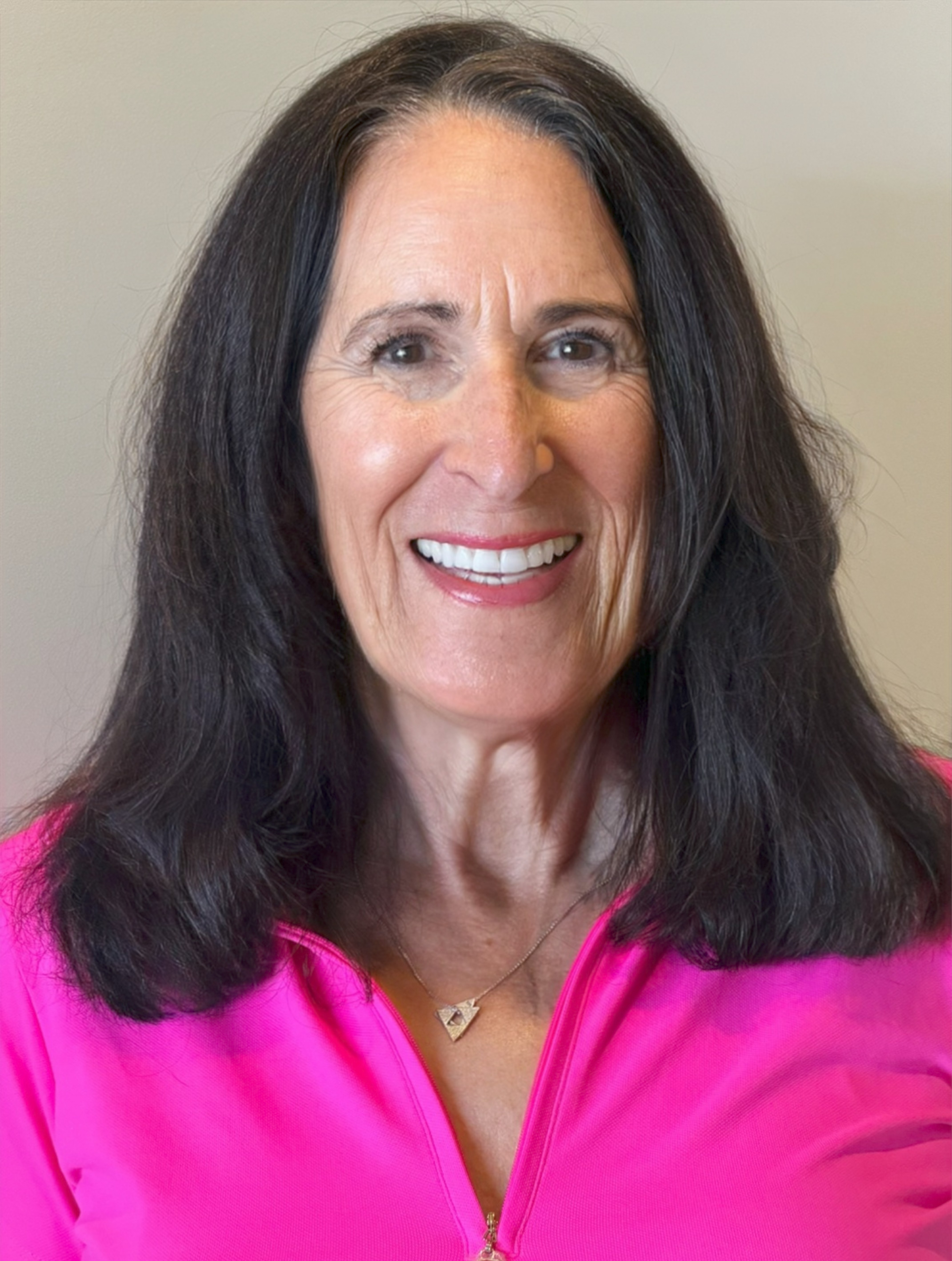
Jacquie Bayley
Jacquie Bayley's oral history covers her family's deep involvement in Vancouver's Jewish community, her transition to assisted living for her mother, and her moves from Vancouver to Seattle, including her support for Jewish education and organizations like Hadassah and the Hartman Institute. She describes her philanthropic efforts, the development of leadership programs for Jewish women, and her personal connections to Israel, highlighting the importance of community, tradition, and leadership. Throughout, she emphasizes the significance of family, involvement in Jewish life, and maintaining cultural and spiritual ties across generations.
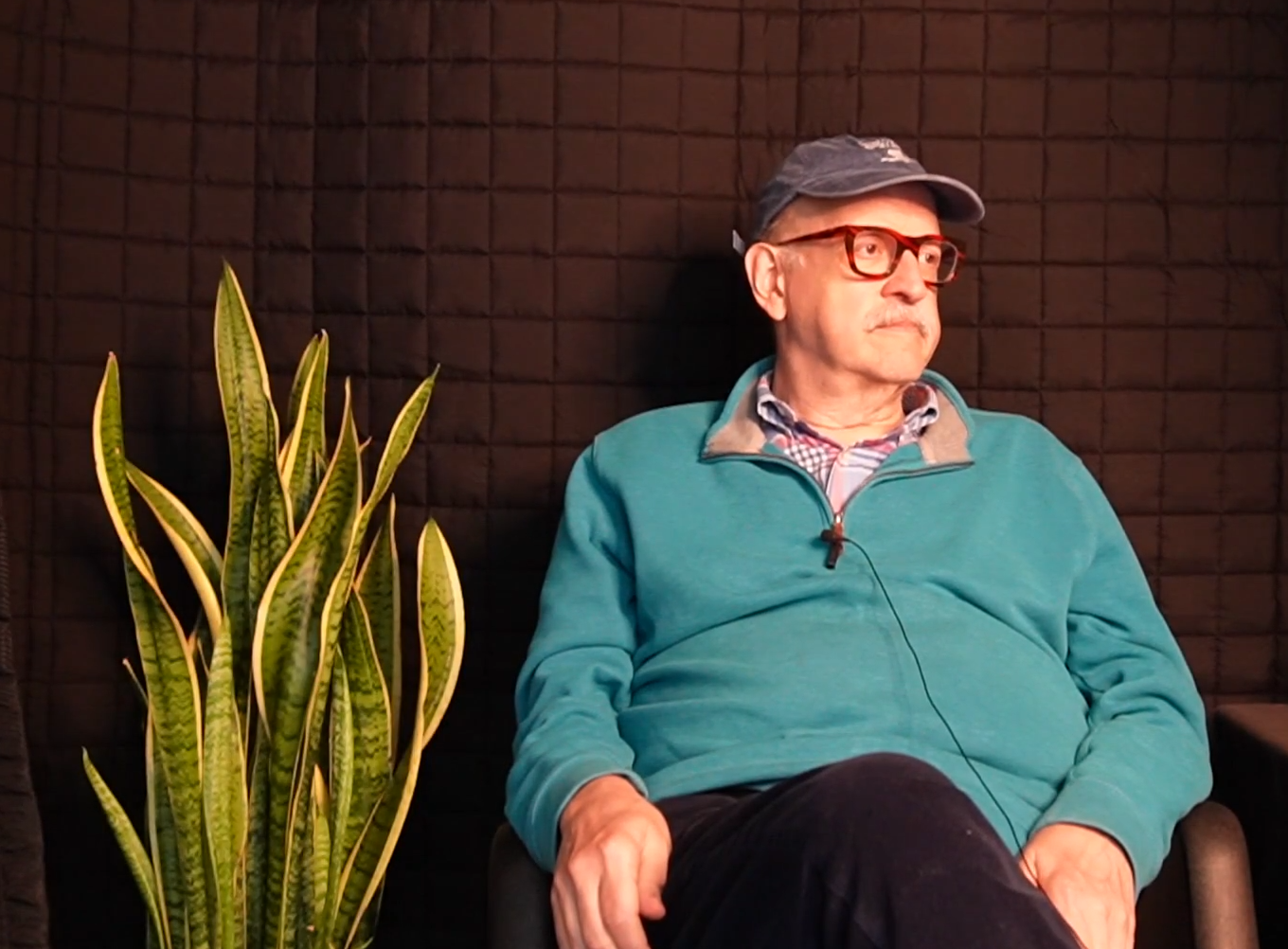
Bradley (Brad) Lehrer
Bradly (brad) Lehrer shares his lifelong connection to Jewish history, emphasizing the importance of preserving it through personal artifacts like family heirlooms and community efforts. He discusses his early activities to engage others in Jewish culture, such as organizing events with incentives, and highlights the value of physical archives over digital ones. Reflecting on community involvement, he underscores the significance of genuine human connections and recounts a philanthropic project funded through early Amazon investments that brought joy to many.
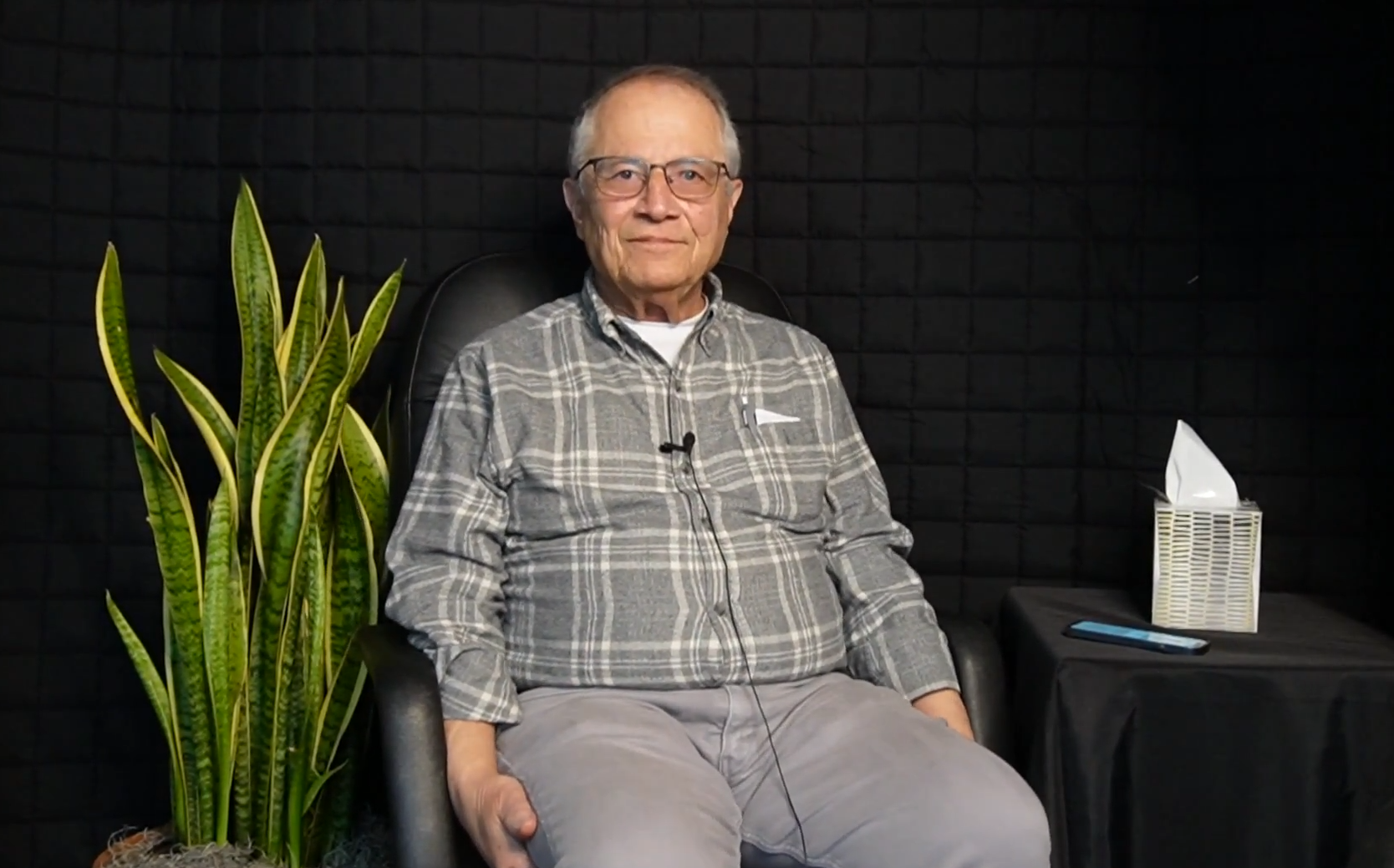
Albert Maimon
Al Maimon discusses his personal connection to Jewish history, highlighting how his family's involvement and community experiences have shaped his understanding and appreciation of traditions. He emphasizes the importance of preserving history through personal efforts, community engagement, and effective communication, especially in capturing stories and documents for future generations. Maimon underscores the role of historical societies in transmitting historical messages and maintaining a connection to heritage.
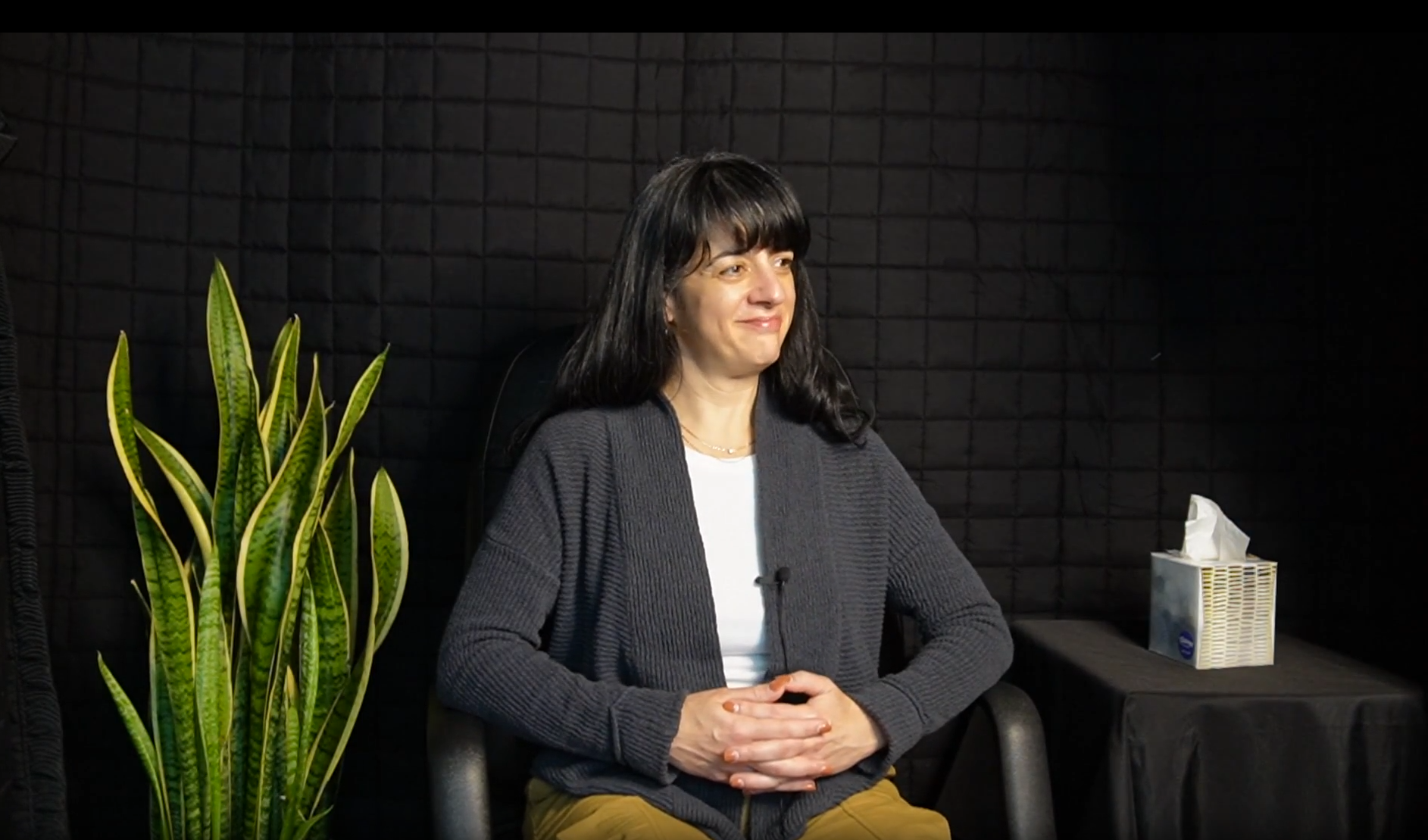
Chava Mirel
Chava Mirel reflects on her childhood experiences of celebrating Jewish holidays, emphasizing how these events connected her to history and shaped her understanding of Judaism. She highlights her family's active involvement in the Jewish community, her early exposure to Jewish music, and ongoing efforts to preserve Jewish traditions through mentorship and historical remembrance. These experiences fostered a deep sense of community, cultural continuity, and personal identity rooted in Jewish history and practice.
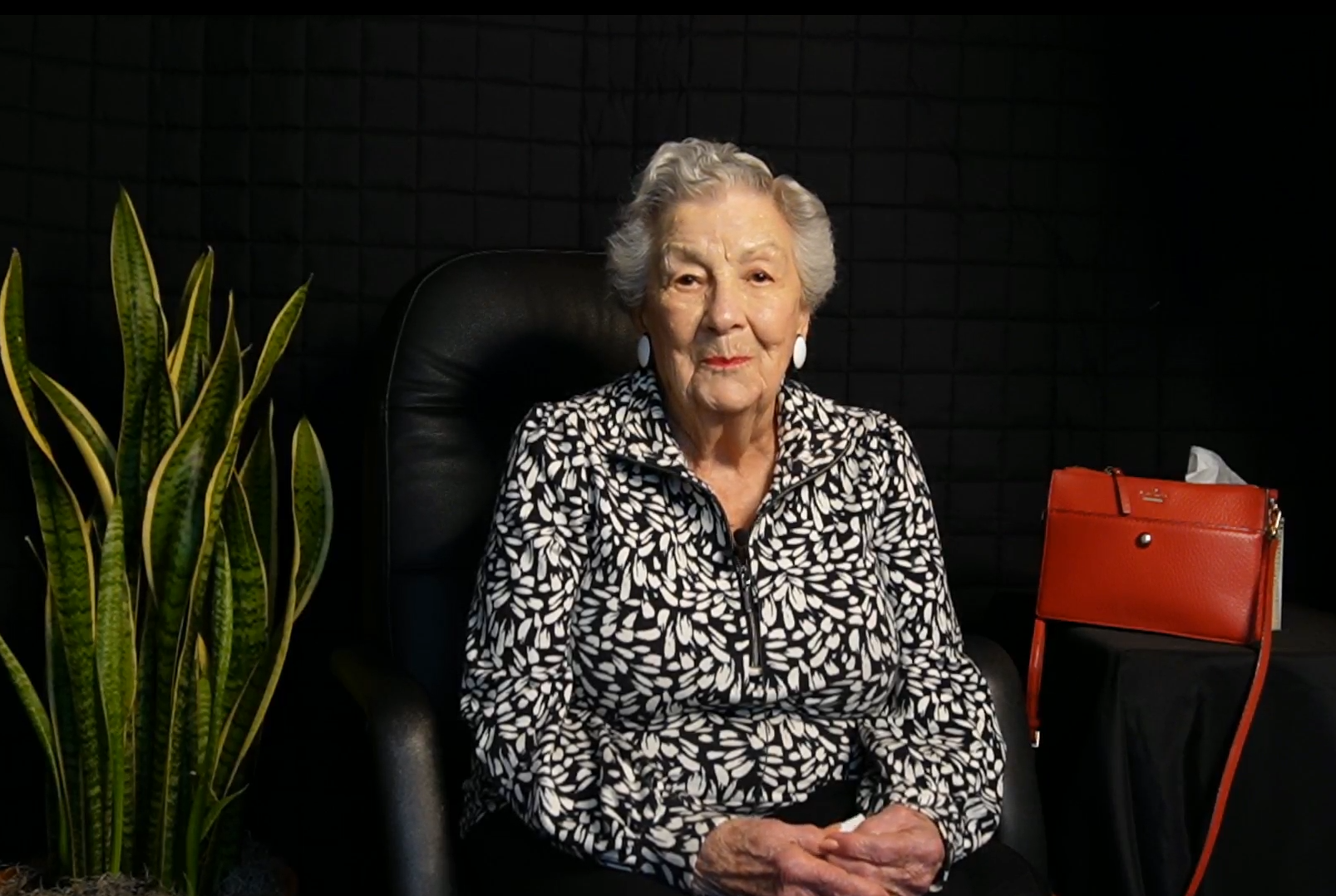
Joan Hirschberg
Joan Hirshberg shares her early Jewish education in Montana, highlighting her family's efforts to preserve Jewish traditions across generations despite not being highly observant. She emphasizes her active role in the community through the Council of Jewish Women and underscores the importance of community service as a core Jewish value. Reflecting on recent events, she shares her thoughts on the current state of the world and how the Jewish community continues to move forward.
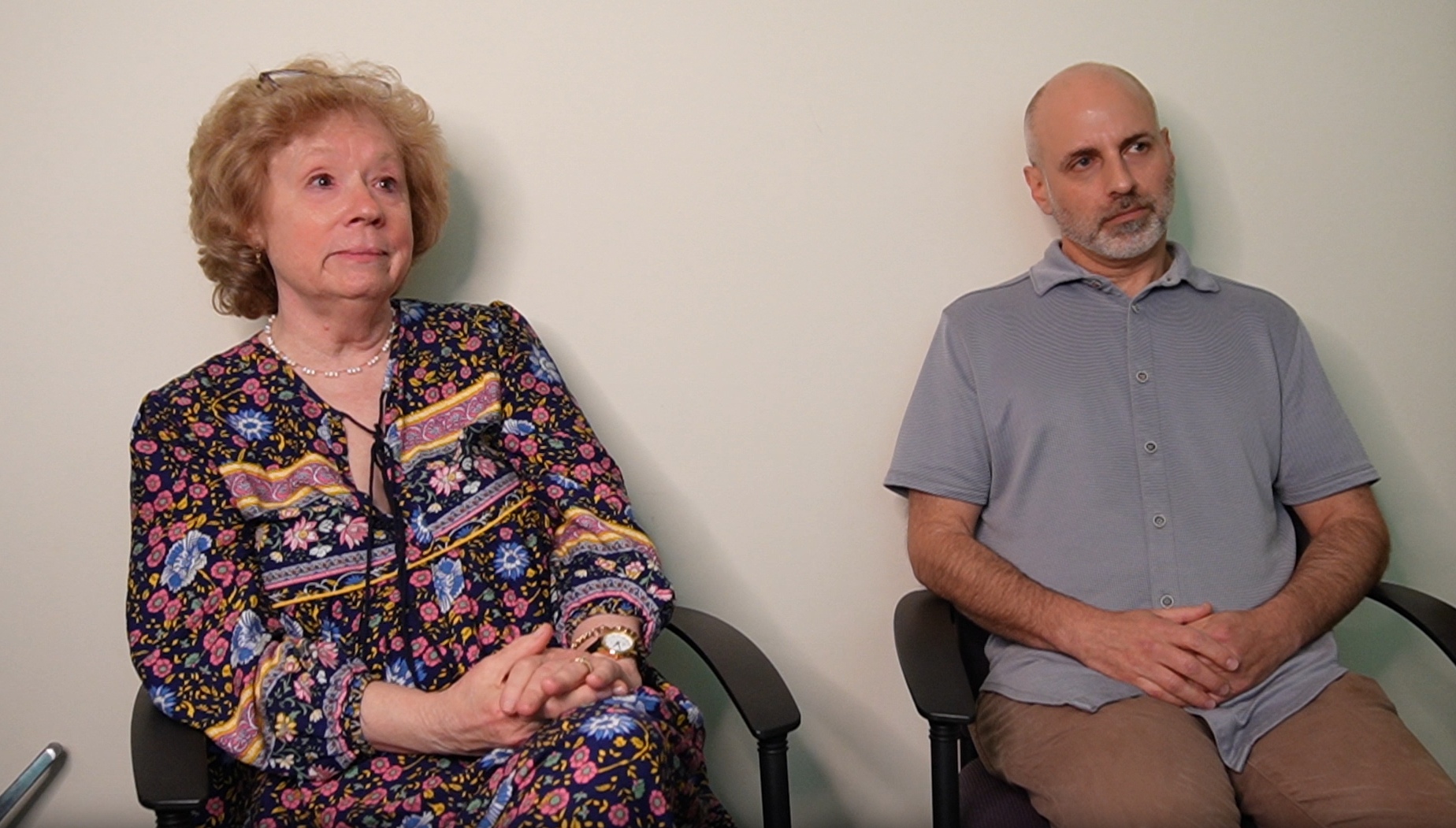
David Mayer and Pamela Poulin-Mayer
David and Pamela Meyer discuss their family's history, including their grandmother Jeanette's escape from Nazi Germany and their ancestral connection to Rabbi Samson Raphael Hirsch. They reflect on their personal and cultural identities, sharing stories of their involvement in music, theater, and Jewish traditions like hosting a Seder. This interview highlights the family's resilience through migration and their efforts to maintain their heritage and values.
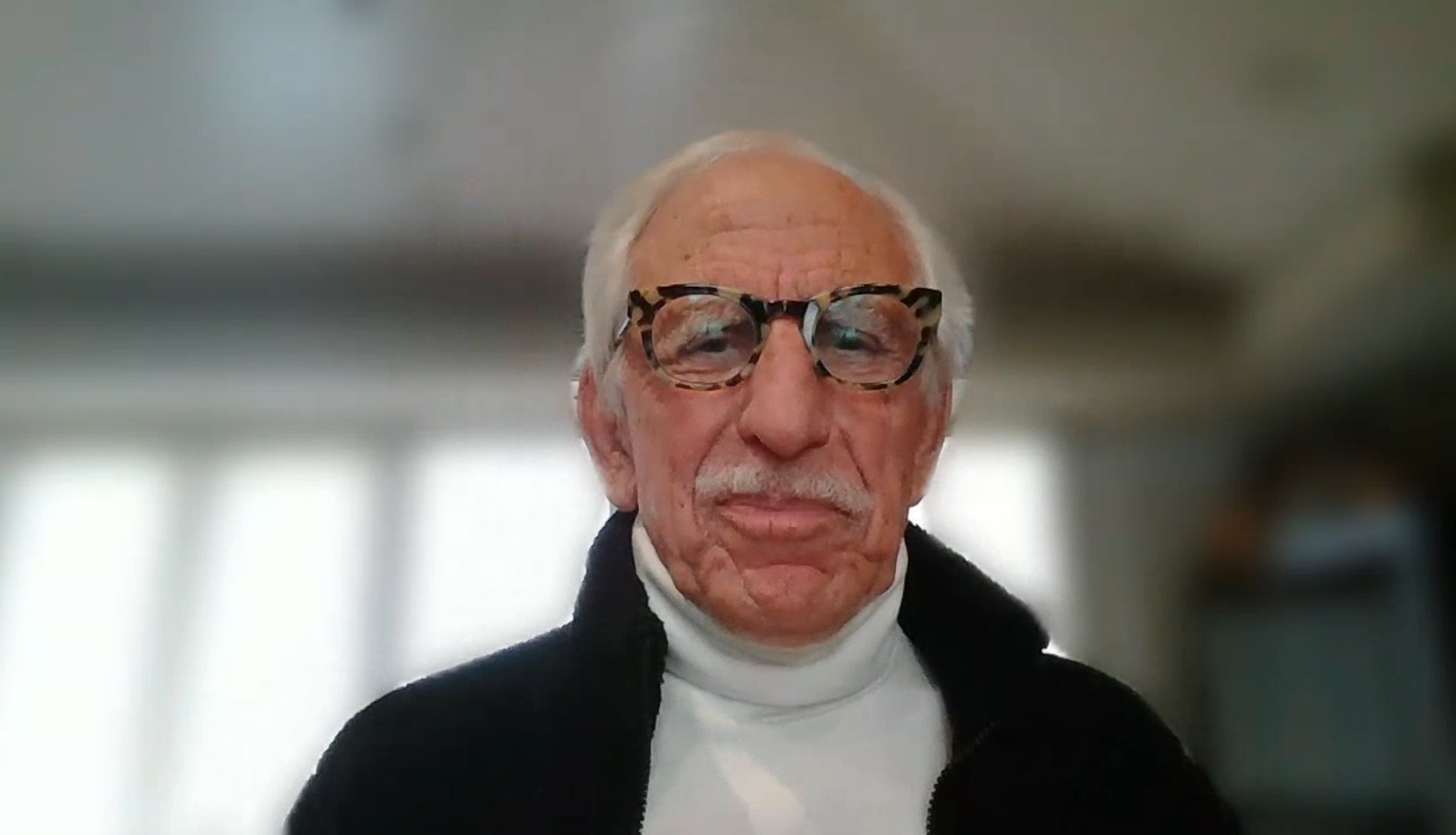
Ron Behar
This three-part oral history traces Ron Behar's life from his childhood in wartime London to his eventual settlement in the United States. Ron recounts growing up in a Sephardic Jewish family during World War II, describing the Blitz, evacuation, antisemitism, family traditions, military service in the Royal Air Force, and his decision to emigrate in search of new opportunities. He reflects on his experiences traveling and working across the United States, witnessing racial segregation in the Jim Crow South, building a career in the carpet and furniture industries, and raising a family within the Jewish community in Seattle. Throughout the interviews, Ron shares personal stories of resilience, immigration, entrepreneurship, family, and loss, offering a vivid account of a life shaped by war, cultural heritage, and perseverance.

Seth Goldstein
Seth Goldstein highlights his family's immigrant roots and longstanding involvement in the Jewish community in Seattle. He reflects on his active participation in Jewish organizations and the significance of preserving community history for future generations. Additionally, he discusses contemporary challenges faced by the Jewish community, including misconceptions and the importance of personal identity.
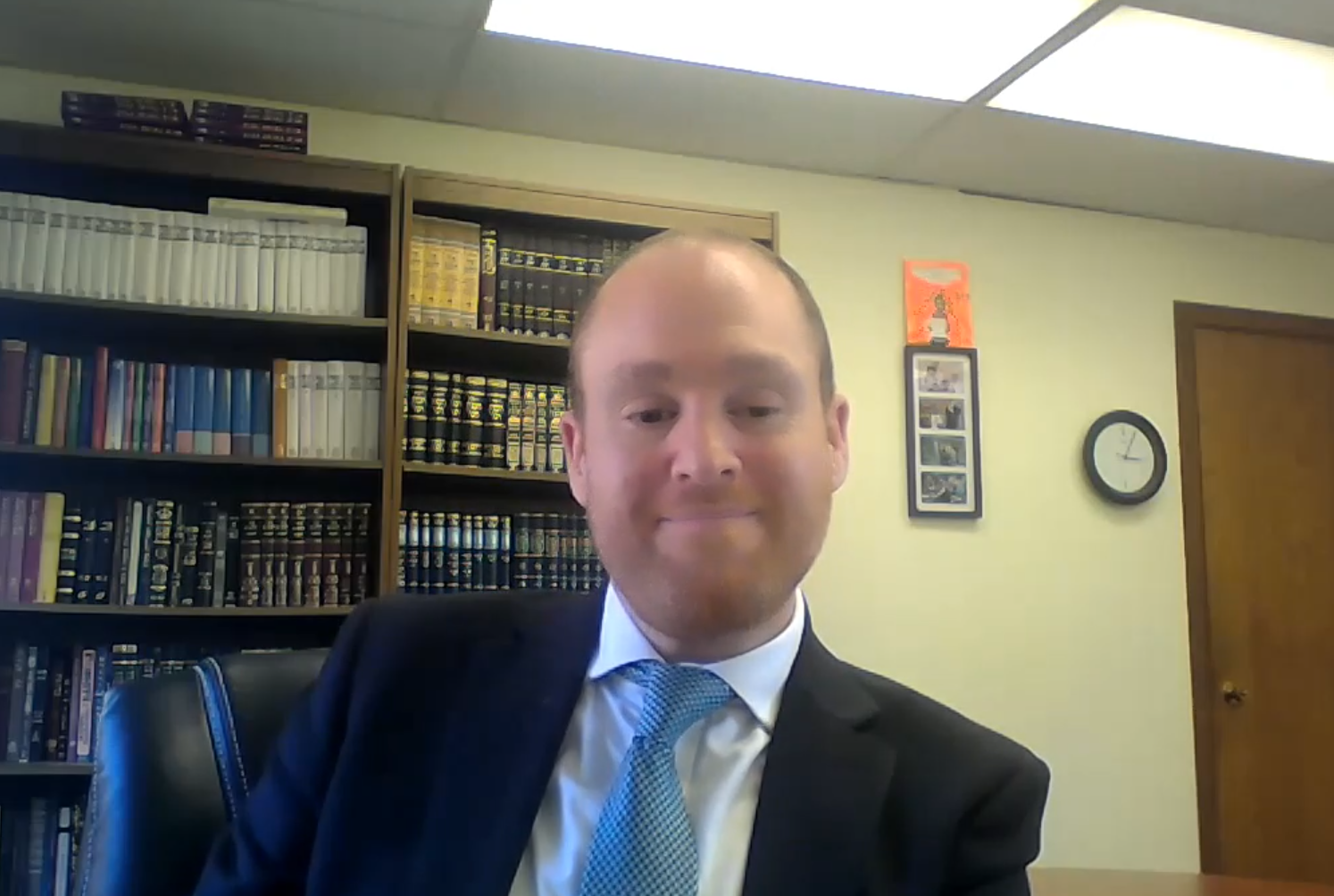
Rabbi Benjamin Hassan
Rabbi Benjamin Hassan reflects on his role at the Sephardic Synagogue, highlighting his outreach to the community, his family's Sephardic and Ashkenazic heritage, and his efforts to connect members with their roots. He shares his journey from uncertainty about becoming a rabbi to his international rabbinic career, emphasizing the importance of community involvement, especially during the COVID pandemic, and his views on the future of Jewish life with a focus on Zionism. The interview concludes with gratitude from the interviewers, acknowledging his impact in Seattle and his upcoming move to Israel.
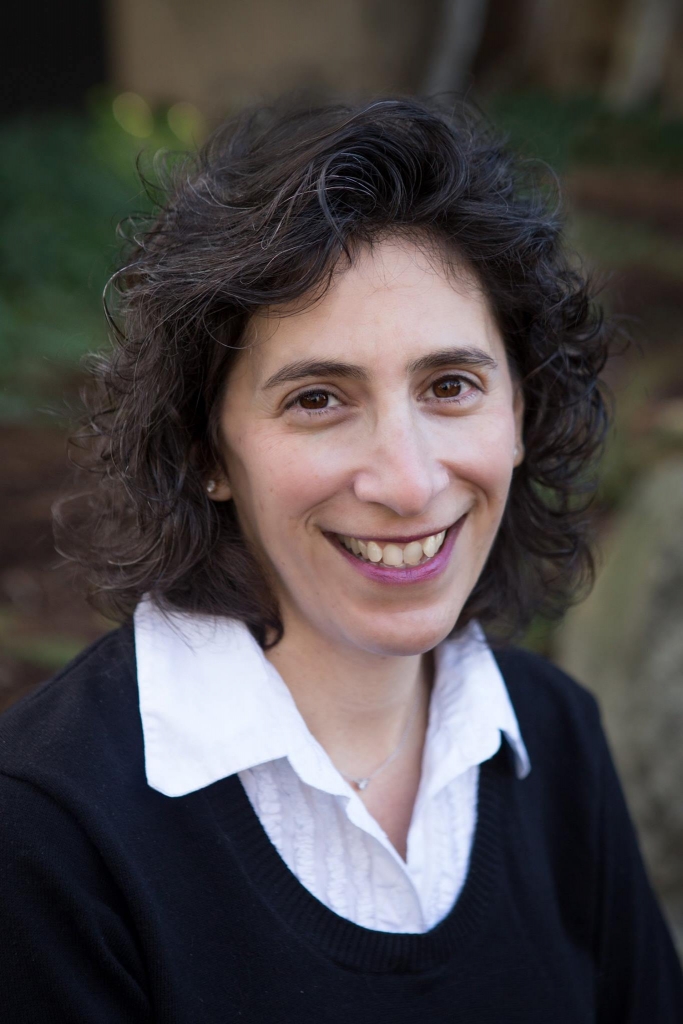
Amee Sherer
Amee Sherer, director of Hillel at the University of Washington, explores her background, career, and leadership in fostering Jewish life and inclusion amid challenges like antisemitism. She discusses strategic initiatives, community engagement, and the importance of creating a safe environment for students. Amee emphasizes the ongoing need for personal connection and community support to strengthen Hillel’s impact and address students’ diverse needs.
CONTENT WARNING: This interview discusses themes of hate speech.
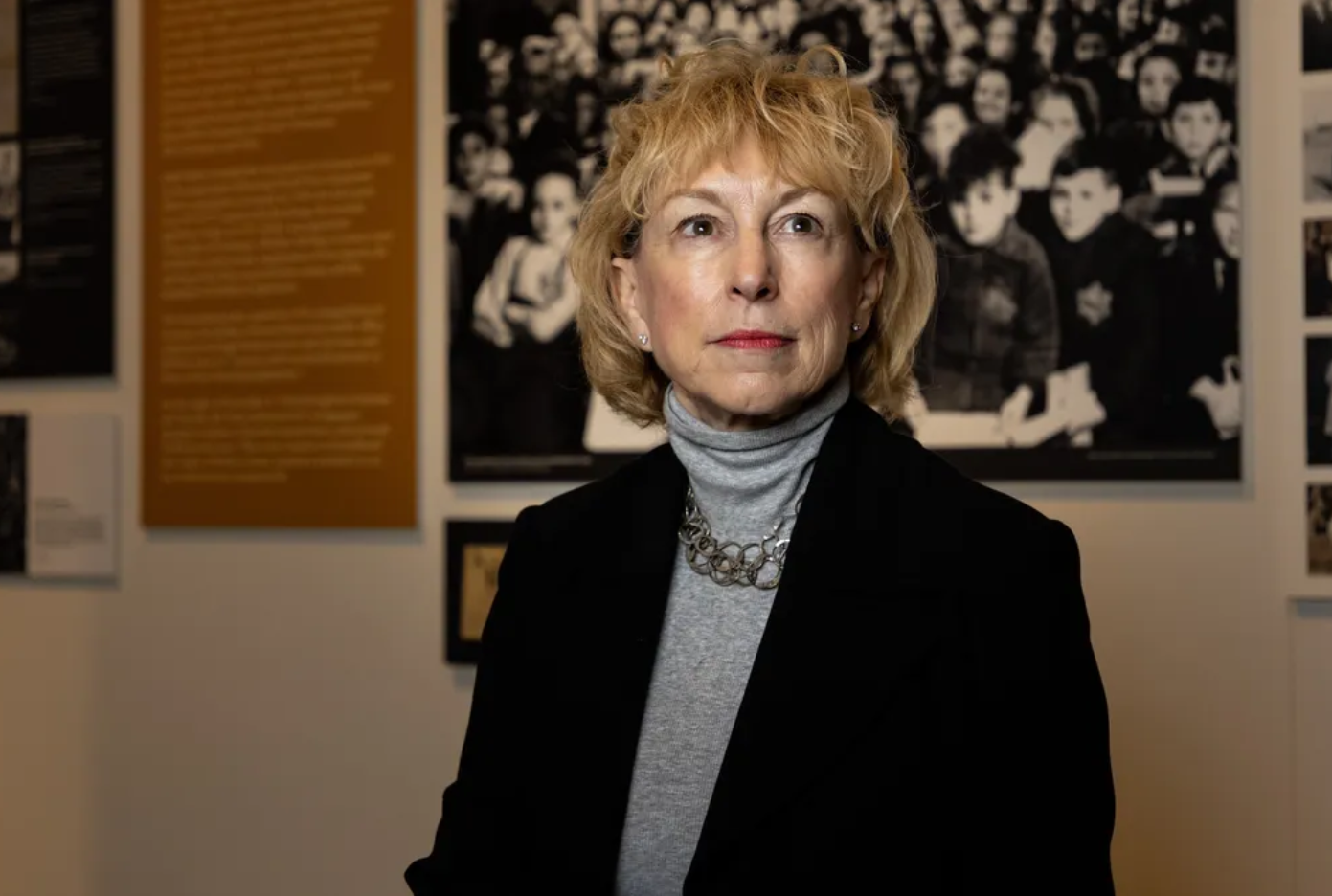
Dee Simon
Dee Simon, who was previously the executive director of Seattle’s Holocaust Center for Humanity, has dedicated her career to education, advocacy, and combating bigotry through the power of Holocaust testimony and inclusive programs. Her journey from growing up in desegregated schools in California to leading statewide Holocaust education initiatives in Washington reflects both personal conviction and visionary leadership.
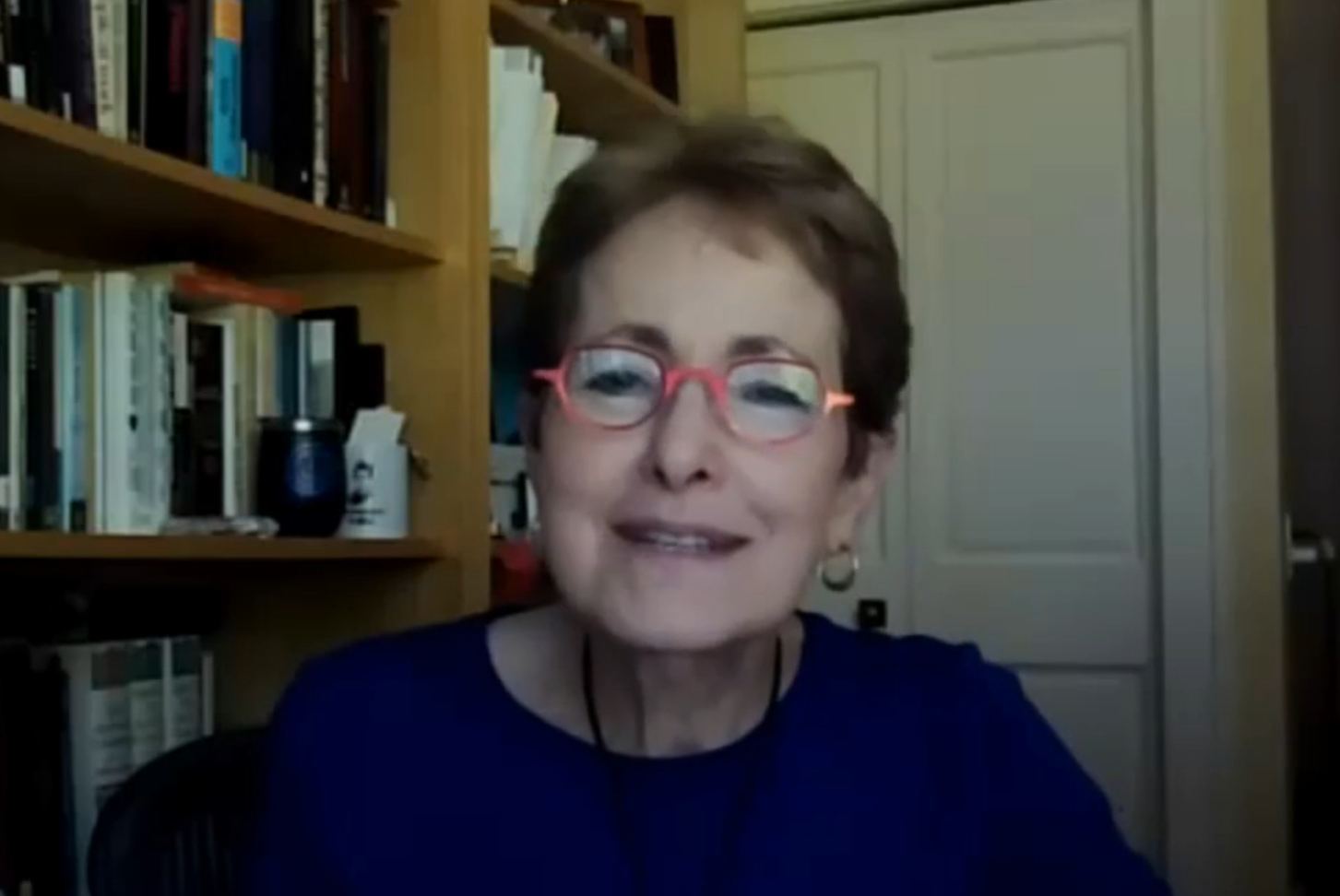
Nancy Greer
Nancy Greer, president and CEO of the Jewish Federation of Greater Seattle, shares her background, career progression, and her commitment to strengthening the Jewish community through various programs and initiatives. She discusses the impact of the 2006 shooting on security and organizational culture, as well as efforts to engage younger generations and respond to global crises. Greer also addresses sensitive issues such as diversity, antisemitism, and the organization's stance on Israel, emphasizing education and community consensus.
CONTENT WARNING: This interview discusses themes of racism, discrimination, death, and grief.

David Altaras
David Altaras reflects on his childhood in a religious Jewish immigrant community in early 1900s Seattle, highlighting his strict religious education, cultural and linguistic differences, and strong community bonds. He describes observing religious rituals, participating in synagogue life, and transitioning to broader social interactions, including the impacts of Japanese internment during the war. Ultimately, he attributes his success to determination and family values, expressing a wish to be remembered as a loving and honest person who cherishes family and well-being.
CONTENT WARNING: This interview discusses themes of death, grief, racism, and discrimination.
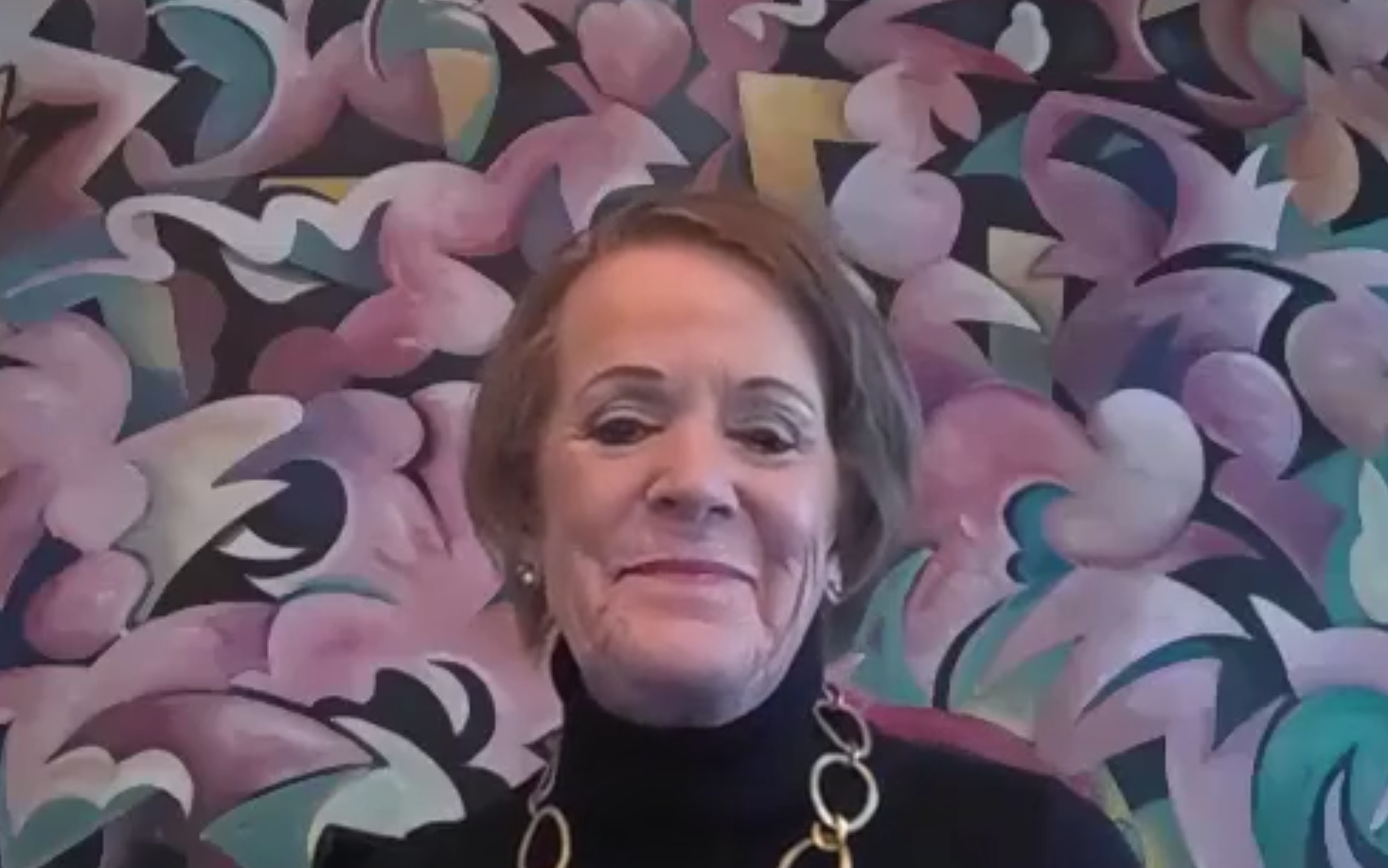
Iantha Sidell
Iantha Sidell shares her journey from an Episcopalian upbringing in Spokane to a deep commitment to Judaism, shaped by her marriage, conversion, and decades of leadership in organizations like Hadassah and the Jewish Federation. She reflects on her pride in founding the women’s division, her strong bond with Israel, and the ongoing challenge of inspiring younger generations to stay engaged in Jewish life.

Anne Levinson
Anne Levinson has made a significant impact on Seattle's public service sector through roles such as oversight auditor for police accountability, chair of the Washington Utilities and Transportation Commission, and social justice advocate. Her background, rooted in a reform Jewish community and shaped by mentors, influenced her lifelong commitment to equality, justice, and community service, culminating in notable efforts like saving the Seattle Storm, establishing mental health courts, and advocating for LGBTQ rights. She emphasizes coalition-building, her Jewish values, and work as a means to enact societal change, viewing her career as a reflection of her core principles and mission.

Martin (Marty) Brashem
Marty Brashem, born in Los Angeles and raised in Seattle, served in World War II before attending the University of Washington and starting a family. He worked in the scrap metal industry, became involved in Tacoma's Jewish community, and played a key role in merging its conservative and reform congregations to form Temple Beth El. Reflecting on a fulfilling life with his late wife and their children, he cherishes their memories, his family, and his ongoing connections with his grandchildren and great-grandchildren.
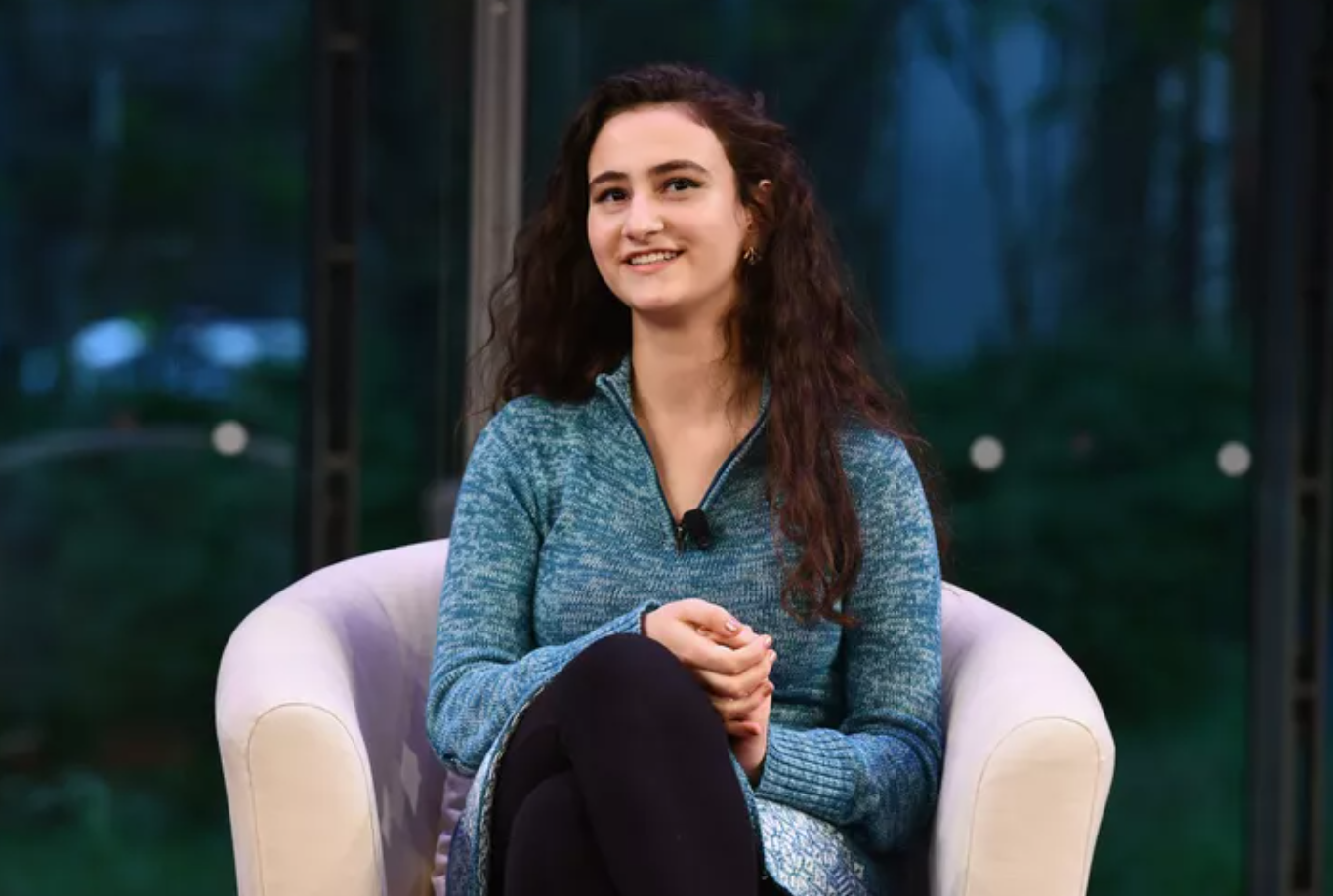
Jamie Margolin
Jamie Margolin is a climate justice activist whose work is deeply shaped by her intersecting identities as a Latina, Jewish, and lesbian woman. Drawing inspiration from indigenous resistance, Jewish values of critical thinking, and her upbringing in Seattle, she fights against environmental destruction, corporate greed, and climate injustice through activism and legal efforts. She also uses storytelling and art, including her upcoming animated project Pellaea, to amplify marginalized voices and inspire collective action for the planet.
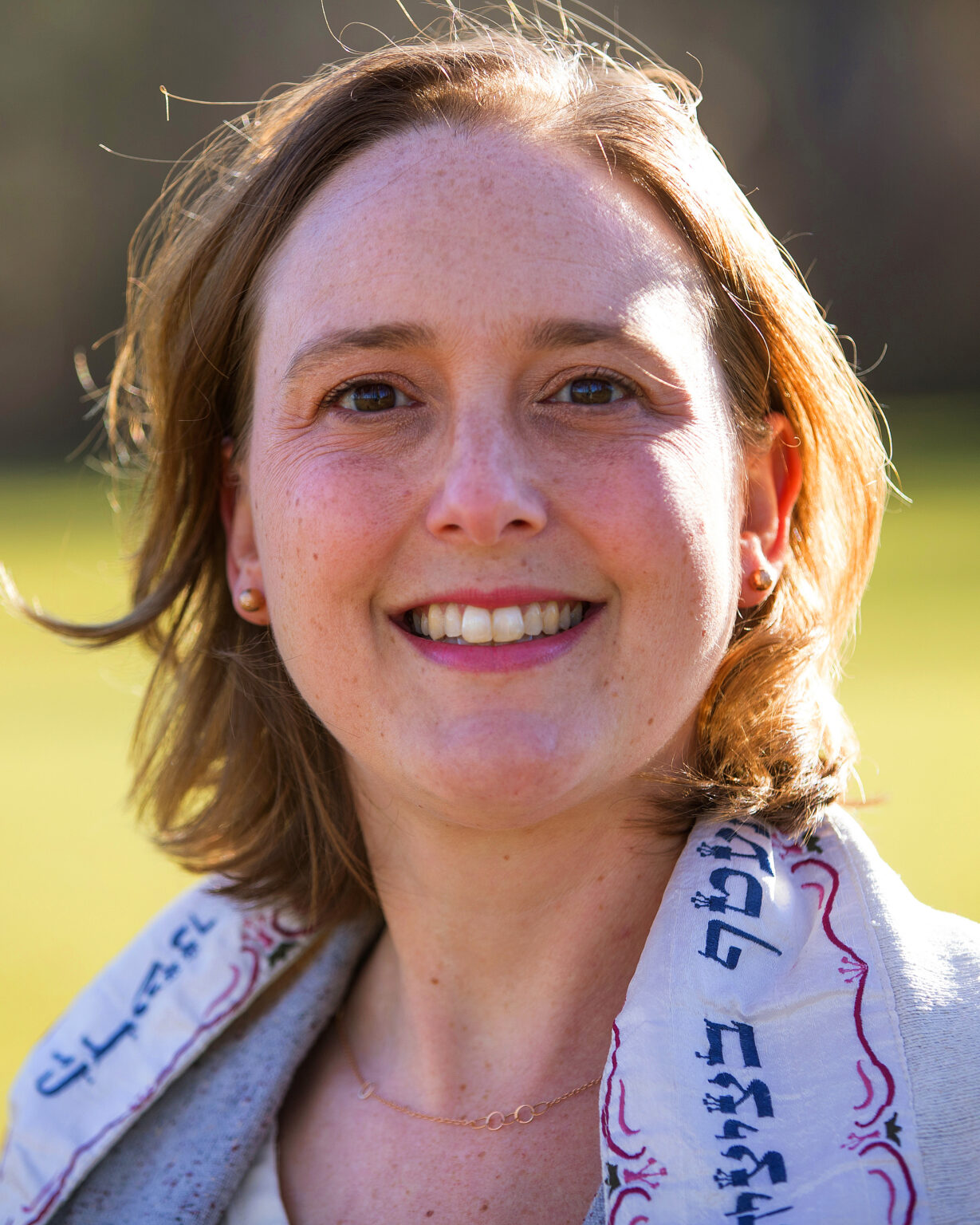
Rabbi Rachel Kort
Rabbi Rachel Kort discusses her congregation at Temple Beth Or in Everett, WA. She describes their Mitzvah Corps, community care through grief and mourning, addressing housing insecurity through Jewish Family Services, and other work from diversity, equity, and inclusion to addressing antisemitism.
CONTENT WARNING: This interview discusses themes of grief and mourning.

Rabbi David Fine
Rabbi David Fine discusses the history and growth of Temple Beth, emphasizing how community involvement and a do-it-yourself culture fostered a strong congregation and active participation. He highlights the spiritual and educational importance of Camp Kalsman, connecting nature with Jewish teachings, and reflects on his leadership's impact on the community's development. Rabbi Fine shares his hopes for the future of the Jewish community in Snohomish County, underscoring resilience and generational bonds.
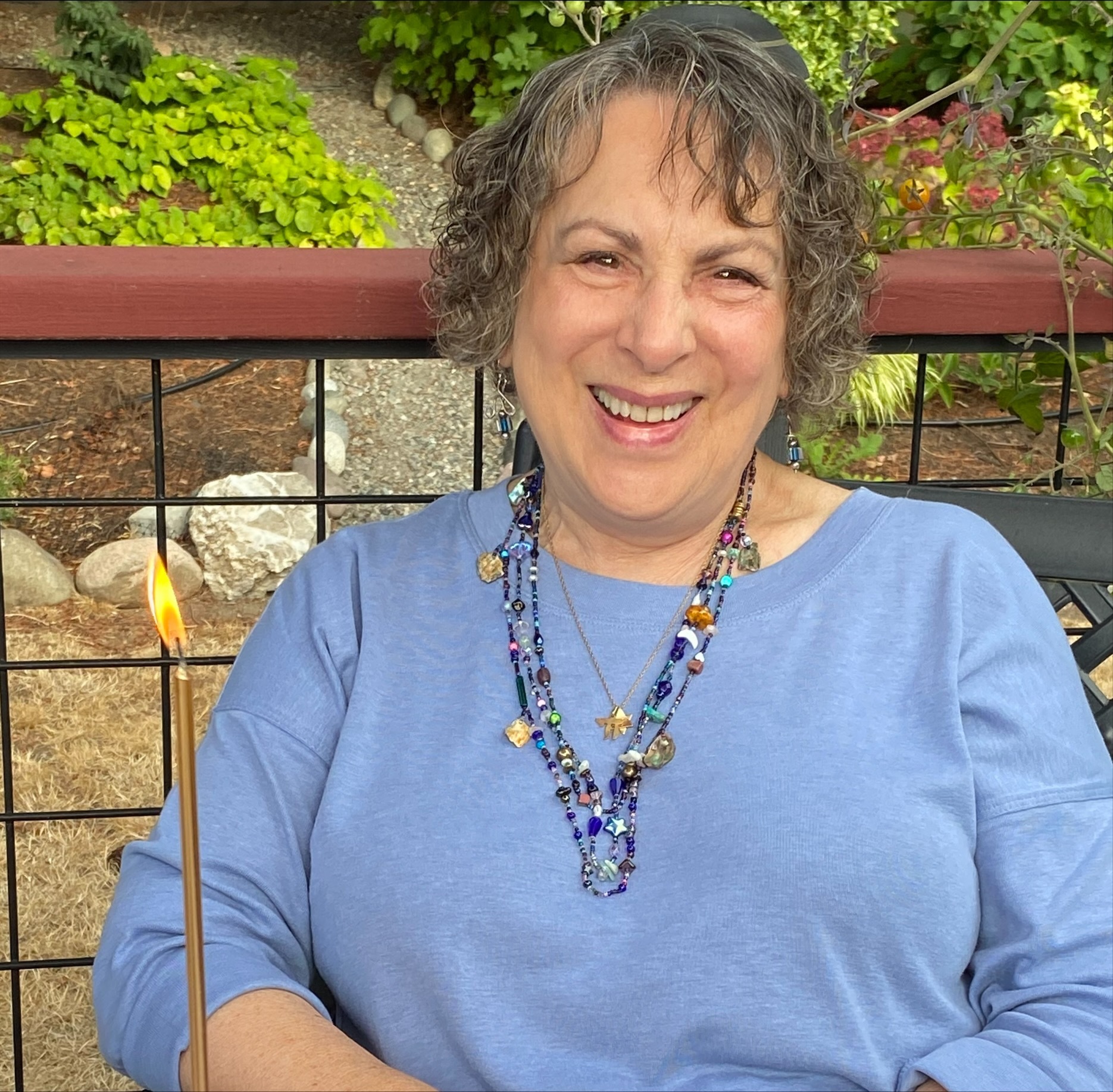
Harriet Markell
Harriet Markell discusses her life in Bellingham and her involvement, eventually as vice president, in Congregation Beth Israel. She describes the scene in Bellingham from poetry to politics, including stories about COVID-19 and political challenges within Congregation Beth Israel.

Andrea Shupack
Andrea Shupack reflects on the growth of Bellingham and its Jewish community, highlighting the expansion of the synagogue, evolving inclusivity, and meaningful events that strengthened communal bonds. She emphasizes the city’s beauty, the warmth of its people, and the community’s commitment to diversity, learning, and welcoming members of all backgrounds.
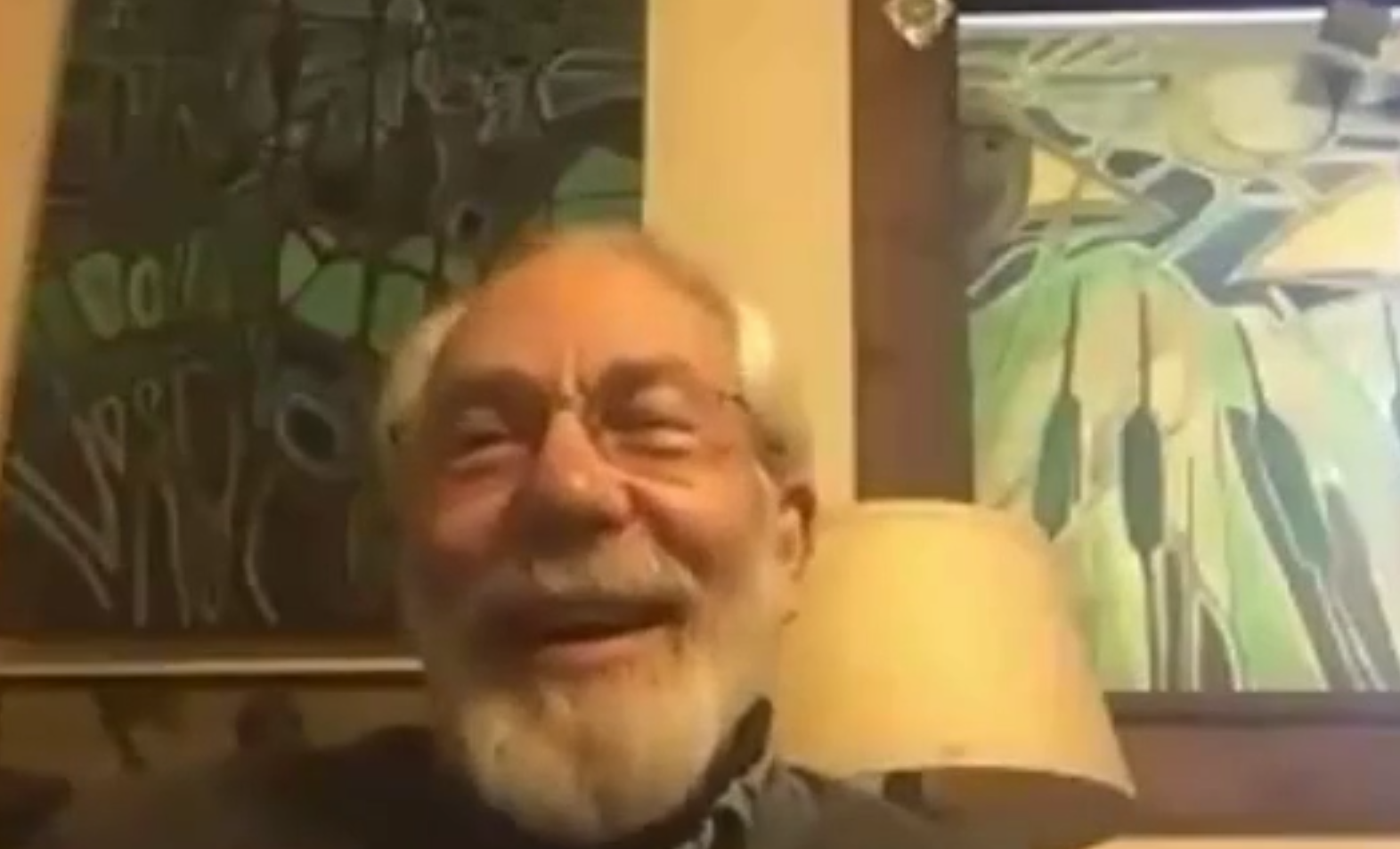
Paul Blum
Paul Blum reflects on the history of Congregation Beth Israel in Bellingham, Washington, tracing its roots to Jewish families from Lithuania and Germany who settled in the area at the turn of the twentieth century. As co-chair of the congregation’s COVID-19 Task Force and a registered nurse, he describes the efforts to develop safety protocols, transition services, and educational programs to virtual platforms, and adapt lifecycle events during the pandemic. Blum discusses the challenges faced by clergy, staff, and congregants as they navigated isolation, remote pastoral care, and the disruption of traditional communal practices while striving to maintain connection and engagement. Looking ahead, he highlights the congregation’s financial resilience, the success of hybrid programming, and the community’s commitment to balancing health, safety, and Jewish communal life in the future.
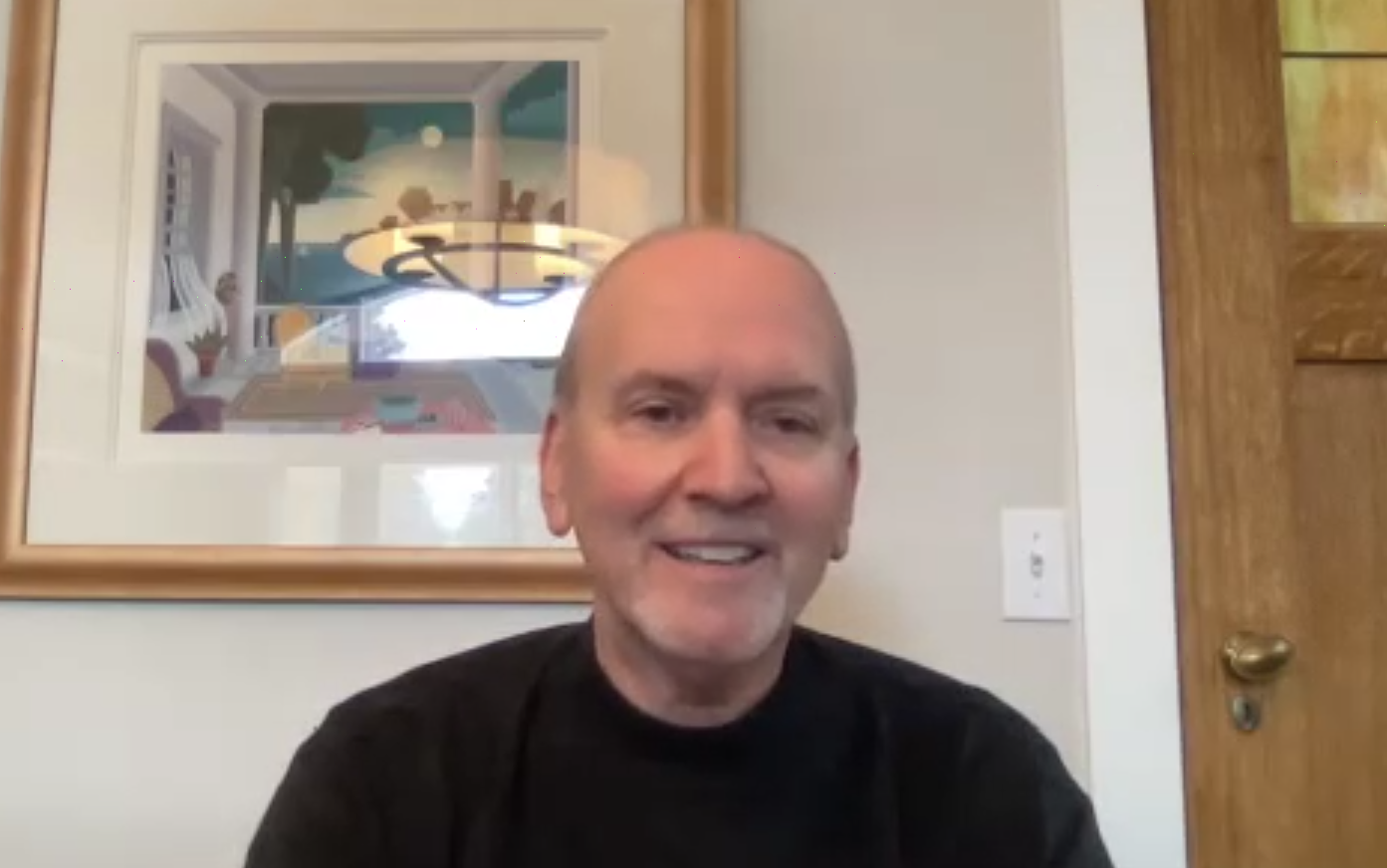
Mark Silver
Mark Silver recounts how his family immigrated from Romania and Ukraine in the early 1900s, with one side arriving through Ellis Island and settling in Spokane after sponsorship by relatives, while the Rockaway family first attempted farming in North Dakota before relocating due to difficult conditions. He reflects on Spokane’s transformation into a thriving medical, cultural, and business center and explains why he chose to remain there, citing its quality of life and opportunities to grow his own business. Silver describes his family’s longstanding involvement in Spokane’s Jewish community, highlighting the transition from farming to successful downtown businesses and the strong support networks that shaped his upbringing. Looking to the future, he expresses hope for renewed community engagement, greater unity among congregations, and continued participation in Jewish communal life and celebrations.
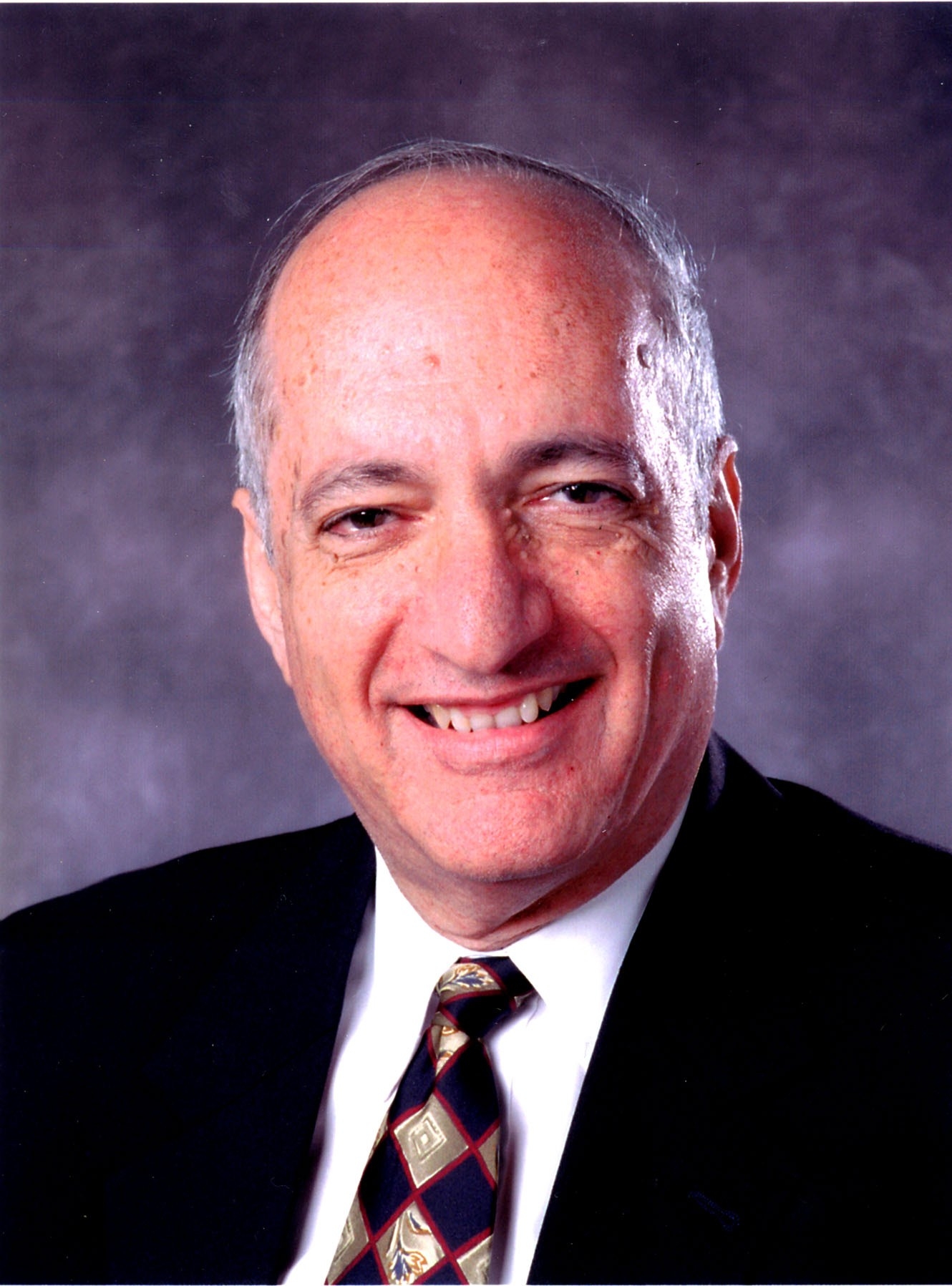
Rabbi Lennard Thal
Rabbi Thal, born in Bellingham in 1942, talks about his path from a small-town childhood to a career as a rabbi after studying at Princeton and Stanford. He shares memories of Bellingham’s Jewish community, how it changed over time, and the important role his family played in it. Even after retiring in 2008, he stayed connected and involved, showing his lasting commitment to the Reform Jewish community and his roots in Bellingham.
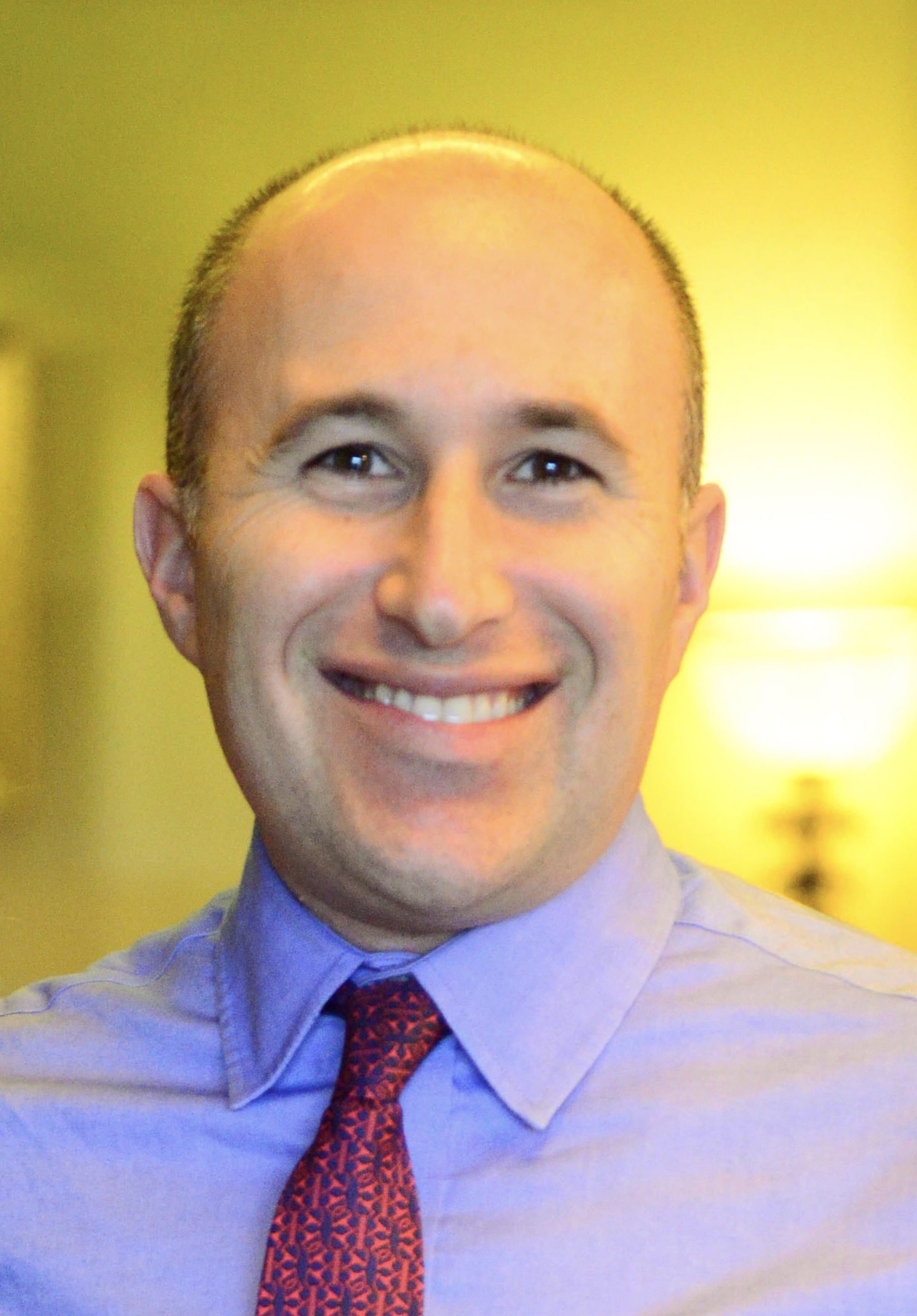
Rabbi Joshua Samuels
Rabbi Joshua Samuels reflects on his path to becoming the rabbi of Congregation Beth Israel in Bellingham, Washington, describing how he was drawn to the community and helped guide its growth and development. He discusses the opportunities and challenges of leading the region’s only synagogue, particularly in serving a congregation that encompasses a wide range of Jewish traditions and perspectives. A central theme of the interview is his effort to promote greater inclusivity, including advocating for a policy change that allowed him to officiate at interfaith marriages, which he views as an important step in strengthening community connections. Rabbi Samuels also reflects on the personal experiences that inspired his calling to the rabbinate and shares his hopes for rebuilding engagement and deepening communal bonds in the years following the COVID-19 pandemic.
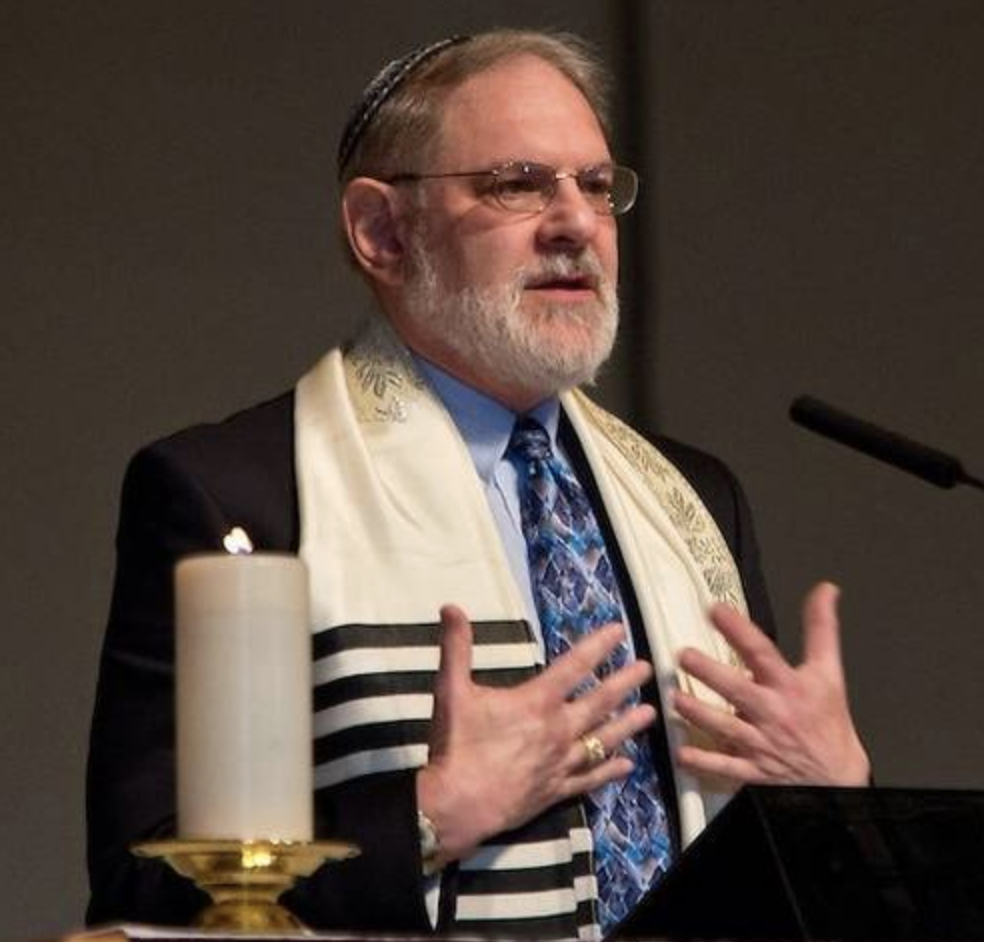
Rabbi Bruce Kadden
Rabbi Bruce Kadden reflects on his move to Tacoma in 2004 to lead Temple Beth El, drawn by the congregation’s unique history as a merger of Reform and Conservative synagogues and by the welcoming nature of the local community. He discusses his appreciation for Tacoma’s unpretentious character, civic revitalization efforts, and commitment to addressing community challenges through progressive leadership. Kadden highlights the congregation’s diversity and inclusivity, particularly its openness to interfaith families and LGBTQ+ Jews, as well as its balance of traditional and Reform practices. He also describes key accomplishments during his rabbinate, including expanding musical programming, strengthening family engagement, and helping establish the Brotman Early Learning Center to support the congregation’s long-term vitality.

Daniel Raas
Daniel Raas reflects on his personal and family history, tracing his journey from Portland and San Francisco to a long career in Bellingham, where he worked with the Lummi Nation for nearly four decades. He discusses his Jewish education and deep involvement with Congregation Beth Israel, describing the synagogue’s evolution, leadership, and role in fostering Jewish life in the region. Raas also explores Bellingham’s social history, including its past exclusionary practices, and highlights efforts by local Jewish leaders to build positive relationships and civic engagement within the broader community. Throughout the interview, he reflects on synagogue debates, community divisions, and the ongoing challenge of balancing diverse religious perspectives while maintaining a strong and inclusive congregation.
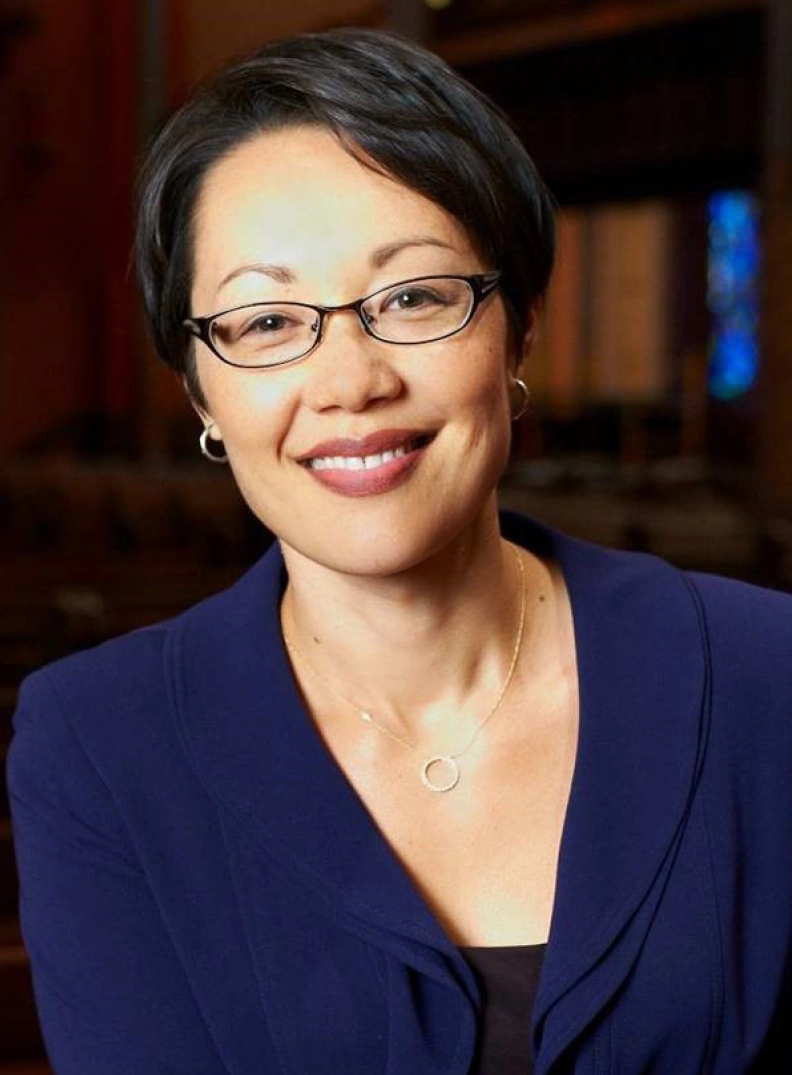
Rabbi Angela Warnick Buchdahl
Rabbi Angela Warnick Buchdahl reflects on her journey from growing up in Tacoma as a Korean-born Jewish child to becoming the senior rabbi of Central Synagogue in Manhattan. She discusses the challenges and opportunities of navigating identity within the Jewish community, describing how her mixed heritage, Jewish upbringing, and formative experiences, including a trip to Israel, influenced her decision to pursue the rabbinate. Buchdahl also examines how the COVID-19 pandemic transformed congregational life, highlighting her synagogue’s extensive virtual programming and innovative outreach efforts that strengthened connections with both local and global audiences. Finally, she reflects on the evolving nature of the Jewish community, the importance of inclusivity and empathy, and her work on a memoir exploring identity, belonging, and leadership.

Paula Podemski
Paula Podemski reflects on her nearly three-decade career at the Seattle Opera, where she advanced from production assistant to company manager and helped support the collaborative work behind major productions. She discusses the profound impact of the COVID-19 pandemic on the organization, including canceled performances, staff furloughs, and the development of innovative safety measures that allowed rehearsals and streamed productions to continue. Podemski also shares her personal experiences during the pandemic, highlighting the adaptability and resilience required to navigate professional uncertainty and maintain audience engagement. In addition, she explores her family’s history as Holocaust survivors, her evolving Jewish identity, and her involvement in Seattle’s Jewish community and the Washington State Jewish Historical Society.
Roby Blecker
Roby Blecker shares his background as someone born into a Jewish family who experienced a period of alienation from his faith during college, reconnecting later through a close friend. He describes his life in Bellingham, highlighting his active role in the community, including interfaith efforts, his work as an author, and his marriage to a non-Jewish partner who converted to Judaism. Blecker emphasizes the inclusive and evolving nature of his synagogue, the importance of interfaith understanding, and the community's growth and support for diversity.
CONTENT WARNING: This interview discusses themes of death and mourning.
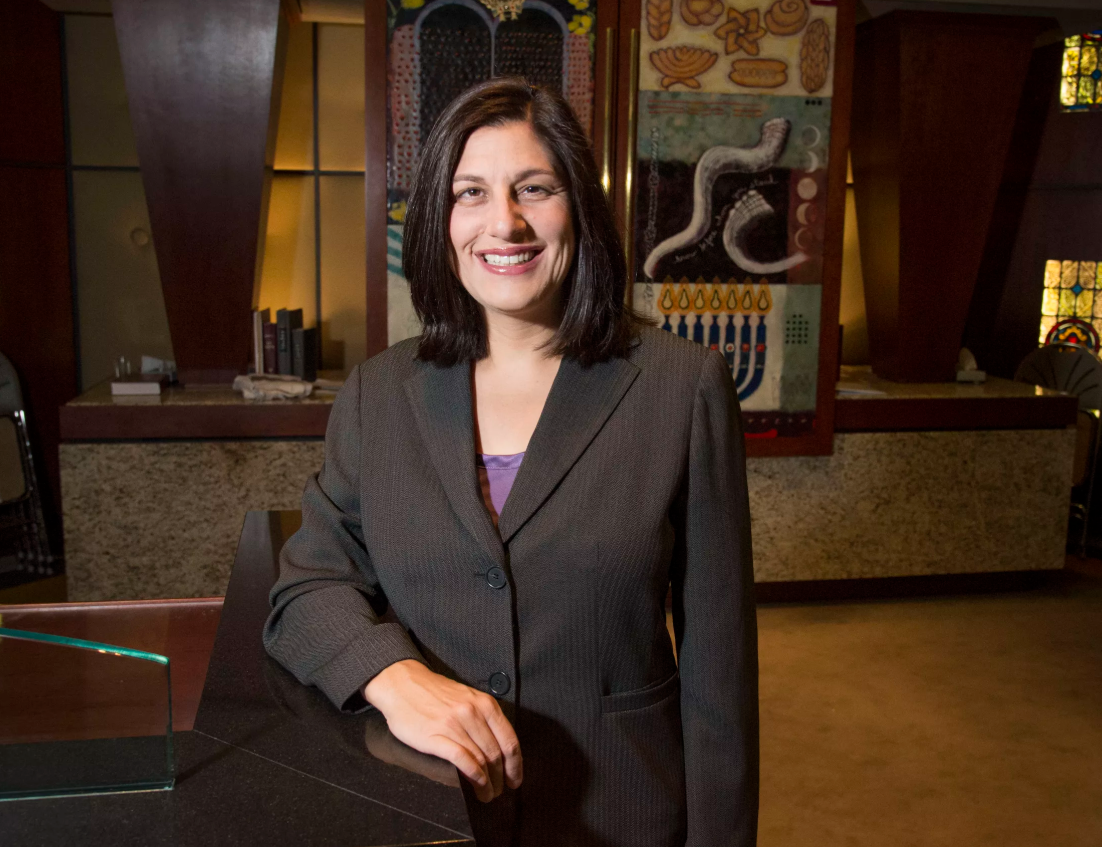
Rabbi Tamar Malino
This interview aimed to document the impact of the COVID-19 pandemic on Jewish congregations and synagogues in Washington. Rabbi Malino represents Temple Beth Shalom and Congregation Emanu-El in Spokane, which are collaborative reform and conservative synagogues. Rabbi Malino discusses her role over time and describes the impacts of COVID-19.
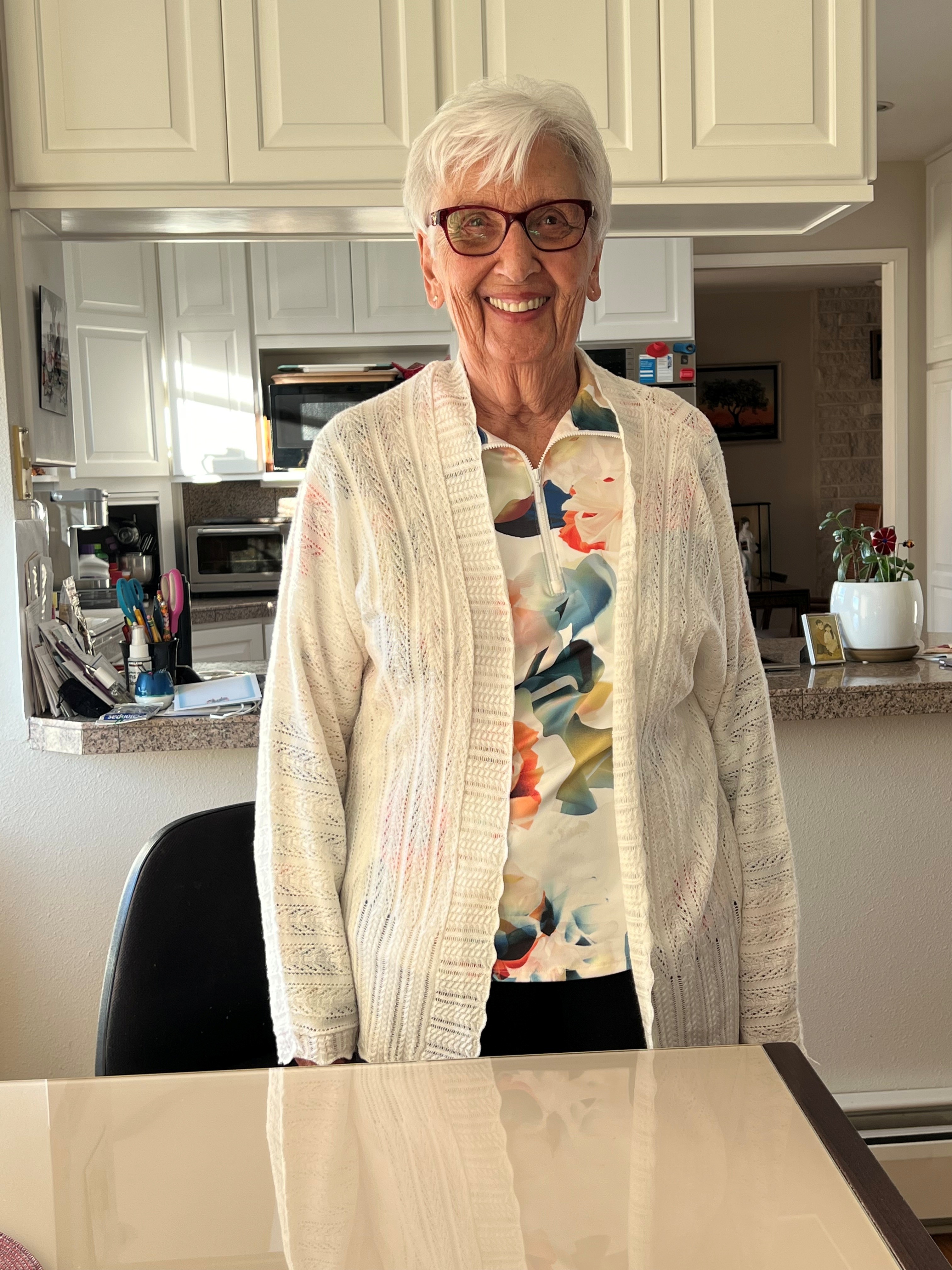
Dianne Arensberg
Dianne Arensberg shares her childhood in Tacoma, Washington, her involvement in the small Jewish community, and her family's business in plumbing. She recounts her educational choices, work experiences, and family history, including challenges like maintaining a kosher diet and the impact of a local earthquake. Dianne also talks about her fond memories of summers in Seaside, Oregon, her experiences growing up Jewish in Tacoma without a neighborhood, and the changes in the local Jewish community over the years.
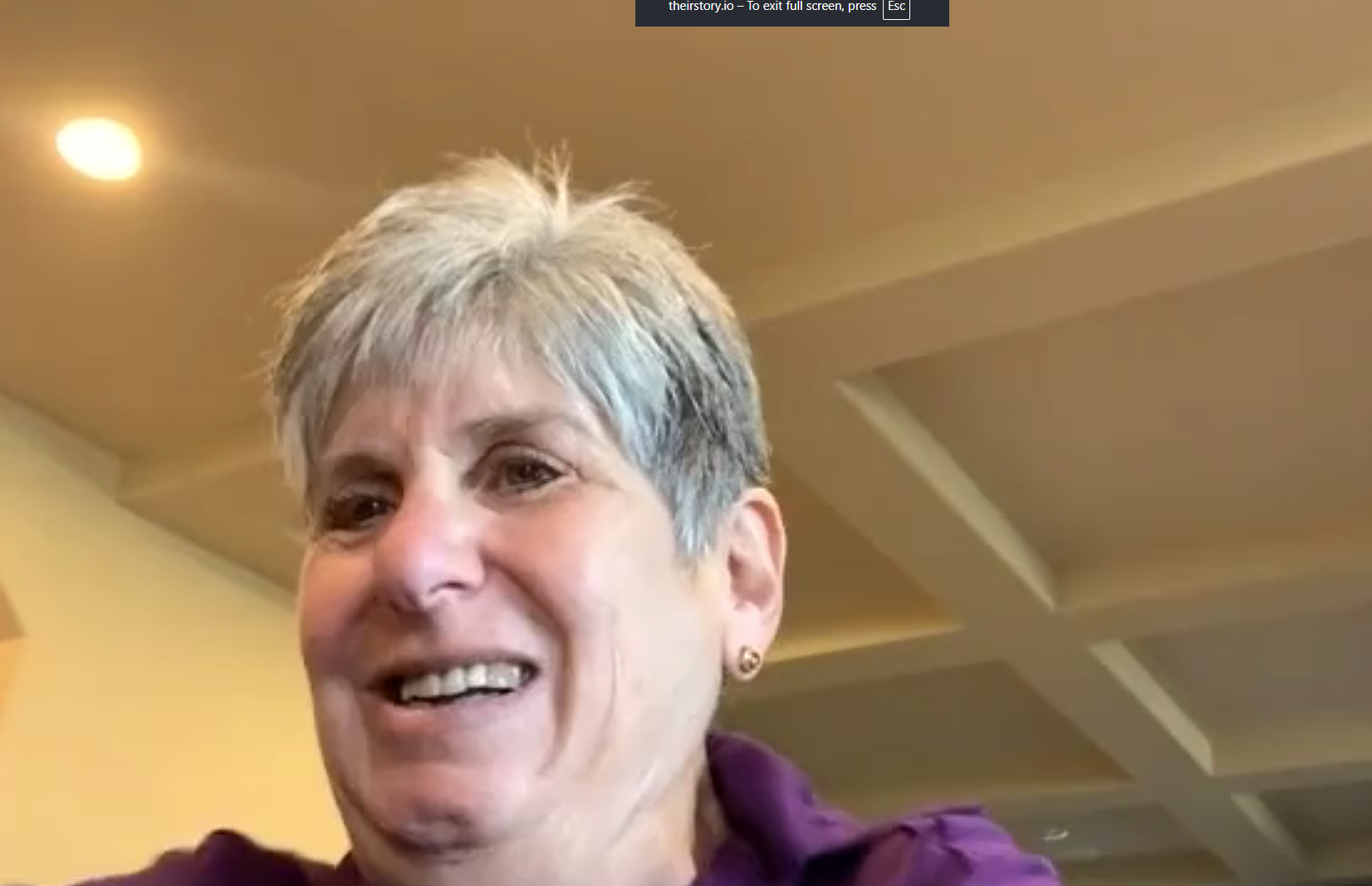
Deborah Calderon
Deborah Calderon reflects on her childhood in Tacoma, where her mother’s illness led her to spend much of her early years at the temple, which became both a playground and a central place of comfort and community. She describes her father’s role as a rabbi and how his dedication shaped their family life, offering both deep involvement in congregational responsibilities and meaningful personal support. Calderon also discusses the complexities of growing up as a rabbi’s daughter, including public scrutiny, community expectations, and navigating occasional prejudice as a Jewish girl in a predominantly non-Jewish environment. She concludes by reflecting on her family’s diverse background and expressing hope that future generations in Tacoma will experience strong, supportive rabbinic leadership and close-knit community ties.
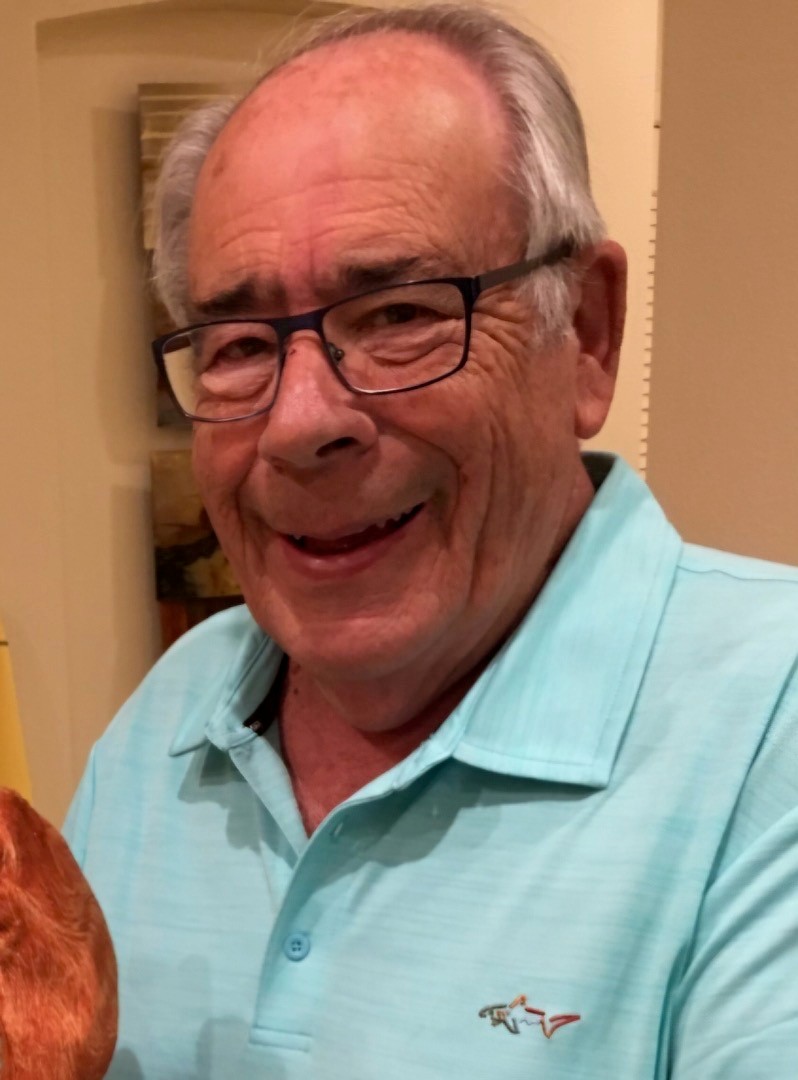
Richard Arensberg
Richard Arensberg, with the support of his cousin Mel Freeman, shares about his family's migration from Latvia to Bellingham, and his childhood in the tight-knit Jewish community on Capitol Hill. He discusses the family shoe business, and reflects on the importance of kindness and respect.
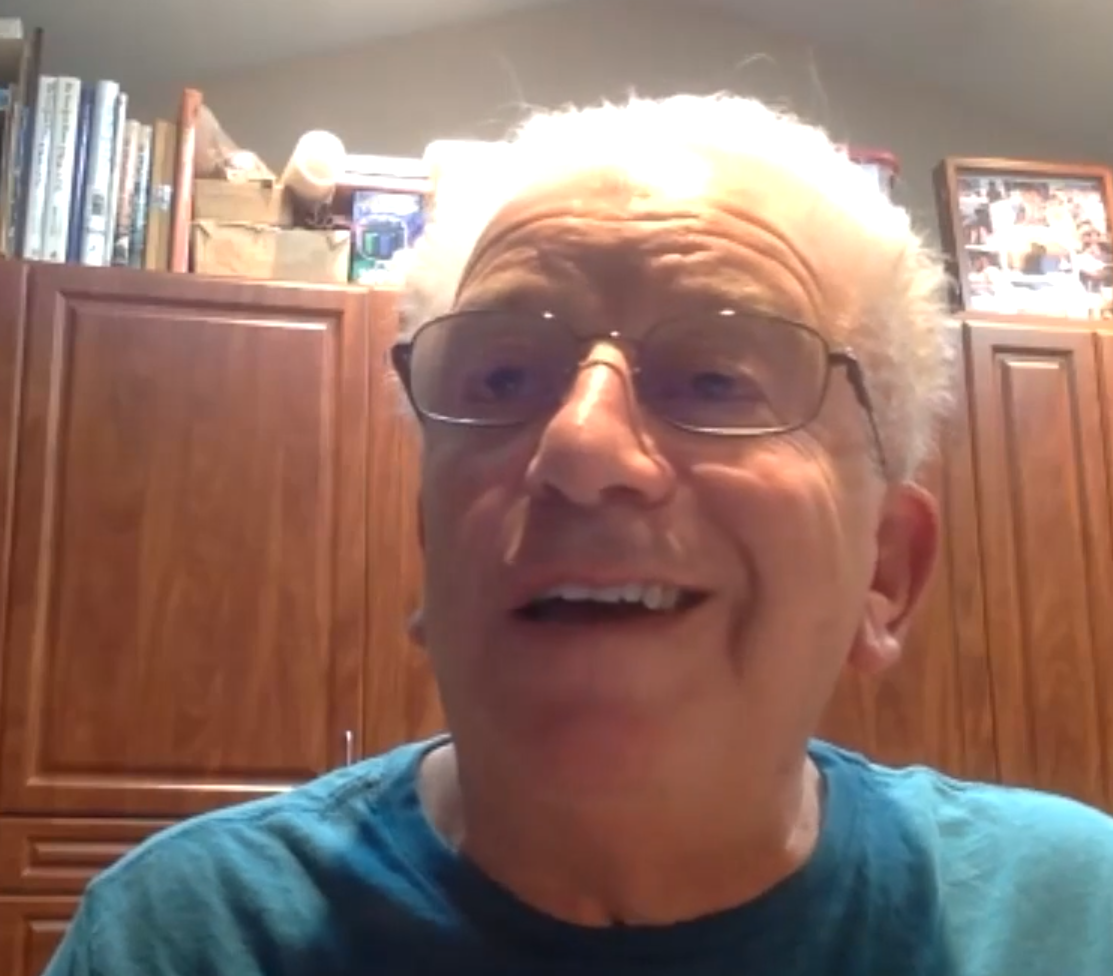
Rodney Waldbaum
Rodney Waldbaum, who grew up in Seattle’s Capitol Hill neighborhood, built a strong academic foundation at Garfield High School and the University of Washington. He excelled as a student leader and later studied accounting, which set him on a path toward a distinguished professional career. His story also includes military service during the Vietnam era and a long tenure in tax law, including work with the IRS and a local law firm, alongside deep involvement in Jewish community organizations and leadership roles. Throughout his story, he emphasizes the importance of family, especially his marriage and children, as well as personal interests like travel, bridge, and genealogy that shaped his fuller life experience.
Julie Briskman
Julie Briskman is an actor and producer living in Seattle, WA at the time of this interview. She discusses her experiences of the COVID-19 pandemic, the George Floyd Uprising, and her work organizing the Seagull Project company. Julie Briskman discusses her Jewish identity in relationship to acting, and discusses her future aspirations.
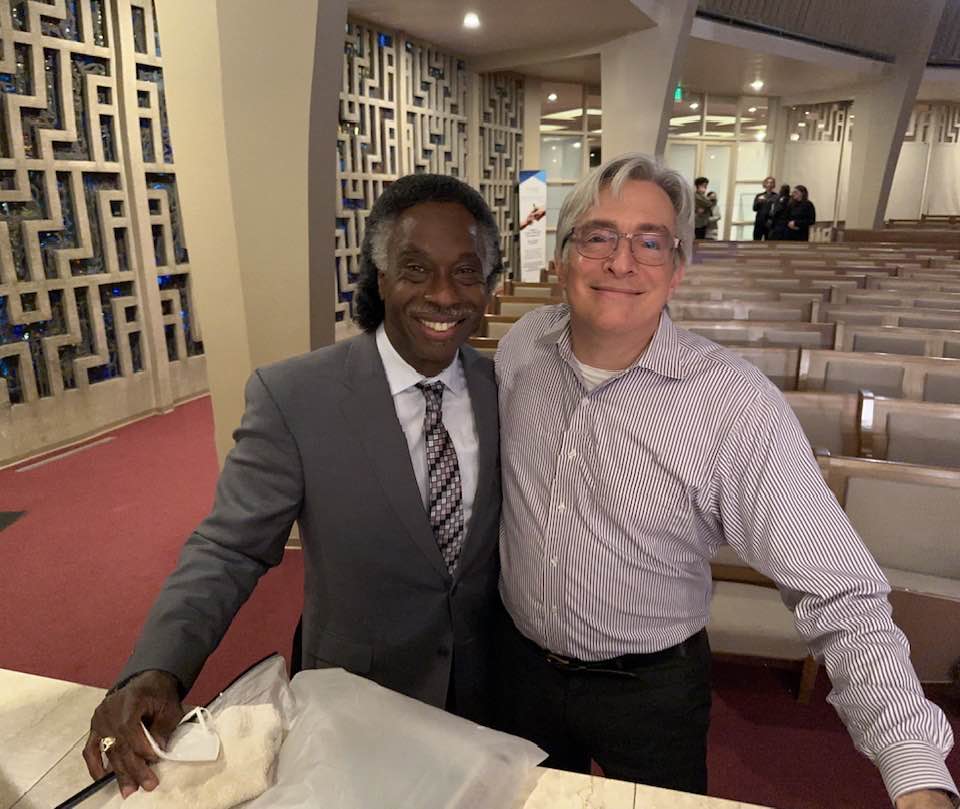
Rabbi Daniel Weiner and Pastor Carey Anderson
Rabbi Daniel Weiner and Pastor Carey Anderson reflect on their interfaith collaboration through shared services and community engagement, including a special Martin Luther King weekend service that emphasized solidarity and collective action. They discuss how the COVID-19 pandemic shifted their congregations to virtual platforms, expanding their reach while also presenting new challenges for maintaining connection and participation. The speakers address growing community divisiveness and misinformation, particularly around COVID-19, stressing the importance of respect, listening, safety protocols, and leadership by example. They also reflect on youth engagement in social justice and share cautious hopes for the political landscape, including expectations for greater justice and systemic change.
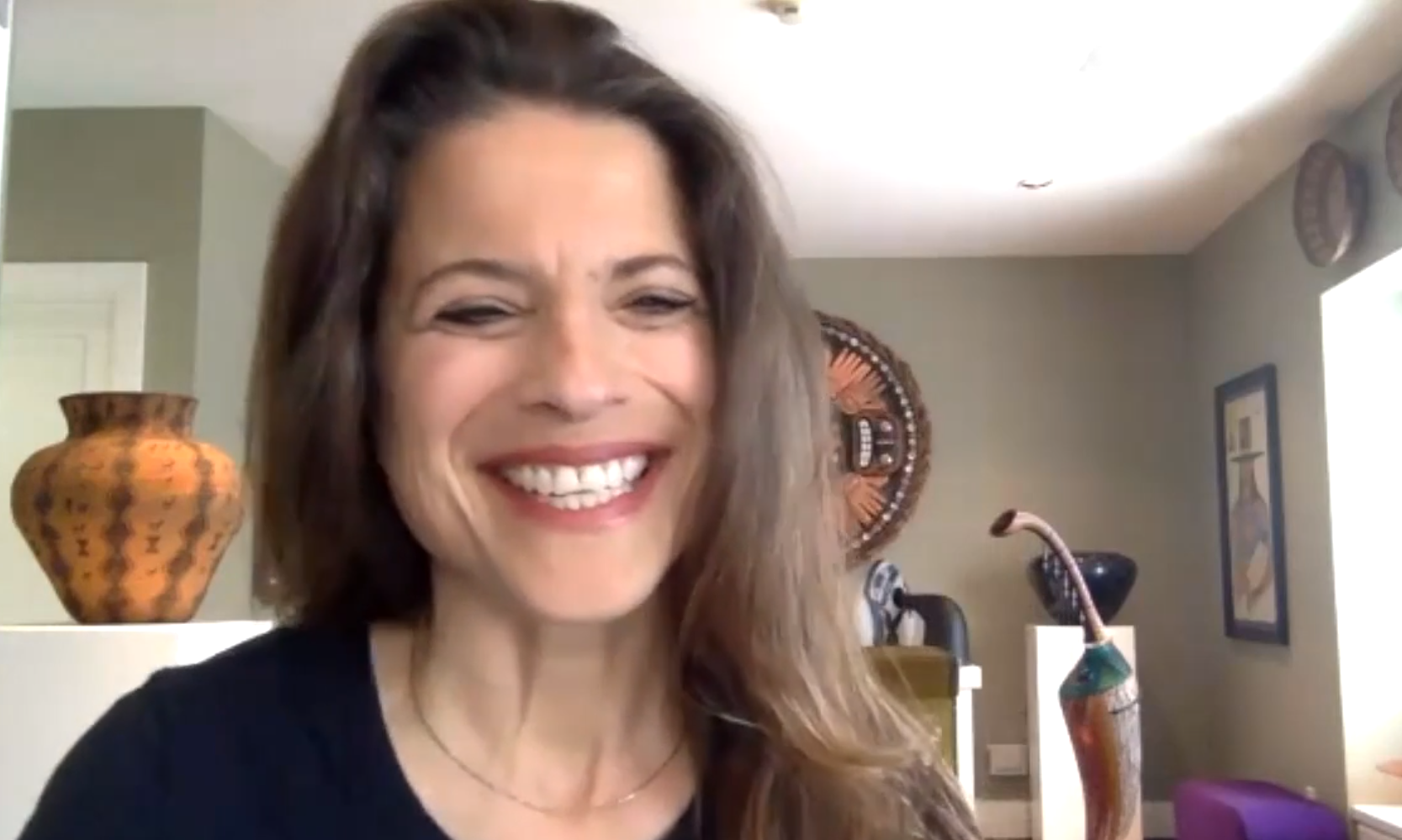
Leslie Ray Bernstein
Leslie Ray Bernstein reflects on her upbringing in Seattle and how her Jewish identity and relationship to Judaism evolved over time, including a formative trip to Israel at age 16. She describes her career in the textile industry and how it connected her to influential networks that eventually led her into deeper involvement with the arts and community organizations. Bernstein discusses her leadership and board work with theater institutions, including Act Theater, as well as her participation in national anti-racism efforts to promote greater equity and accountability in the performing arts. She also reflects on major life transitions—from a period of travel and change in early adulthood to returning to Seattle later in life—alongside her experiences navigating COVID-19’s impact on the arts and her ongoing sense of reflection and renewal.
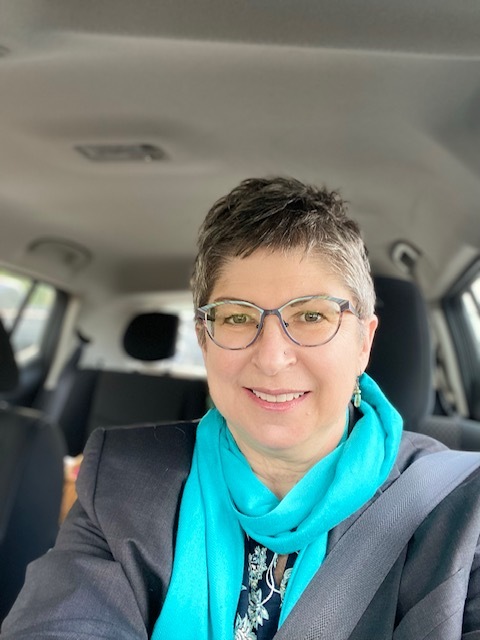
Miriam Schwartz
Miriam Schwartz is a family practice doctor based in Bellingham. She is a member of Congregation Beth Israel and served as the President of its Board of Directors. This interview discusses her experience during COVID-19, the construction of a new facilities for the congregation and the uniqueness of Bellingham's Jewish community.
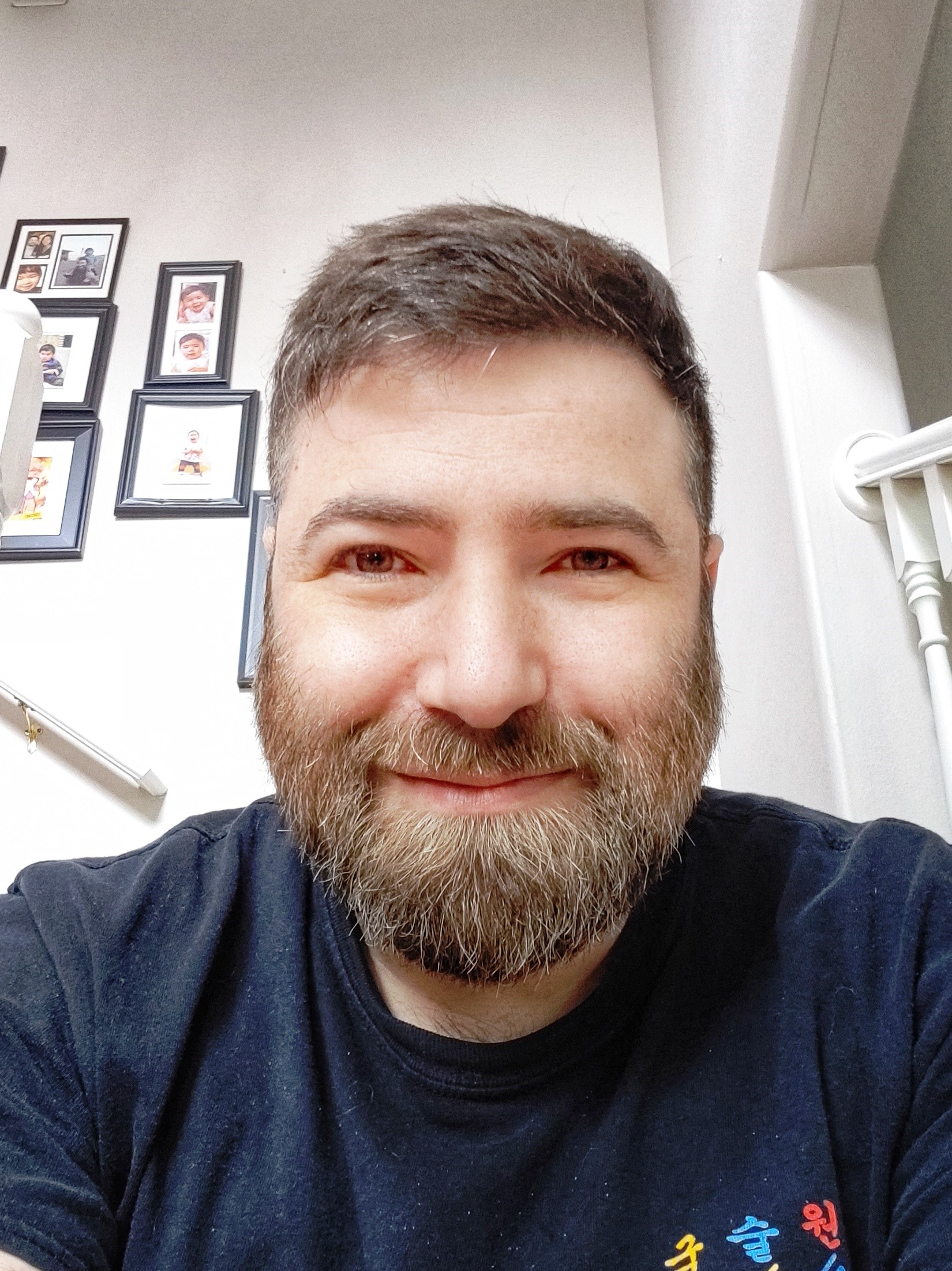
Kevin Donner
Kevin Donner, originally from Vancouver, Canada, moved with his family through Australia and several U.S. cities before settling in Bellingham, where he became actively involved in the local Jewish community to help his children connect with their heritage. He highlights the community’s growth, inclusivity, and welcoming atmosphere—especially for interfaith and LGBTQ families—and expresses optimism about its continued expansion and diversity.
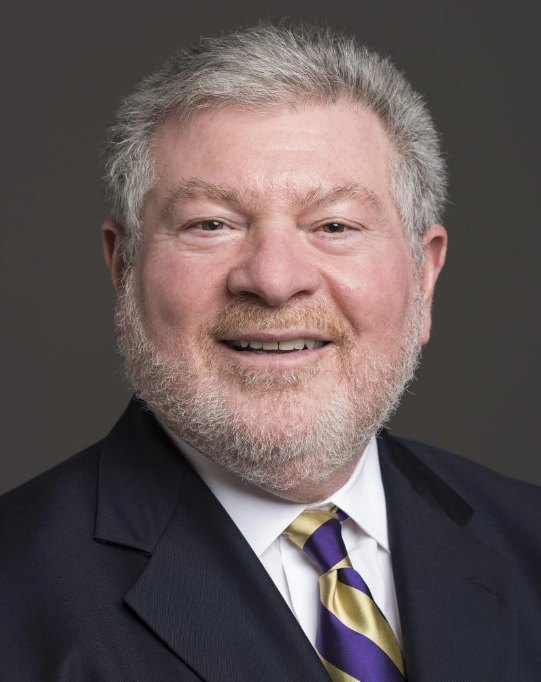
Joel Benoliel
Joel Benoliel, a first-generation American from a Sephardic Jewish family, grew up in Seattle surrounded by a tight-knit community that shaped his cultural and religious identity. He pursued law and political science at the University of Washington, co-founded the Sephardic Traditions Foundation, and played a key role in establishing the university’s Sephardic studies program. His professional journey—from law to real estate to executive leadership at Costco—culminated in his appointment to the UW Board of Regents, where he championed Jewish and Sephardic academic initiatives.
Betsy Schneier
Betsy Schneider discusses her role in founding the Washington State Jewish Historical Society, highlighting her family's curiosity about Jewish communities and the historical dynamics between Sephardic and Ashkenazi Jews in Seattle. She shares her experiences as president, including efforts to increase awareness through multimedia exhibits and advancing technology, as well as her vision for preserving digital and oral archives. Reflecting on her personal background and current challenges like the pandemic, Betsy emphasizes the society's community focus, volunteer contributions, and the importance of integrating newer Jewish communities.
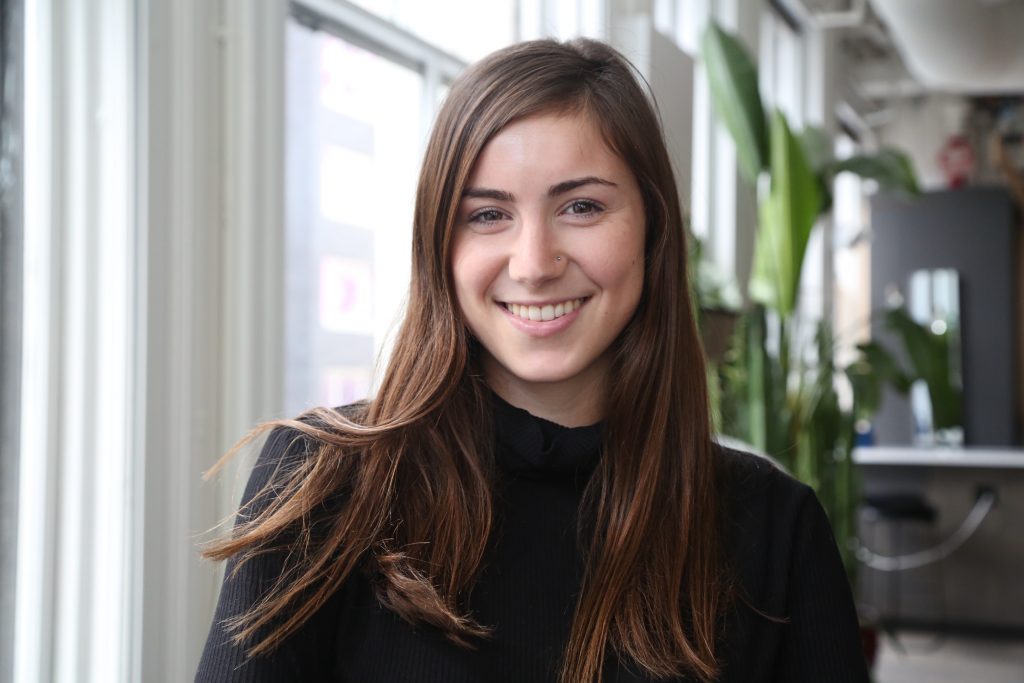
Jessica Markowitz
Jessica was just 11 years old when, in 2006, she founded Richard’s Rwanda, inspired by Richard Kananga, a representative from the National Unity and Reconciliation Commission in Rwanda who stayed with Jessica’s family in Seattle in 2006. In addition to the history of the 1994 Genocide against the Tutsi in Rwanda, Richard told sixth-grader Jessica about the difficulties Rwandan girls her age had staying in school, and Jessica was moved to create a non-profit that has gone on to fund scholarships for more than 85 girls in the East African country. As of 2017, the organization has started focusing on a metalsmithing vocational program to help young women find sustainable employment. Now an NYU 2018 graduate, Jessica is spending the next year as a JDC Entwine Global Jewish Service Corps fellow in Budapest, Hungary, where she'll be working with the local Jewish community acting as an advisor to the BBYO Hungary chapter and working in the local JCC.
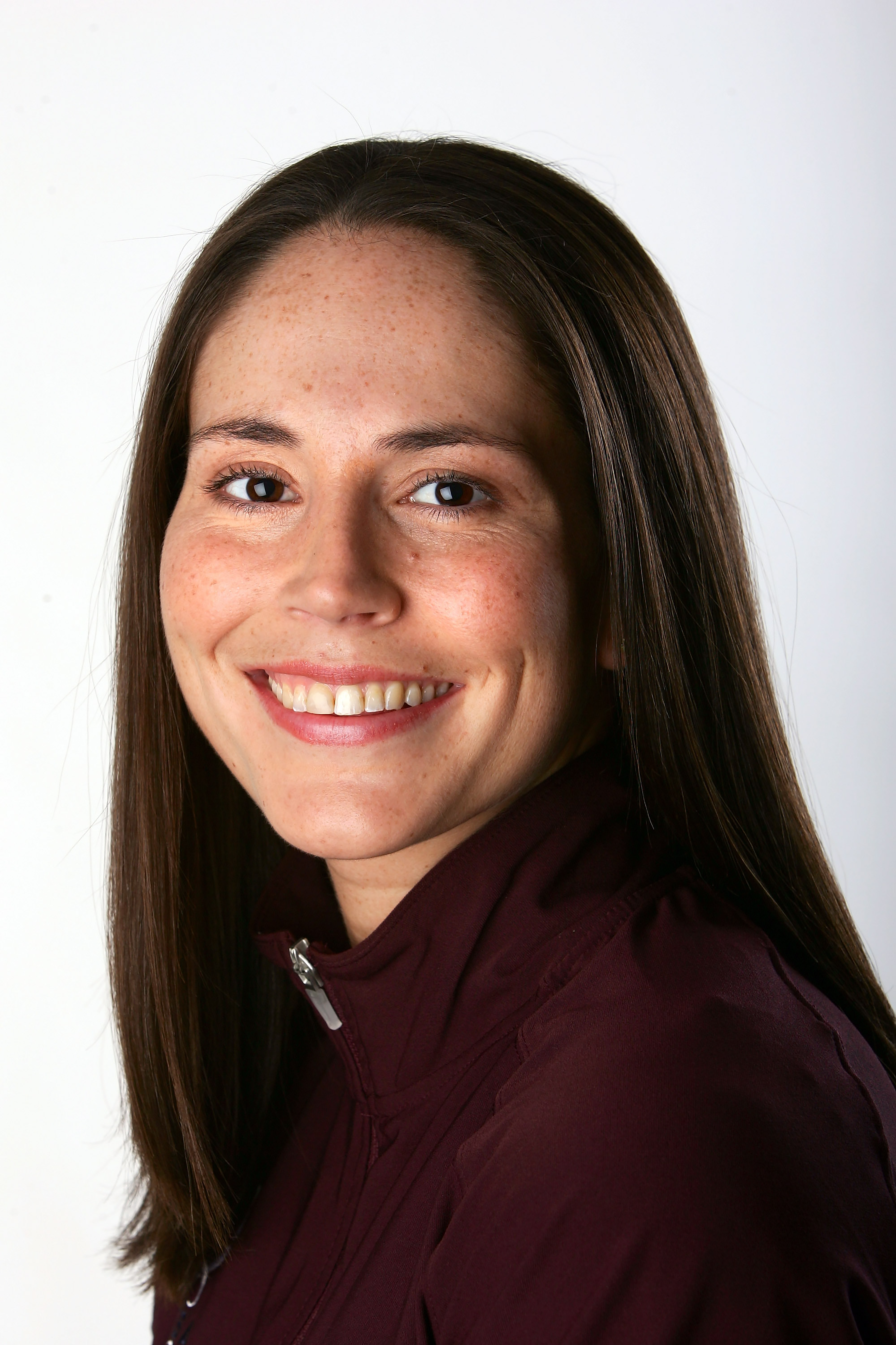
Sue Bird
One of the greatest basketball players of all time, Sue Bird has won two NCAA championships at the University of Connecticut; four Olympic Gold Medals with Team USA; and three WNBA titles with the Seattle Storm. At age 37, she’s still at it: the oldest player in the WNBA and the league’s all-time assists leader, she led the Storm to victory in the 2018 WNBA Finals despite breaking her nose for the fifth time earlier in the playoffs. Born in Syosset, New York, Sue actually has dual American and Israeli citizenship, thanks to her father, Herschel, an Italian-born Russian Jew. Sue was a dynamic athlete from an early age, and after leading UConn to a 39-0 record her senior season, winning both the Wade Trophy and the Naismith Award as the College Player of the Year, she was chosen as the first overall pick in the 2002 WNBA draft by the Storm. The rest has been history, including her decision in 2017 to come out as gay, and her joint appearance with her girlfriend, soccer star Megan Rapinoe, on the cover of ESPN Magazine’s 2018 Body Issue.
Tana Senn
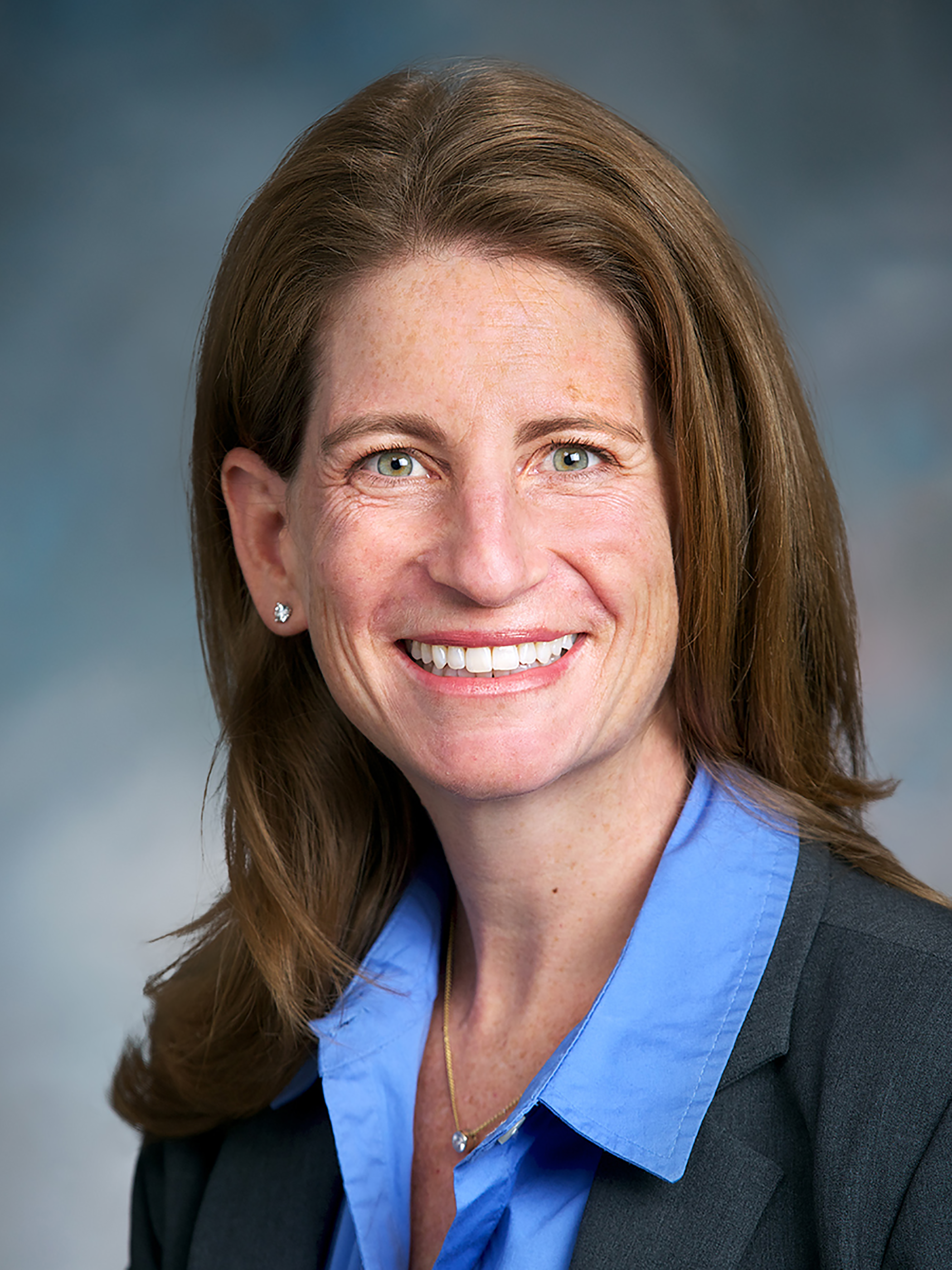
As a working mom with two kids, Tana Senn brings an important perspective to legislative issues, advocating for busy families and seeking solutions to prevent crises before they occur. Her grandparents were Holocaust survivors who relocated to Kenya before coming to the United States. Tana was raised in the Los Angeles suburb of Pacific Palisades and went on to earn a Master’s Degree in Public Policy and Administration from Columbia University in 1996. After graduate school, she was hired by National Hadassah, rising to the position of American Affairs/Domestic Policy Director. Moving from New York to Washington State in 2000, she worked as a communications consultant for nonprofits and as the marketing director for the Jewish Federation. In 2012, she became a Mercer Island City Councilmember and a State Representative in 2013, fighting for legislation to close the gender pay gap and working to establish common-sense gun laws.
CONTENT WARNING: This interview discusses themes of gun violence.
Solomon Azose
Solomon “Mo” Azose, born in Seattle in 1927, describes his family’s immigration from Marmara and the founding of Leo Azose & Sons Jewelers by his father. He reflects on life in Seattle across much of the 20th and 21st centuries, including his professional work as a jeweler and his involvement in the Sephardic community. Azose also shares memories of his wife, Mary, and his family life in Washington. Listen to Solomon's Oral History interview at the UW Jewish Archives.
Interview Date: February 27, 2018
Amy Lavin
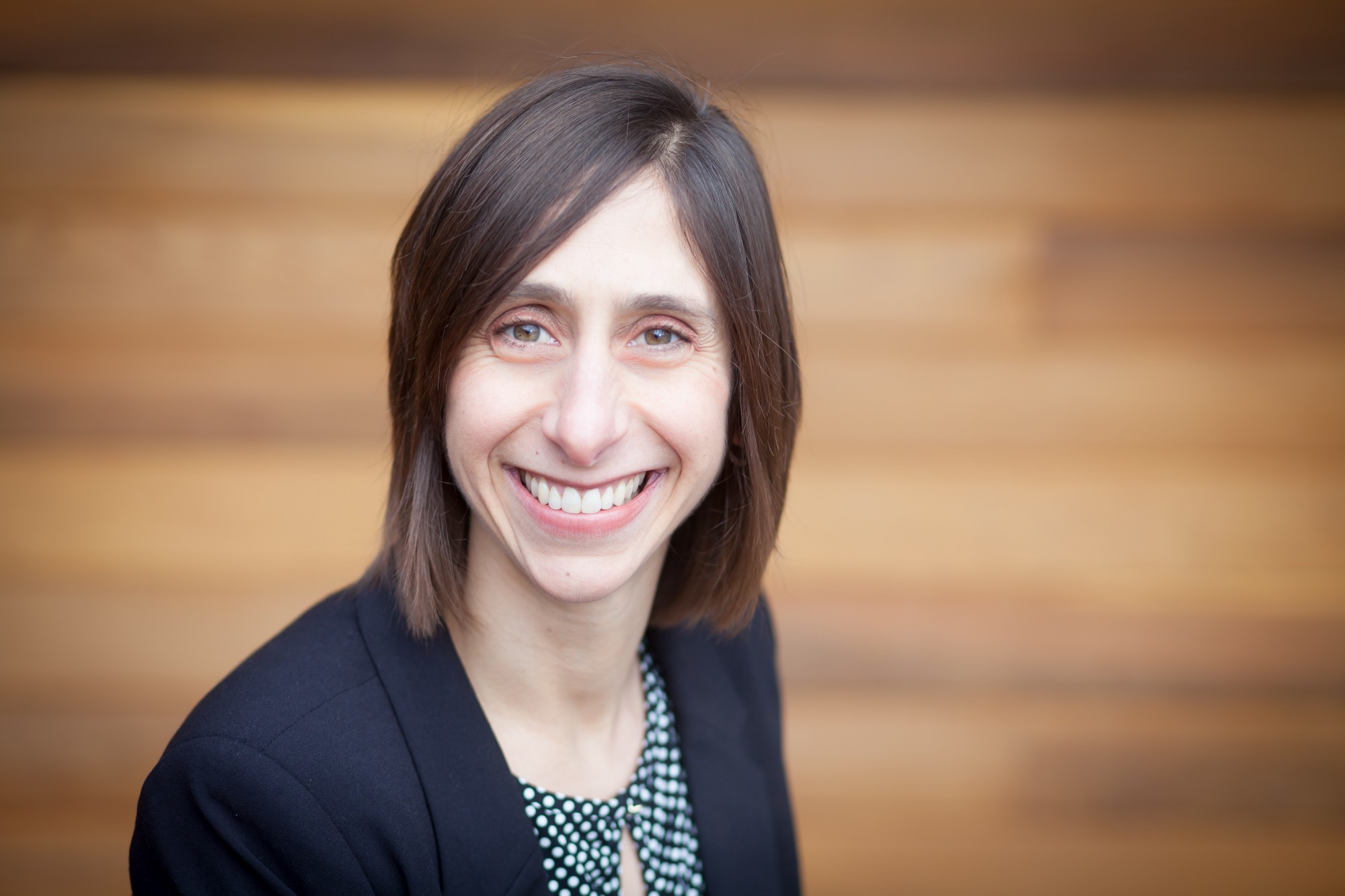
When Amy Lavin was just about 18 months old, her father’s medical residency brought her family from Chicago to Mercer Island, where she attended daycare at the Stroum Jewish Community Center. Forty-odd years later, her life came full circle when she became the SJCC’s CEO in 2017. In between those two milestones, she grew up in the Seattle area’s Jewish community before heading back to her native Chicago to get a degree in civil engineering from Northwestern, followed by an MBA from Duke. Returning to Seattle, and later Mercer Island, she settled in for a ten-year stint at Microsoft, eventually becoming Director of Marketing for the Health Solutions Group. In 2012, she joined Fred Hutchinson Cancer Research Center to create what eventually became Obliteride, Fred Hutch’s annual bicycle ride to raise funds for cancer research, which she led for nearly five years before taking the helm at the SJCC.
Bobbe Bridge
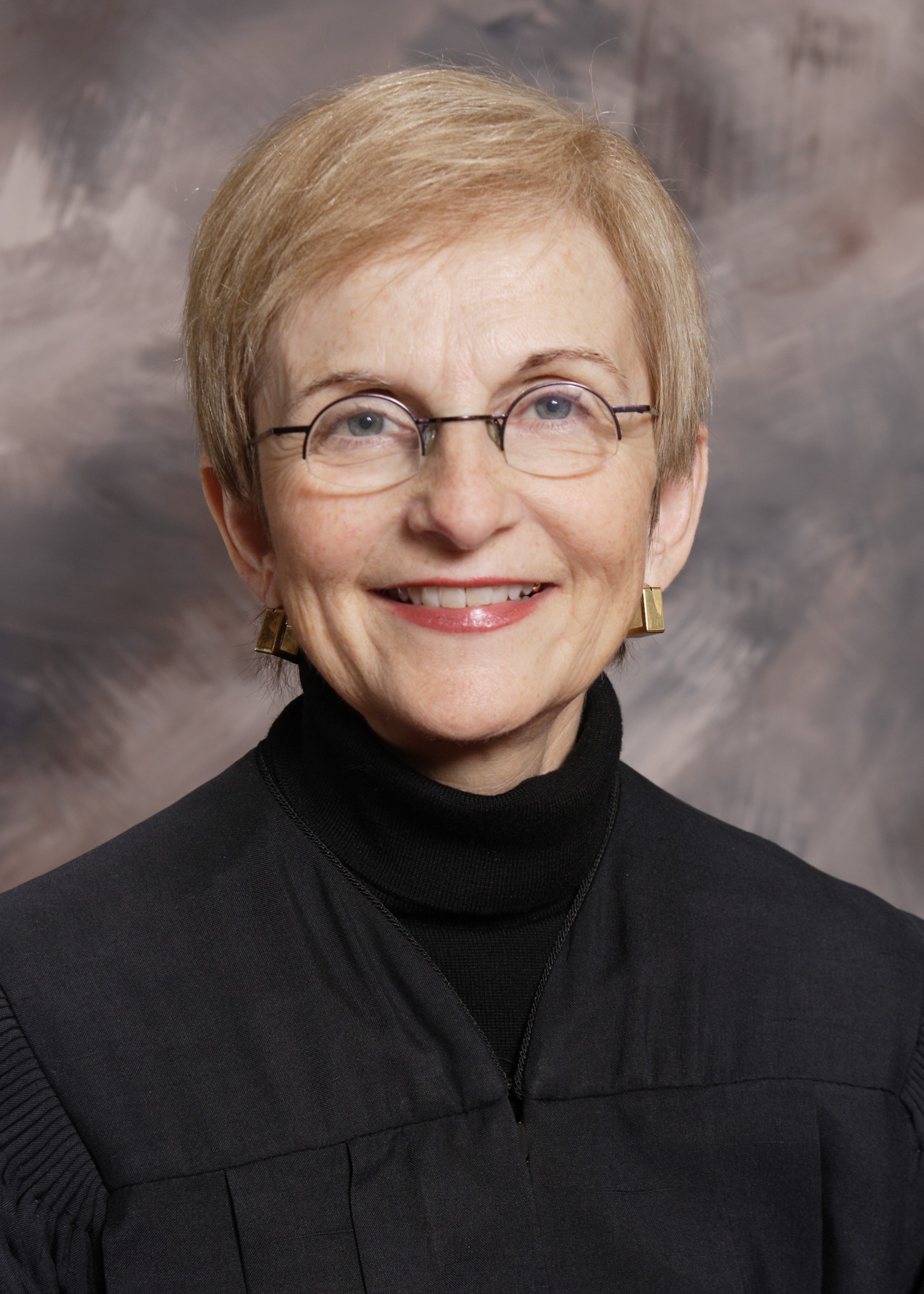
Bobbe Bridge is a former Associate Justice of the Washington Supreme Court, and a dedicated volunteer and philanthropist who has been honored with numerous awards for her civic involvement and service to children and youth. Justice Bridge was appointed to the Washington State Supreme Court in 1999 after serving ten years as a King County Superior Court Judge. In 2006, she retired from her judgeship to assume the role of Founding President and CEO of the Center for Children & Youth Justice (CCYJ), a private nonprofit organization that does work with child welfare and the juvenile justice systems in Washington State.
Nancy Pearl
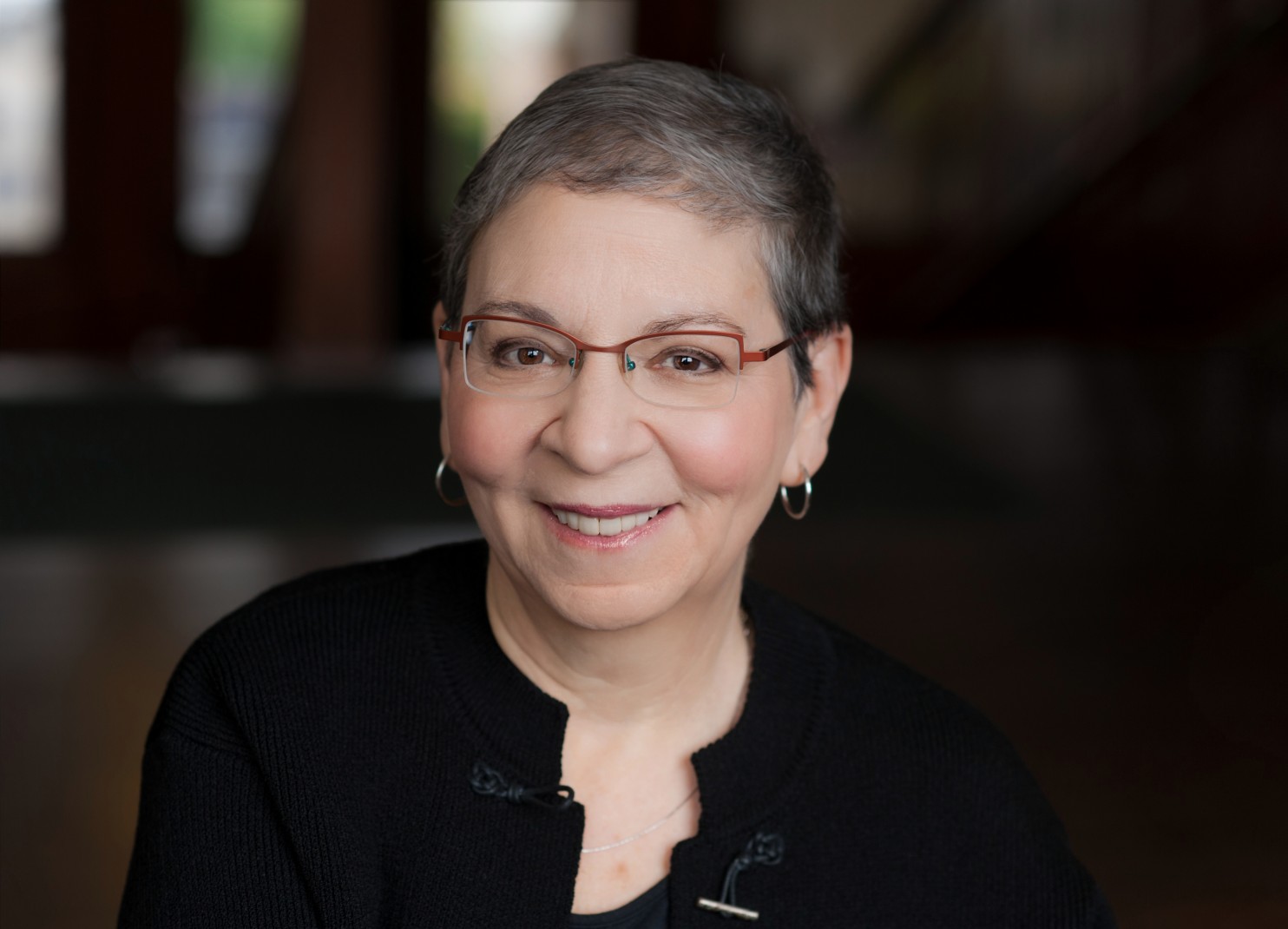
The first librarian ever to inspire her own action figure, Nancy Pearl was born and raised in Detroit, where her love of reading was encouraged by Miss Whitehead, her local librarian. She chose her career at age ten and earned a master’s degree in library science from the University of Michigan in 1967. Following a long stopover in Oklahoma (where she earned another master’s, in history, while raising a family), she moved to Seattle in 1993, becoming executive director of the Seattle Public Library’s Washington Center for the Book and founding the much-imitated "If All Seattle Read The Same Book" program. A regular book reviewer for NPR’s Morning Edition, Nancy is also the author of the Book Lust series and published her first novel, George & Lizzie, in 2017.
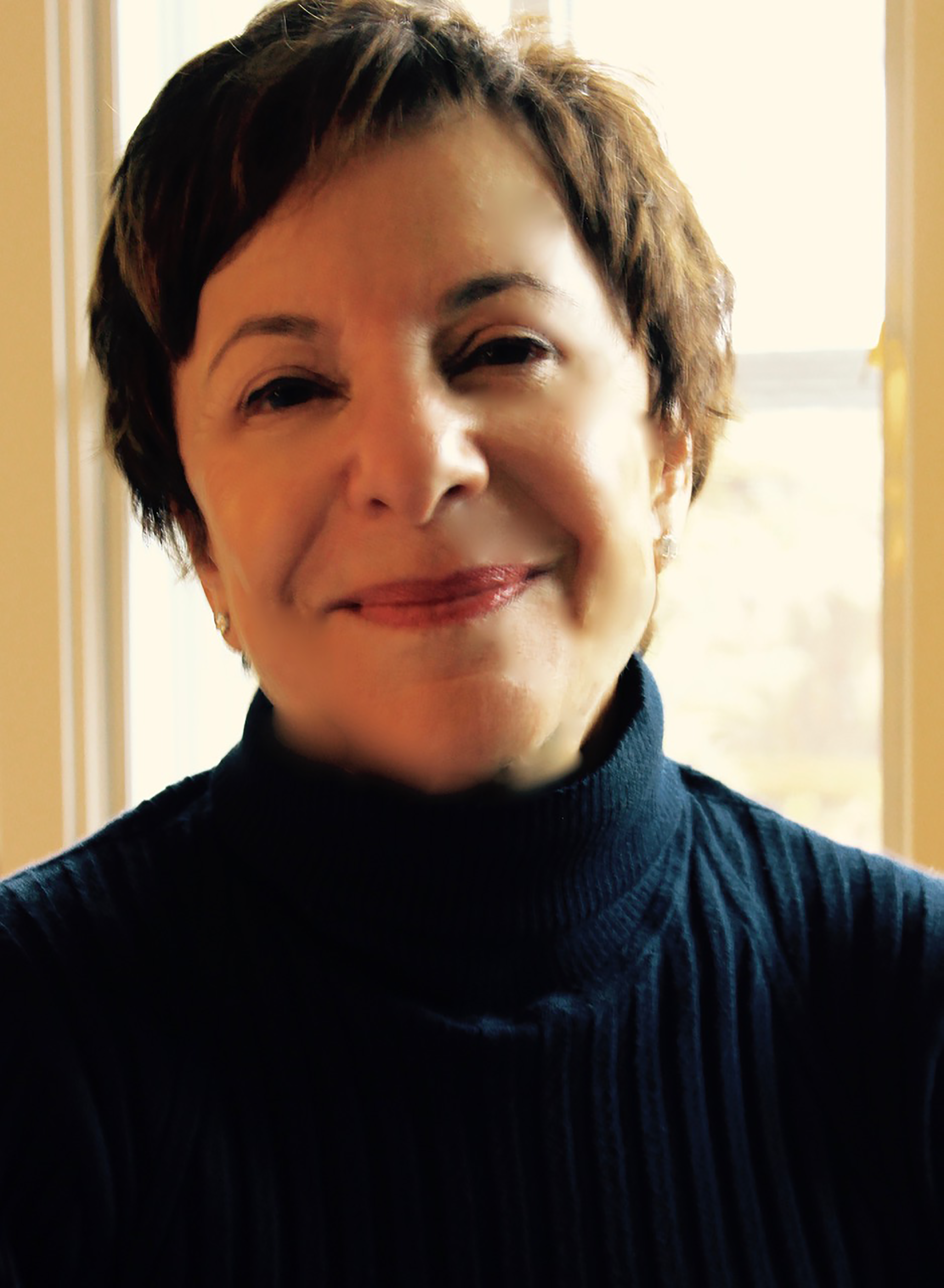
Michele Rosen
Michele Rosen was born and raised in Los Angeles, where she first got a taste for political involvement from family, teachers, and the political movements in the '60s when she was growing up. Settling down in Seattle, Michele worked a number of jobs before getting involved with the Young Leadership Cabinet, which taught her how to secure resources for communities in need. This paved the way for her later work with Hillel, the American Jewish Joint Distribution Committee, and the Jewish Family Services of Seattle. Currently, Michele is focused on technology distribution and disaster relief work.
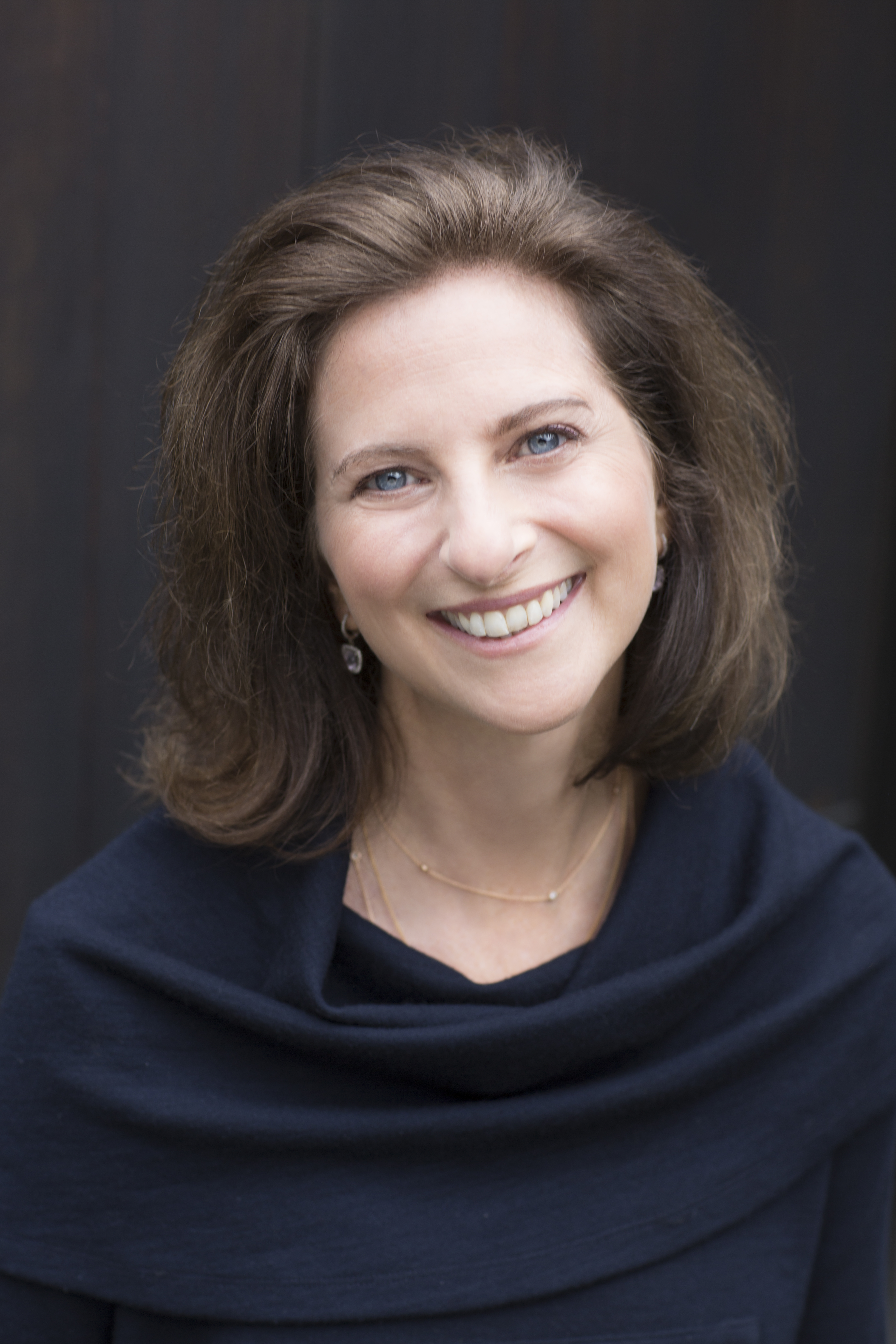
Michelle J. Goldberg
The granddaughter of a New England rabbi, Michelle J. Goldberg grew up in the town of Durham, New Hampshire, and earned a bachelor’s degree from Columbia University and a master’s degree from Harvard University, both in East Asian Studies. She and her husband moved to Seattle in 1997 to work in technology and finance and Michelle started work as an investment banker in mergers and acquisitions before joining the venture capital firm Ignition Partners in 2000. Since then, she has helped raising financing for Ignition’s investment funds and the startups it is invested in, focusing much of her attention on funding and mentoring executives with new ideas in technology. She has also served on the boards of a variety of public companies, startups and non-profits, including the public global asset management firm Legg Mason. Michelle is an active fundraiser and adviser for several non-profits in education and technology. She was a 40 under 40 honoree and has just been named a 40 under 40 All Star by the Puget Sound Business Journal. Michelle is a Crown Fellow of the Aspen Institute.
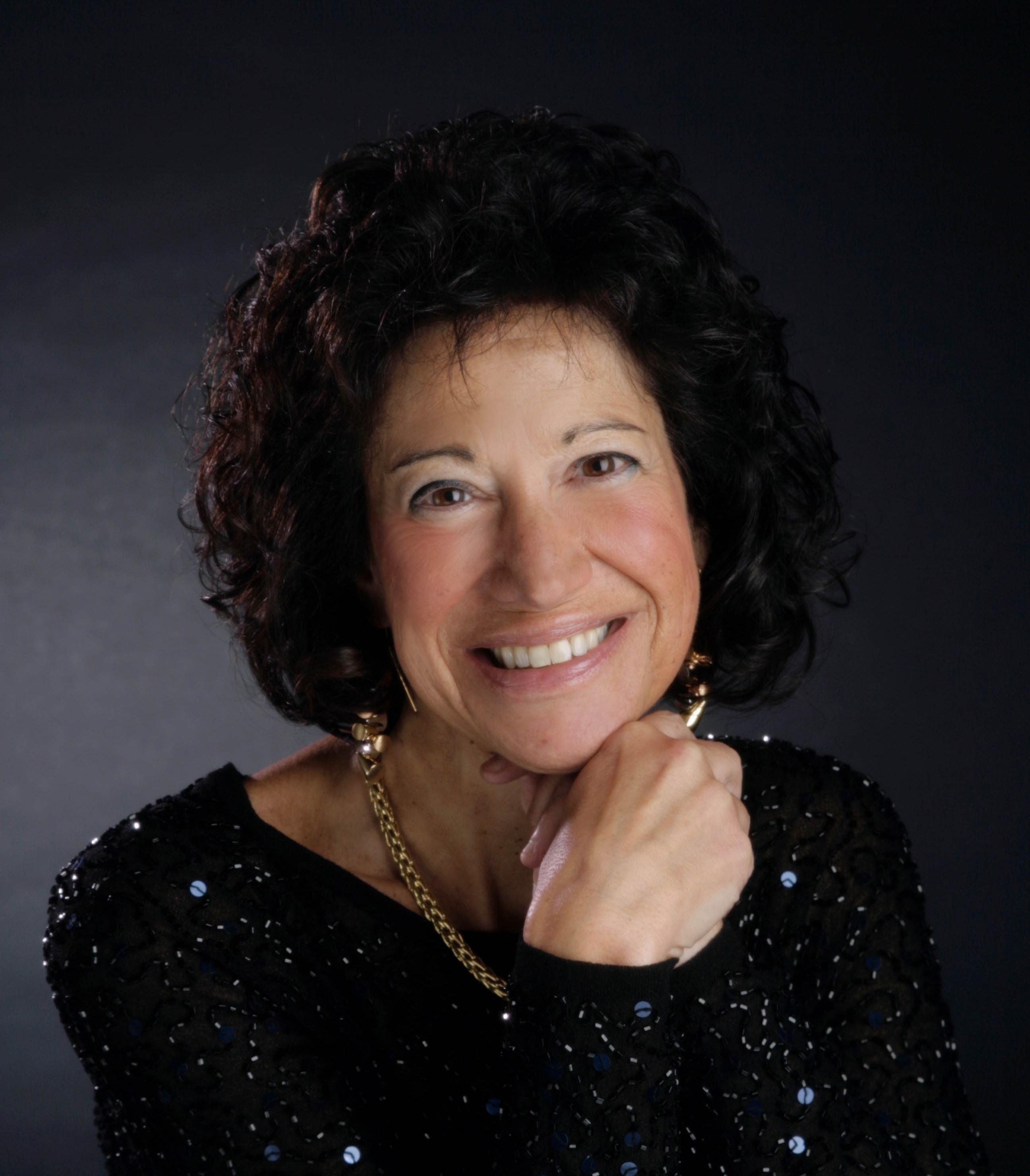
Mina Miller
The daughter of Lithuanian refugees who arrived in New York City as the Nazis were moving across Europe, Mina Miller was born into a world irrevocably shaped by the Holocaust. But faced with that tragedy of inconceivable proportions, she has created an ongoing memorial to its victims in the form of Music of Remembrance, which pays tribute to the artists who were lost to the Holocaust and the artwork they both created and inspired. Mina’s musical journey began alongside her mother, a talented pianist in her own right, and continued at the Manhattan School of Music and New York University, where she earned her Ph.D. Thereafter, she divided her time between academia, as a tenured professor at the University of Kentucky, and performance, playing concerts across North America and Europe. Moving to Seattle in 1997, she founded Music of Remembrance the following year, and has continued to lead the organization as Artistic Director ever since.
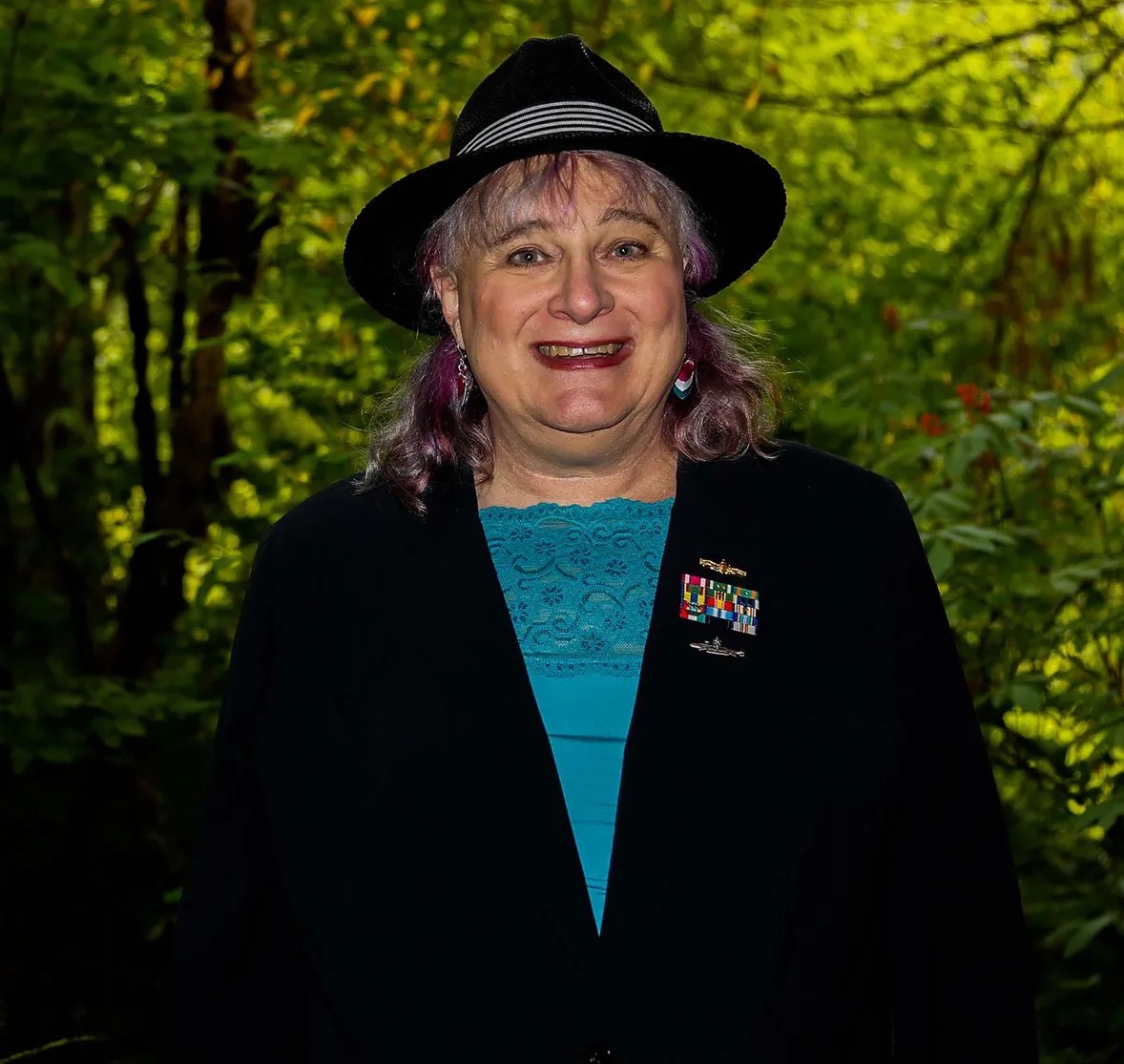
Rabbah Rona Matlow
Self-described as “the only nuclear-qualified, transgender rabbi” in the United States, Rona Matlow was born in Arcadia, California, in 1959. After serving 22 years in the Navy, she retired in 2001 at the rank of Lieutenant Commander. In 2003, she entered the Academy for Jewish Religion in New York as a rabbinical student and was ordained as a rabbi in 2009. Due to injuries suffered during her military service, she has not been able to lead her own congregation, but has worked with The Soldier’s Project to provide free counseling to veterans and Trans Lifeline to help transgender people in crisis. In 2015, she became aware of her gender dysphoria and, after discussions with her wife and family, began to transition to living full-time as a woman. As an expert on transgender, military, and religious issues, she has spoken about transgender/religious law intersections and is active as an advocate for the transgender community.
CONTENT WARNING: This interview discusses themes of mental health, death, and grief.
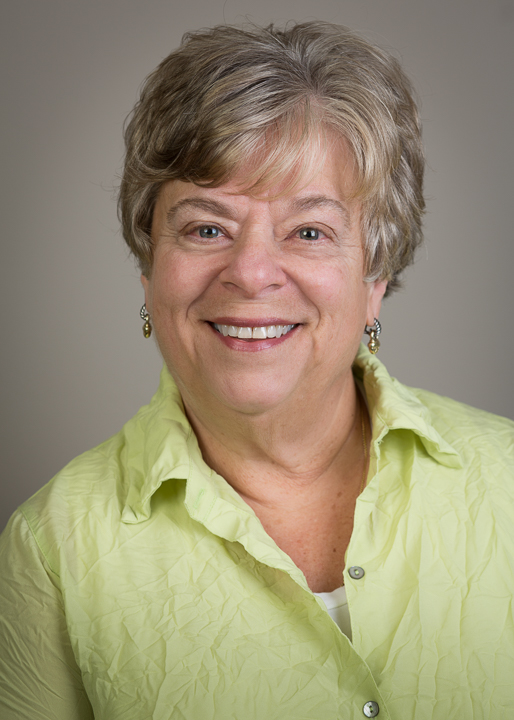
Doreen Alhadeff
Doreen Alhadeff’s family has lived in the Greater Seattle Area since 1906, when her grandmother immigrated and became the first Sephardic woman in Seattle. Growing up, her family was faithful to its Sephardic roots and spoke Ladino at home. In college, as a Spanish major, she studied in Spain, which strengthened her ties to the Sephardic culture. In 2015 she became the first American to complete the process which allows Sephardic Jews to become Spanish citizens, which has been an effort of reconciliation after the 1492 expulsion of Jews from Spain. Since then, Alhadeff has co-founded the Seattle Sephardic Network, and through that she provides a space for Sephardic Jews to celebrate and learn about their culture. She also helps other American Sephardics pursue the path to Spanish citizenship which she took.
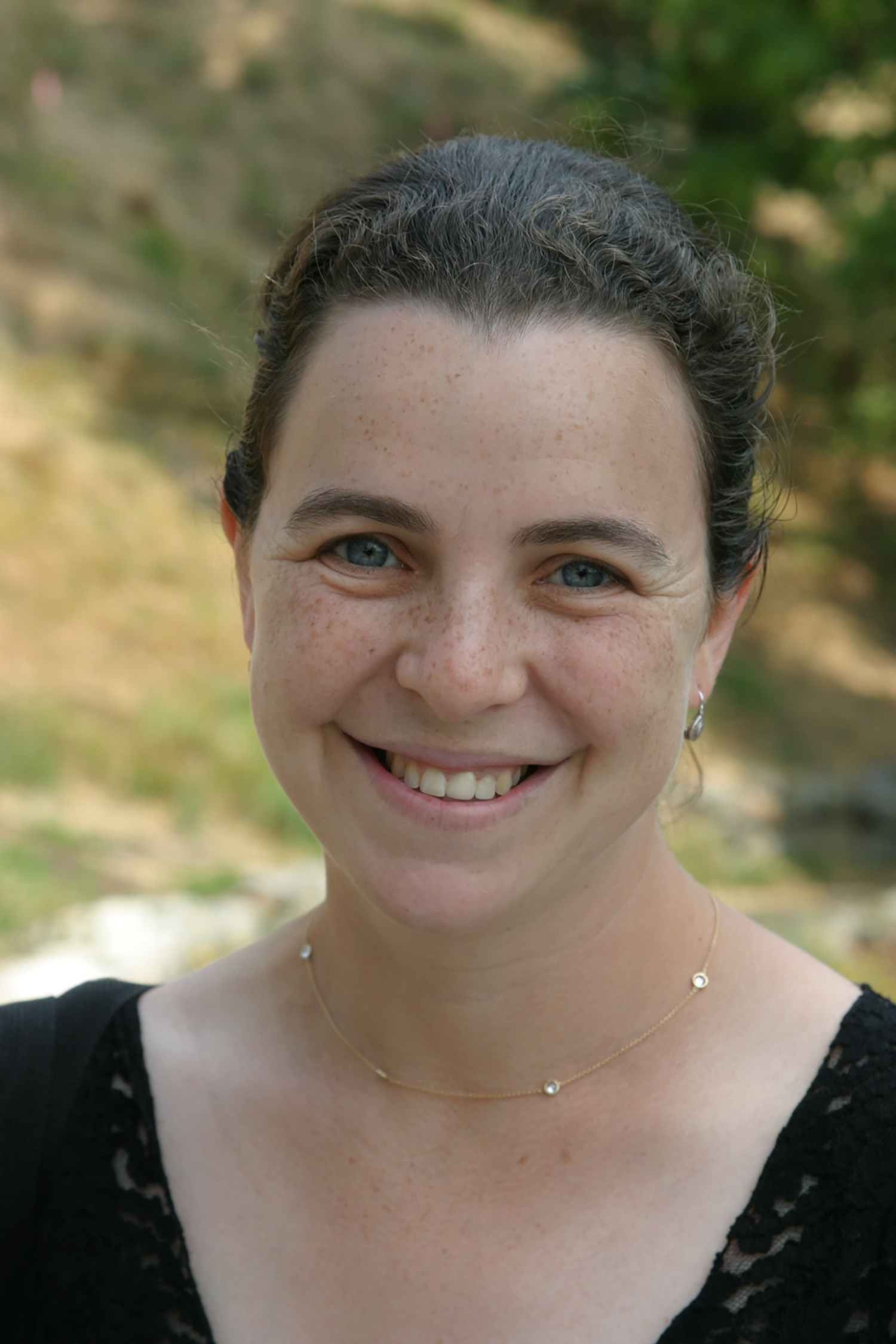
Rabbi Rachel Nussbaum
Rabbi Rachel Nussbaum was born and raised in Charleston, South Carolina, where she was one of three Jewish children in her class at an Episcopal school and often found herself explaining Judaism to her classmates. Originally planning to pursue a medical career, she was inspired in high school when she met her first female rabbi, and in college decided to pursue rabbinical studies. She moved to Seattle in 2004 shortly after being ordained by the Jewish Theological Seminary in New York. In 2006, she co-founded the Kavana Cooperative, which takes its name and mission from the Hebrew word for “intention” and encourages members to fully engage in their nondenominational community. As one of seven members of the nationwide Jewish Emergent Network, Kavana, under Rachel’s leadership, is at the forefront of creating a new paradigm of communal organization for American Judaism.
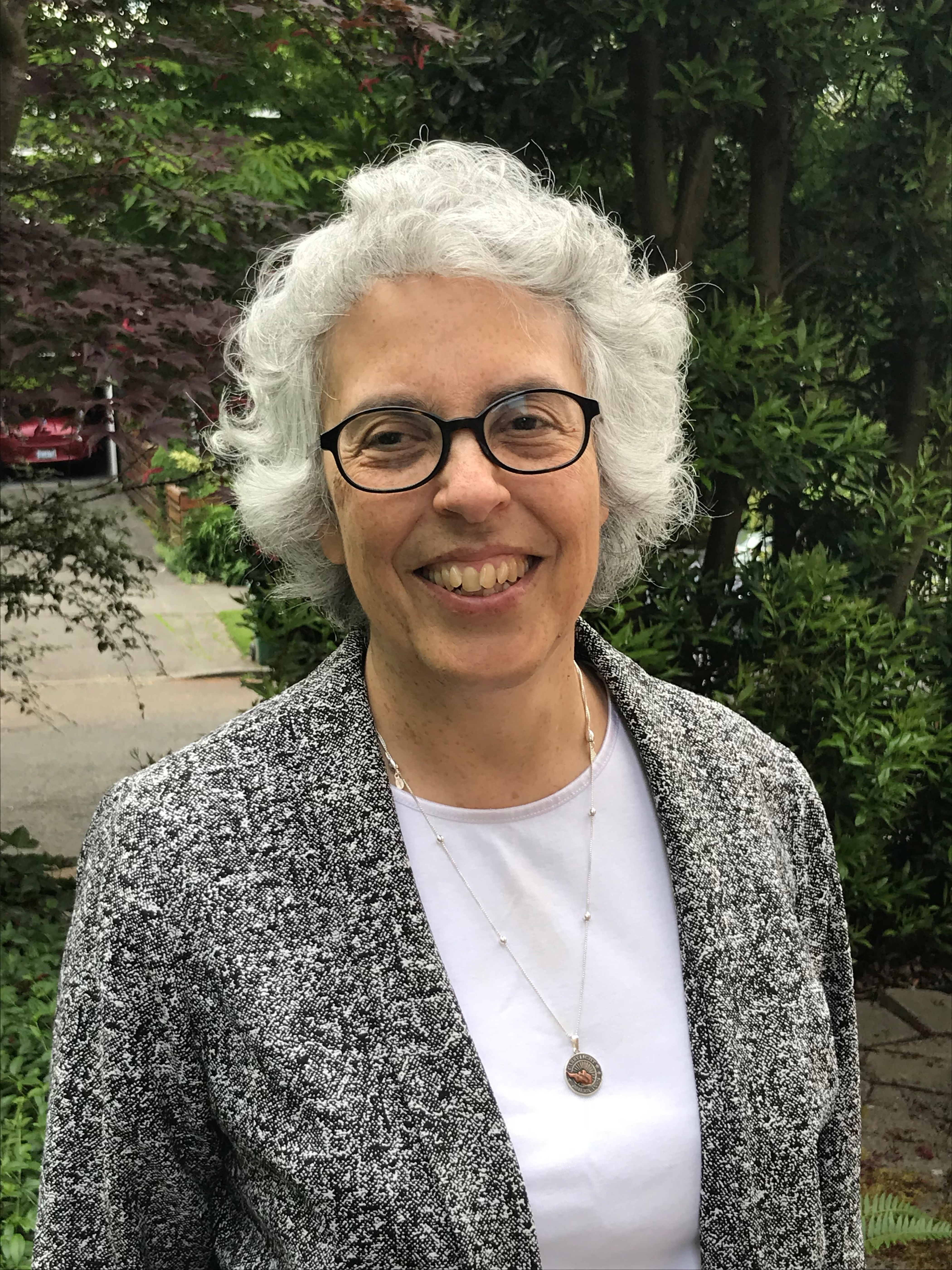
Janet Varon
A New York native, Janet Varon grew up in the Bronx before attending Harvard as both an undergraduate and a law student. Finishing law school in 1983, she accepted a job at Seattle’s Evergreen Legal Services, where she primarily represented clients who had lost their health coverage and other public benefits. After 13 years at Evergreen, she founded Northwest Health Law Advocates and has served as its Executive Director for nearly two decades. She also coordinates the statewide legal advocates' Medical Assistance Work Group; serves on the Healthy Washington Coalition Steering Committee; and is a member of the board of the Washington Medical-Legal Partnership. She previously served on the board of the National Health Law Program and chaired the state's Medical Assistance Advisory Committee, and served on the Governor's Certificate of Need Task Force and on the Low-Income Populations Advisory Group to the Joint Select Committee on Health Care Reform Implementation.
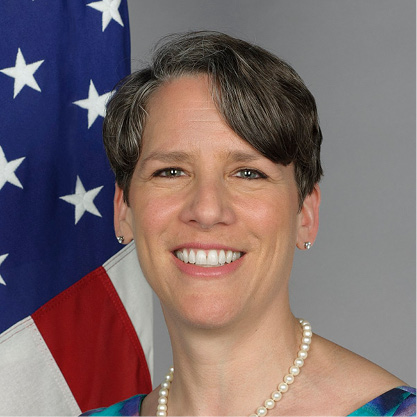
Suzi LeVine
East Coast native Suzi LeVine moved to Seattle in 1993, fresh from earning degrees in Engineering and English at Brown University, the last marketing person hired to work on the MS-DOS team at Microsoft. That led to a position on the team that launched Windows 95, an executive role at Expedia, and an exciting and non-linear career working in both the private and public sector, while also volunteering for a wide variety of non-profits and political campaigns. Self-described as a “Wife, Mom, Citizen, Apprenticeship Advocate, and Catalyst,” Suzi is the co-founder of the cooperative Jewish community Kavana, was a key volunteer on the Obama For America campaign, served as the United States Ambassador to Switzerland and Liechtenstein from 2014 to 2017, and is now commissioner of the Employment Security Department for the State of Washington.
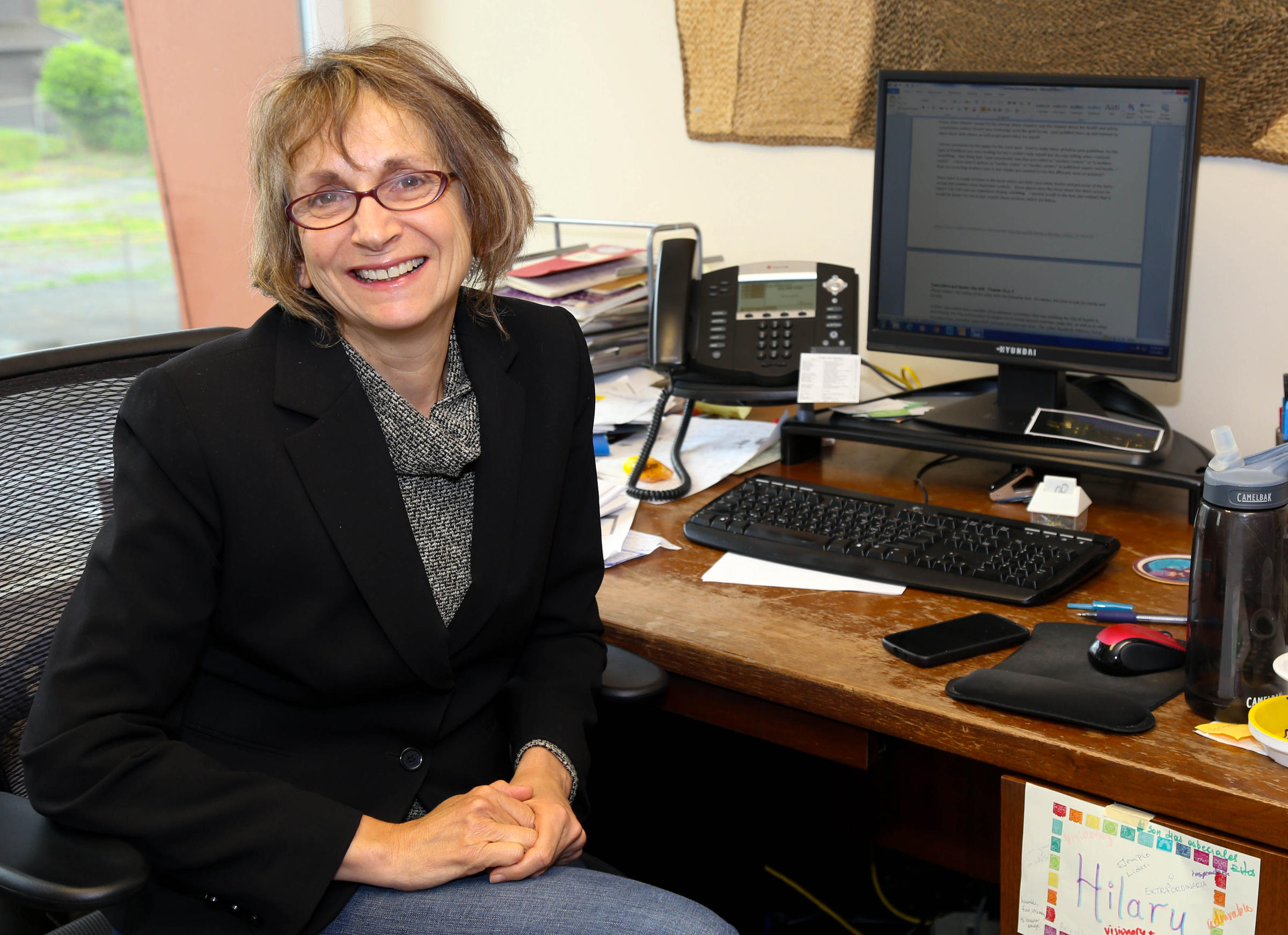
Hilary Stern
Born in Los Angeles, Hilary Stern spent her early years in Maryland before her family moved to Seattle when she was seven years old. The daughter of a University of Washington physics professor, she spent formative years in Israel as a teenager and Nicaragua after college, and has worked her entire adult life to make a difference for underprivileged and undocumented immigrants in Seattle. Since she founded Casa Latina in 1994, the vibrant worker rights organization has helped thousands of day laborers find work, learn English, and fight for their rights, bringing them off the streets and into a three-building campus in Seattle’s Central District. In addition to directly serving the Latino community in King County, Casa Latina has also had national impact, providing programs, curricula and operations models for day worker centers throughout the country.
Julian Agranoff
Julian Agranoff, born in Chicago, recounts his family’s emigration from Dnepropetrovsk, Ukraine, and describes his childhood in Southern California, where he performed in his father’s Hollywood Baby Orchestra. He shares memories of his family’s hotel and sanatorium, his education, bar mitzvah studies, and summers in Soap Lake with other Jewish families from Seattle. Agranoff also discusses his service in the Navy Air Corps and his later work with the Bureau of Reclamation, the U.S. Army Corps of Engineers, and the Grant County planning department. Listen to Julian's Oral History interview at the UW Jewish Archives.
Interview Date: May 27, 2015
Dennis Warshal
In his oral history interview, Dennis Warshal reflects on his early life growing up in Seattle’s Madrona neighborhood and later childhood years in Bellevue, Washington. He shares memories of Warshal’s Sporting Goods, his family’s business, and describes its role and setting in post-World War II downtown Seattle. Warshal also discusses his involvement and recognition within Jewish community organizations, as well as his family history. A significant portion of the interview focuses on the story of his uncle Milton Warshal’s death as a prisoner of war during the D-Day invasion period.
Interview Date: July 26, 2014
Kenneth Alhadeff
Kenneth Alhadeff, born in Seattle, discusses his family’s deep roots in the city, including his grandfather Solomon Alhadeff, who worked for Pacific Fish Company and served as the first president of Congregation Ezra Bessaroth, and his maternal grandfather, Joseph Gottstein, who built Longacres Racetrack. He reflects on his Jewish education, experiences as a student at Washington State University, and his role in operating and eventually selling Longacres. Alhadeff also shares his civic and cultural contributions, including renovating the Bay Theater, producing Broadway shows, and working with Jewish Family Services. Listen to Kenneth's oral history interview at the UW Jewish Archives.
Interview Date: March 2, 2012
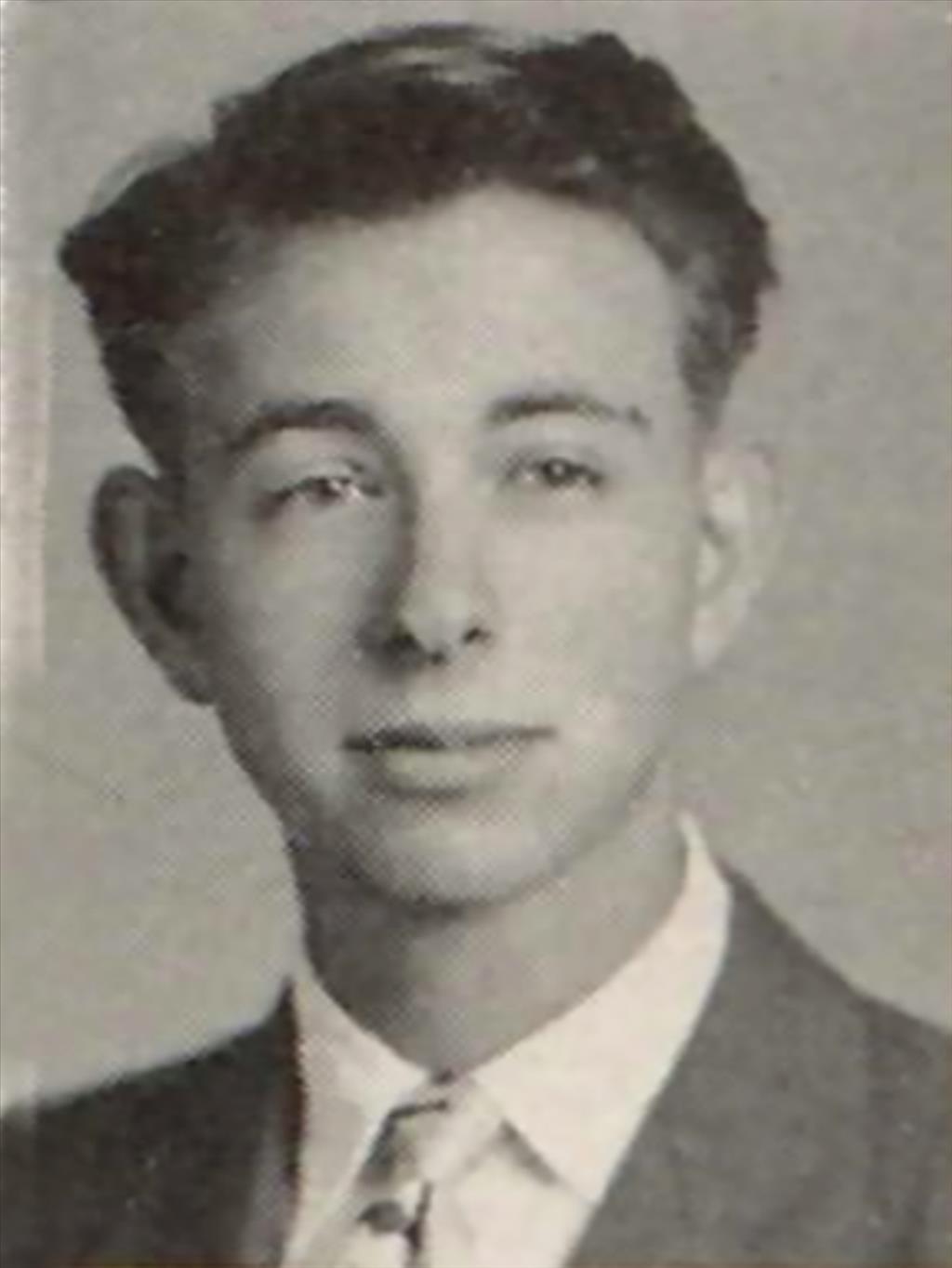
Sydney Abrams
Sydney A. Abrams, born in Seattle in 1927, describes his childhood and reflects on his parents’ immigration from Lithuania and Ukraine, including his mother’s upbringing in the Republic. He discusses his family life and early experiences growing up in Seattle. Abrams also recounts his 1946 service aboard the USS Paducah, where he joined a Jewish volunteer crew attempting to bring Holocaust survivors from Europe to Palestine. Listen to Sydney's Oral History interview at the UW Jewish Archives.
Interview Date: February 8, 2012
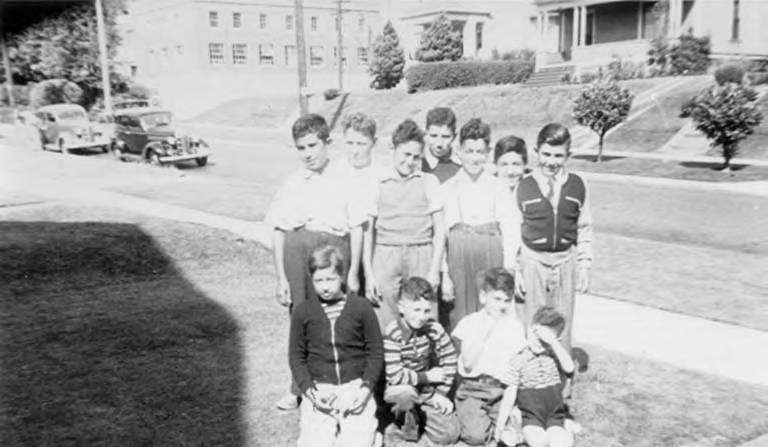
Harry Varon
Harry Varon was born in Seattle on July 19, 1918. During World War II, he served in the Navy as a butcher and cook, stationed at Sand Point Naval Air Station and later at Dutch Harbor, Alaska. He owned Varon's Kosher Meats from 1947 until he handed the business to his son-in-law, Roger Hirsch, in 1984. Varon discusses his family history, his Navy service during World War II, and the kosher meat business he operated in Seattle. He also describes the other butchers in the area, the effects of the Race Riots on business, and the closure of many butcher shops with the advent of chain supermarkets. Listen to Harry's oral history interview at the UW Special Collections.
Interview Date: March 24, 2006
Craig Degginger
Craig Degginger, born in Seattle, discusses his family background, education, and early involvement with the Seattle Jewish Transcript. He describes becoming editor, highlights significant stories he covered, and explains his decision to leave after ten years. Degginger also reflects on his work with the Jewish Federation of Seattle and shares his perspective on changes in the local Jewish community over the past two decades. Listen to Craig's Oral History interview at the UW Jewish Archives.
Interview Date: December 23, 2004
Lilly DeJaen
Lilly DeJaen, born in Seattle, discusses her family history and upbringing in the city’s Sephardic Jewish community. She recalls daily life in the Central District, including the families, businesses, and close-knit relationships that shaped the neighborhood. DeJaen also reflects on holiday celebrations, traditions, and cultural customs that were central to community life. Listen to Lilly's Oral History Interview at the UW Jewish Archives.
Interview Date: March 1, 1995
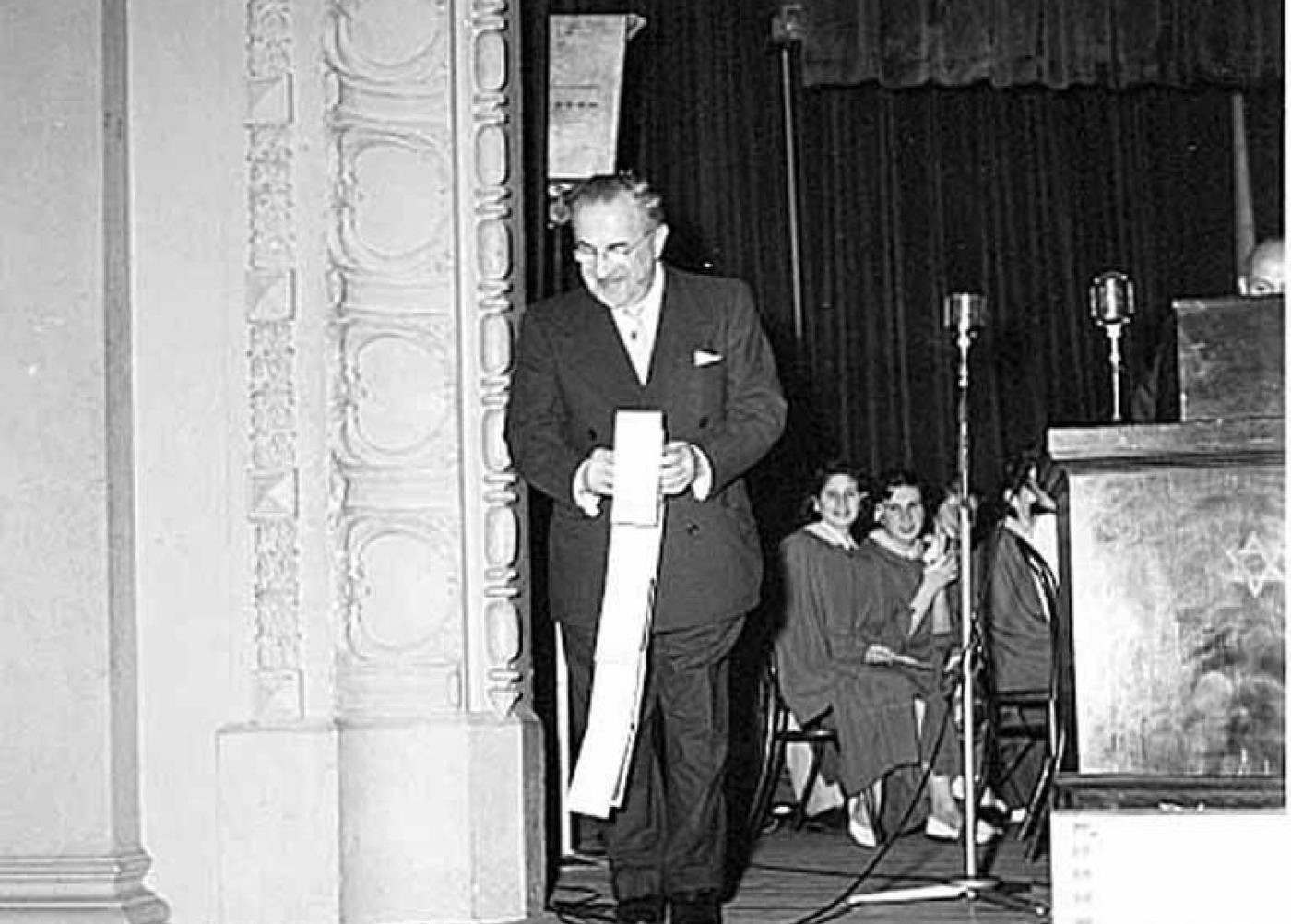
Samuel E. Goldfarb
Samuel E. Goldfarb reflects on his early life growing up on the Lower East Side in a musical, Jewish household. He recalls entering the lively world of Tin Pan Alley, where he encountered composers like George Gershwin and Irving Berlin, and performing in Yiddish theater. Alongside his traditional Jewish education, he also studied music at Columbia University. Goldfarb describes how a 1930 trip brought him and his wife to Seattle, where Rabbi Samuel Koch invited him to become musical director of Temple de Hirsch. He reflects on building a lasting music program there, founding children’s choirs, and training generations of young musicians before retiring in 1968. Listen to Samuel's Oral History interview at the UW Jewish Archives.
Interview Date: February 1, 1987
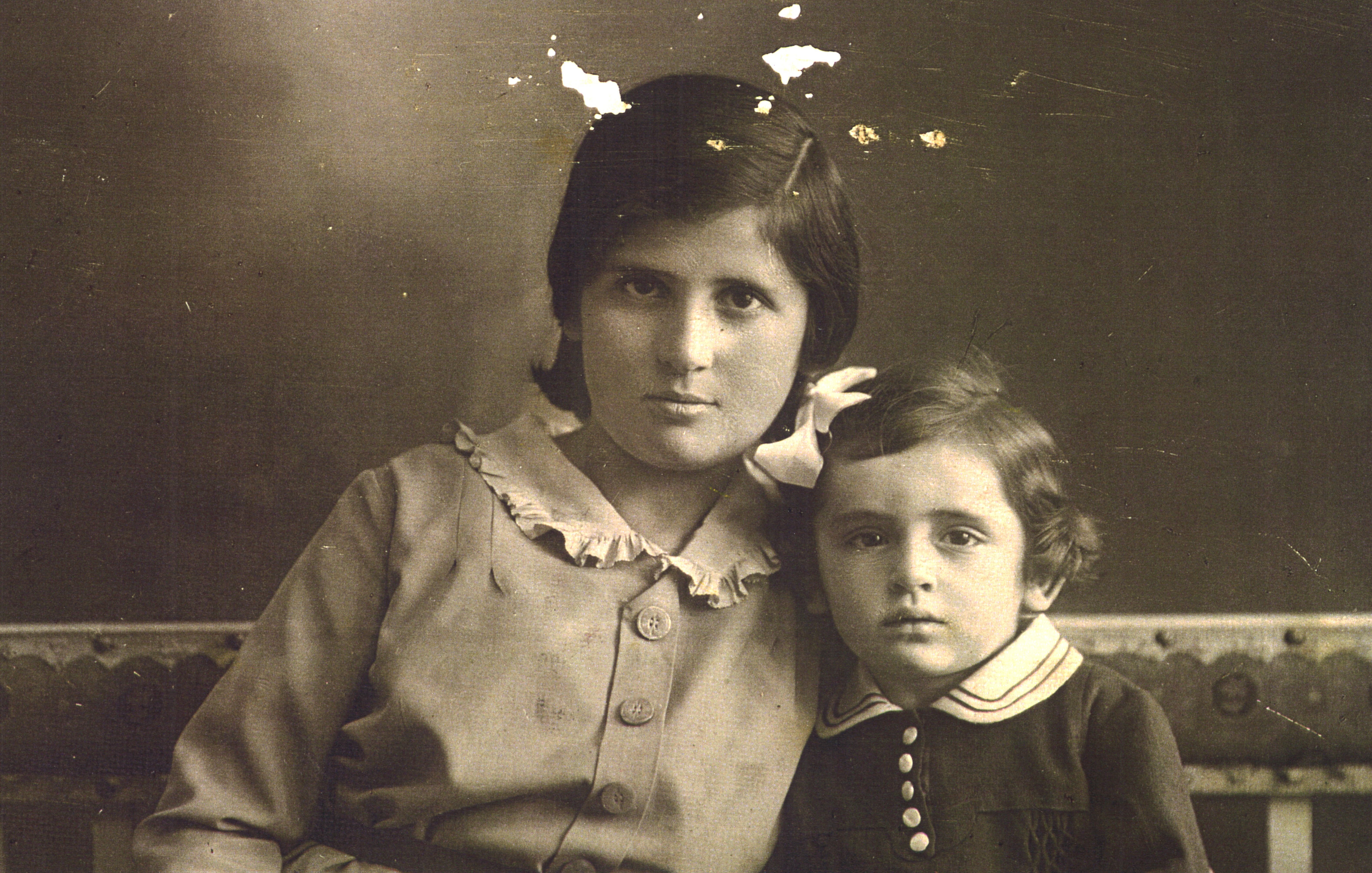
Noemi Ban
Noemi Ban recounts her life. Born on Sept 29, 1922, in Szeged, Hungary, her father was a teacher and principal, and her mother a secretary and bookkeeper. She attended elementary school in Kiskunhalas, then Protestant junior high. She enrolled at Abonyi Gimnázium in Budapest but stayed in Kiskunhalas to tutor, only going to Budapest for exams. After graduating in 1940, her family sent her to Budapest for sewing lessons, believing a trade was safer amid rising discrimination. In 1941, her family moved to Debrecen when her father became principal. After Hungary's occupation by the Germans on March 19, 1944, Jews were forced into a ghetto. Her family, including her sister and brother, was moved to a brick factory. Her father was taken to a labor camp on May 24, 1944. The family was transported to Auschwitz on June 17, 1944; only Noemi entered the camp. She describes camp conditions and the destruction of the Gypsy camp. In August 1944, she was selected for transport to Germany and arrived at the Allendorf munitions factory. Listen to Noemi's Oral History interview at the UW Jewish Archives.
Interview Date: June 17, 1986
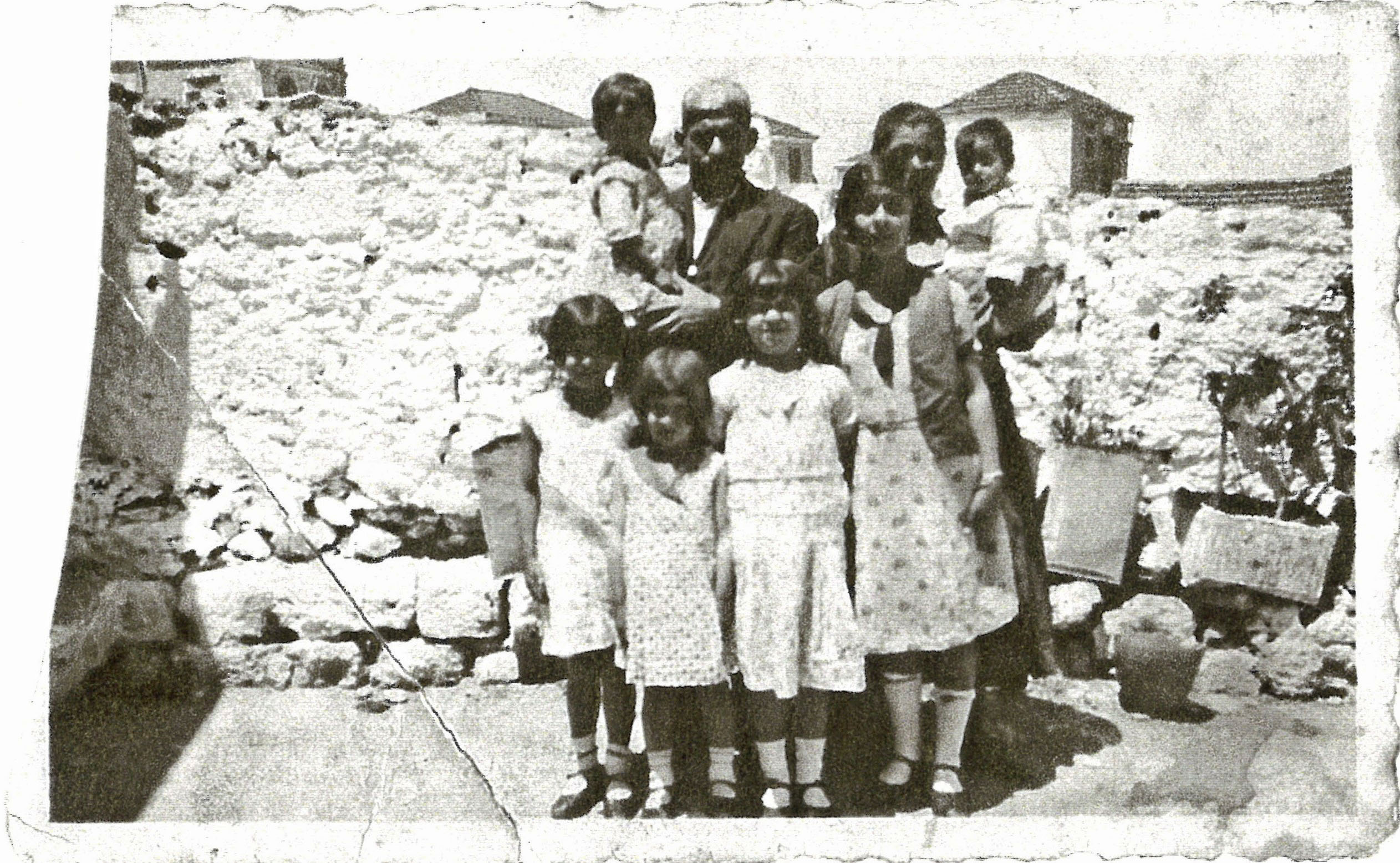
Stella DeLeon
Stella DeLeon recounts her early life as a Jewish child on the island of Rhodes, the arrival of German forces, and the deportation of nearly 3,000 Jews from the island in 1944. She speaks in vivid detail about her imprisonment in Auschwitz, Dachau, and Bergen-Belsen, the loss of family members, her liberation in 1945, and her journey to rebuild her life in the United States. Listen to Stella's Oral History interview at the UW Jewish Archives.
Interview Date: May 20, 1982
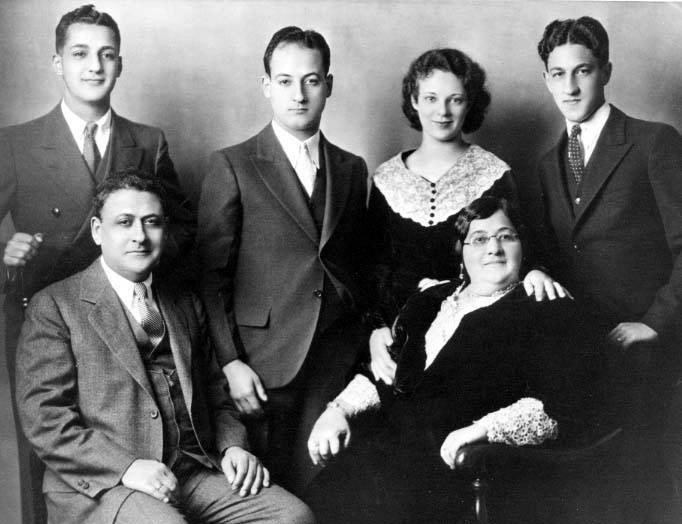
Charles Alhadeff
Charles Alhadeff, born in Seattle, discusses his early life in the Yesler Way neighborhood, his education, and his family’s seafood businesses, including Palace Fish and Oyster Company, Whiz Fish Company, and ABC Pacific. He reflects on his father’s involvement with Congregation Ezra Bessaroth and describes Sephardic community life and social experiences. Alhadeff also recounts being among the first Sephardic Jews to attend Temple De Hirsch Sinai’s religious school, his experience pledging Zeta Beta Tau, and his marriage to an Ashkenazic woman. Listen to Charles Alhadeff's Oral History interview at the UW Jewish Archives.
Interview Date: March 3, 1982
Gordon DeLeon
Gordon DeLeon, born in Rhodes, recounts his childhood under Turkish and Italian rule and his family’s immigration to Seattle in 1912 via Ellis Island, where his father opened a shoe shop and helped organize early Sephardic religious services. He describes the development of Seattle’s Sephardic community, including religious life, naturalization, and social and cultural activities. DeLeon also reflects on his leadership roles in organizations such as the Anti-Defamation League and B'nai B'rith, and recalls the impact of World War II on Jews from Rhodes. Listen to Gordon's Oral History Interview at the UW Jewish Archives.
Interview Date: February 17, 1982
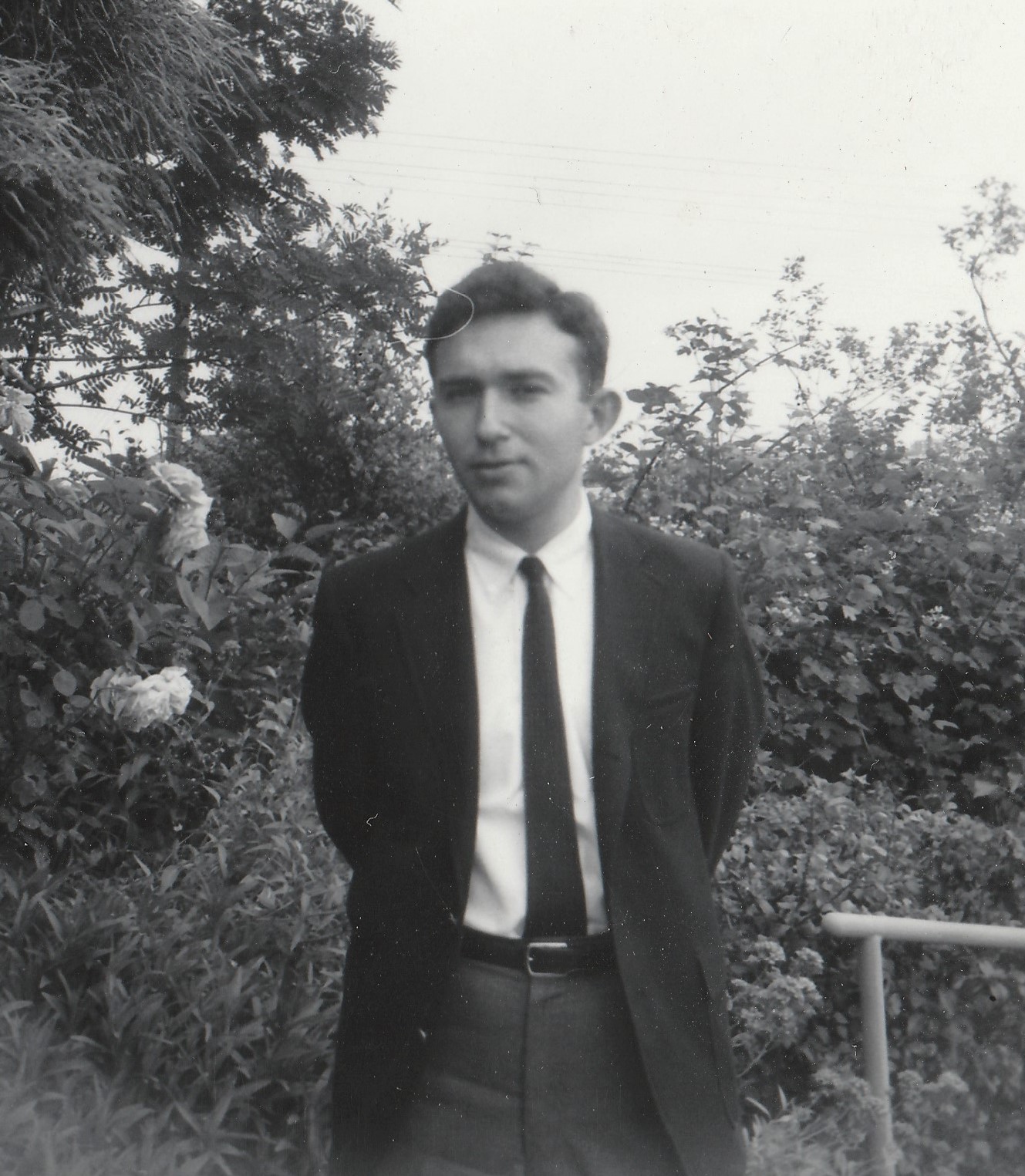
Edward Alexander
Edward Alexander, born in Brooklyn in 1936, describes his upbringing and his academic training at Columbia University and the University of Minnesota, where he earned his graduate degrees. He discusses his career as a professor of English at the University of Washington. Alexander focuses on his role in founding the university’s Jewish Studies program and reflects on its early development and significance. Listen to Edward's Oral History interview at the UW Jewish Archives.
Interview Date: May 7, 1981
Norman Davis
Norman Davis, born in Manchester in 1897, recounts his career in the Seattle art community and his work with the Seattle Art Museum. He reflects on his role as Fine Arts Director for the Seattle World's Fair and shares insights into the city’s cultural life and arts institutions. This interview is available only as a transcript, as the original audio was damaged and could not be preserved. View Norman's interview transcript at the UW Special Collections.
Interview Date: September 26, 1977
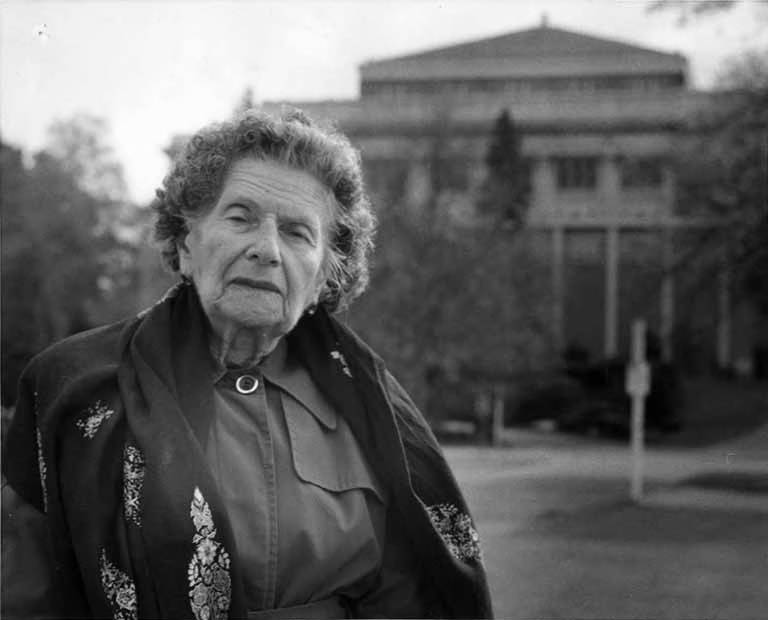
Eva Deutsch
Eva Esfeld Deutsch was born in Pultusk, Poland. In this interview, she describes her memories of life there, including hiding from Cossack searchers and being smuggled out of the country. Her father was a tailor who immigrated to Texas. Two years later, Eva, her siblings, Sol and Molly, and her mother traveled by boat to Galveston, where they were reunited with her father. Her early memories in Texas include reflections on Waco, Cleburne, and Dallas. The Alaska Yukon Exposition attracted her family to Seattle. She describes her involvement with the Settlement House, which inspired her love of sewing. Deutsch describes life in Seattle, her early education, individuals she knew while growing up, her marriage to Julius Deutsch, and her memories of various Seattle-area Jewish organizations. Listen to Eva's Oral History at the UW Jewish Archives.
Interview Date: November 25, 1974
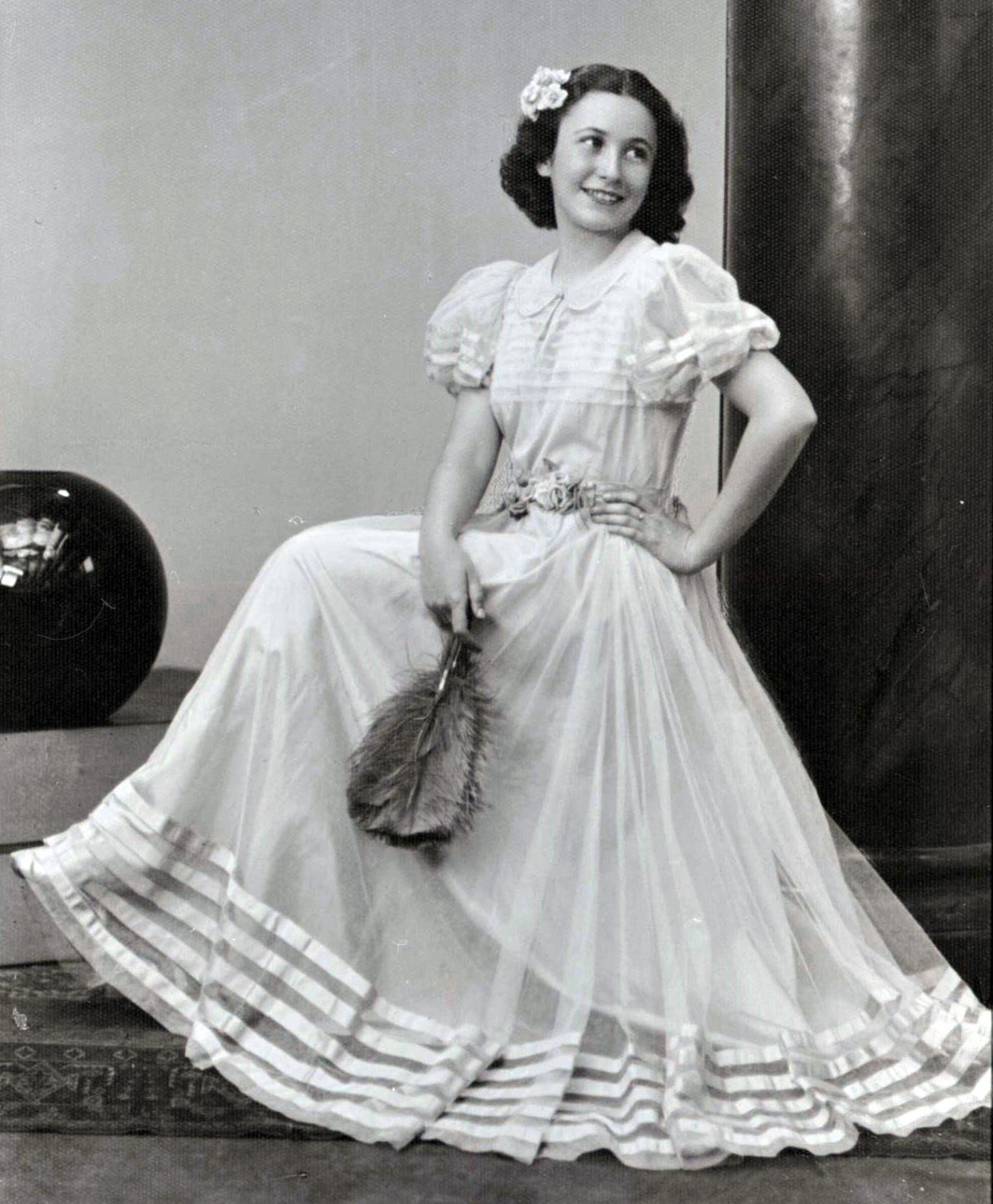
Maria Abrams Frank
Maria Frank Abrams, born in Debrecen, describes her early interest in art and her studies as a painting major at the University of Washington. She recounts meeting Mark Tobey in Paris and discusses her creative process, inspirations, and her work designing sets and costumes for organizations, including the Seattle Opera and the Jewish Community Center. Abrams also reflects on her wartime experiences in concentration camps, including Bergen-Belsen, and how these events influenced her life and art. Listen to Maria's Oral History Interview at the UW Jewish Archives.
Interview Date: March 20, 1974
Please Note: Our team is actively working to digitize our content. Check back soon to explore the full collection, and stay updated by joining our mailing list or following us on Facebook and Instagram.