Digital Exhibits & Collections
The Washington Jewish Museum is an online museum dedicated to preserving and showcasing the history of Jewish life in Washington State. It serves as a platform to explore the Jewish community’s past and present through oral histories, photographs, and other archival materials. As the first Jewish museum of its kind in Washington state, it is dedicated to honoring the stories, lives, memories, and events that continue to shape Jewish identity and experience in the state.
Please contact the WSJHS office to learn more or to request an exhibit and physical artifacts.
13 Counts: Coming of Age in the Jewish Community
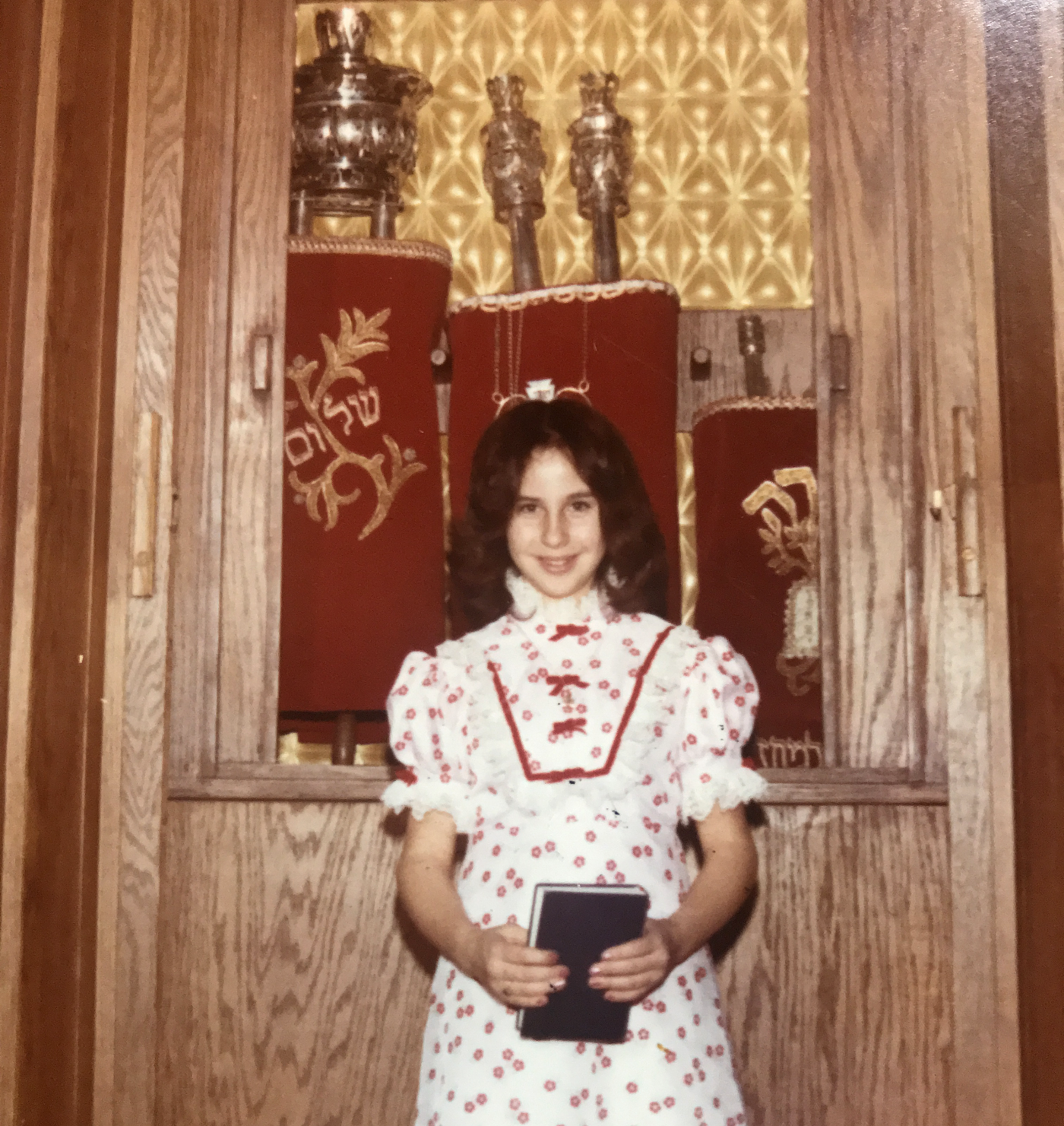
The Washington State Jewish Historical Society preserves and shares the history of Jewish life in Washington, with lifecycle events at its core. From coming-of-age moments to memorials, these milestones reflect the community’s traditions and evolving identity.
This features programs like 13 Counts (2019), where 13-year-olds shared personal reflections on identity and coming of age within the Jewish community, alongside highlights from our Oral History Program and space for community and memorial tributes. Together, these stories honor the past and keep Jewish life and memory alive for future generations. Interested in hearing more stories? View this playlist.

Agents of Change
Agents of Change is a digital exhibit highlighting 20 Jewish women in Washington who were actively shaping history through their achievements in fields such as arts, activism, athletics, education, business, diplomacy, law, politics, religion, and philanthropy. Through interviews, photographs, and, in some cases, video recordings, the exhibit documents their personal stories and lasting impact. Curated by Jeff Schwager, the project features narrative exhibit panels and a series of four companion podcasts, collectively showcasing the breadth and depth of Jewish women’s leadership and influence in the state and beyond. Tune in to the Agents of Change podcast here.

Brenner Brothers
Brenner Brothers Bakery and Delicatessen was a beloved family-owned Jewish bakery in Seattle, founded by Abe Brenner in the early 1900s. Located on Yesler Way and Cherry Street—an area affectionately known as "Kosher Canyon", the bakery became a central gathering place for the local Jewish community. Brenner Brothers was celebrated for its authentic Jewish rye bread, challah, bagels, and a wide variety of traditional delicacies, many made using recipes passed down through generations.
Brenner Brothers Bakery is featured in the WSJHS exhibit Shalom! Open For Business. View this playlist to hear additional videos associated with this exhibit. You can listen to the oral histories of Ruth, Itsey, and Joe Brenner at the UW Jewish Archives.
B. Marcus Priteca: Renowned Architect
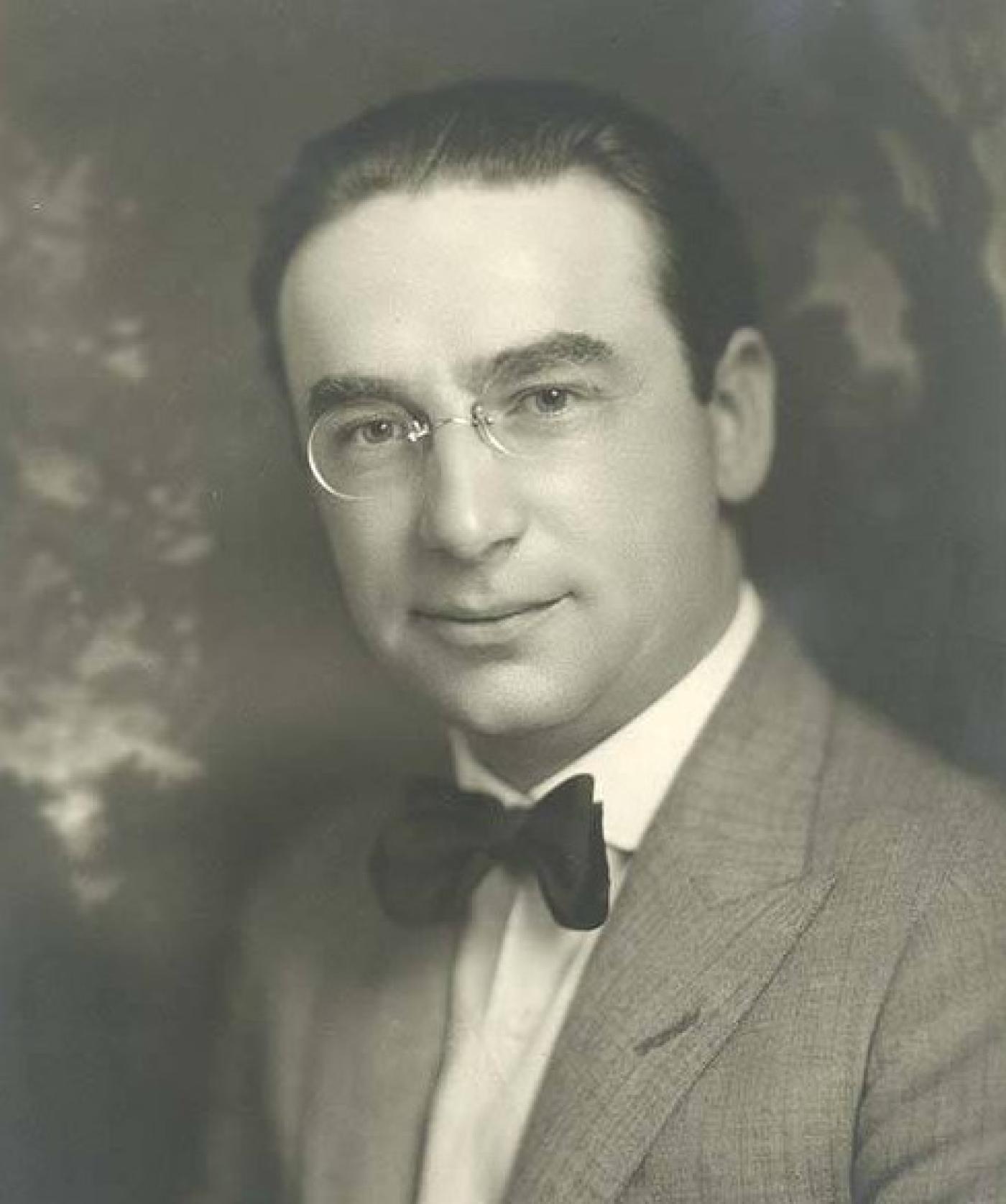
Born in Glasgow in 1889, B. Marcus Priteca emigrated to Seattle in 1909 and became one of the most influential theater architects of the early 20th century. Best known for his collaboration with vaudeville impresario Alexander Pantages, Priteca designed more than 150 theaters across North America, including the Hollywood Pantages Theatre and Seattle’s Admiral and Magnolia Theatres. Renowned for creating a sense of luxury on modest budgets, he remained active in architecture for decades and was named a Fellow of the American Institute of Architects in 1951.
Bikur Cholim: Then & Now
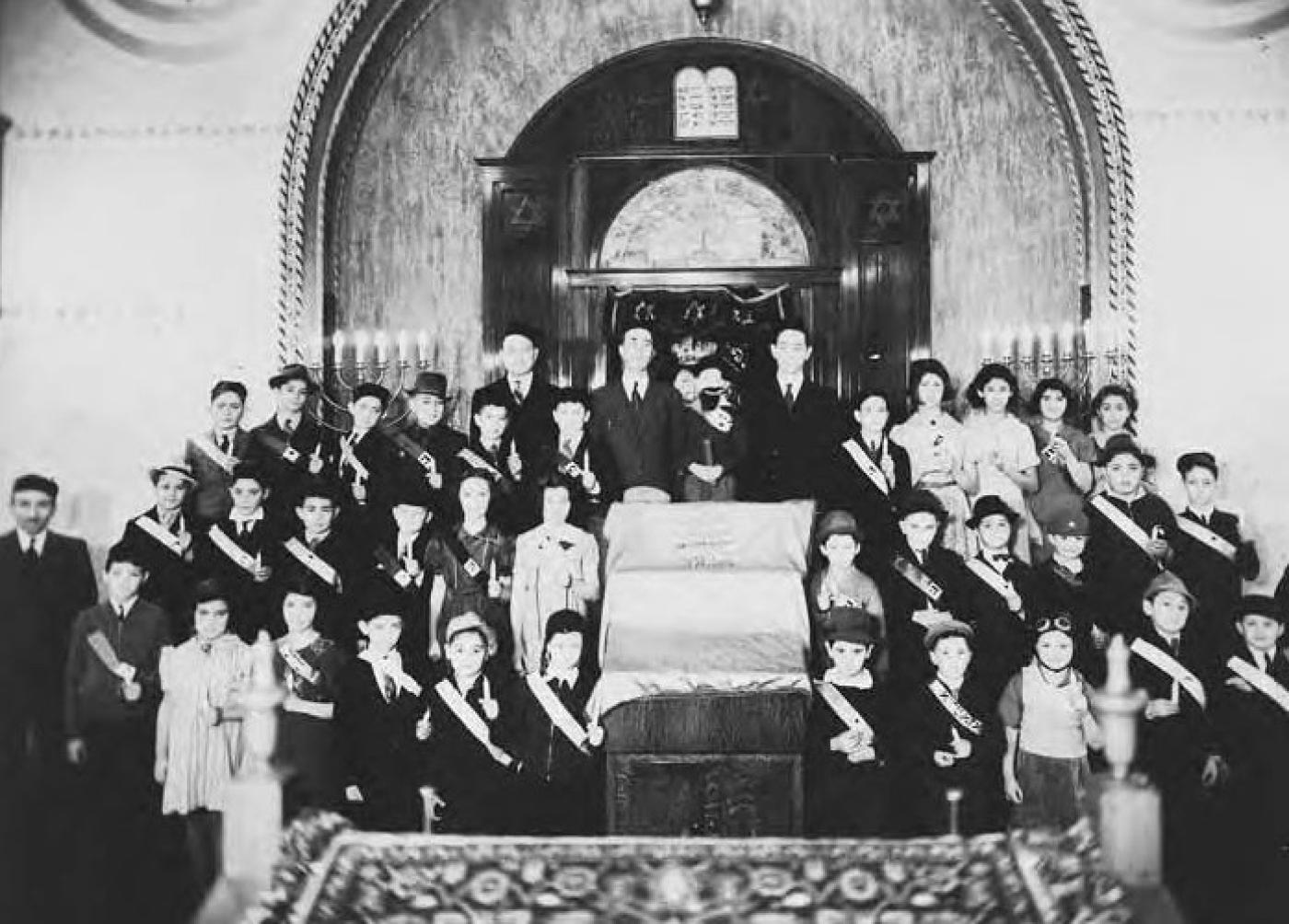
Established more than 100 years ago, Bikur Cholim Machzikay Hadath Congregation is Seattle’s oldest congregation. BCMH is the largest Ashkenazic Orthodox synagogue in the greater Seattle area. Congregation Bikur Cholim—Machzikay Hadath began with the founding of Chevra Bikur Cholim in 1891. The congregation moved to Seward Park in the early 1960s, and merged with Congregation Machzikay Hadath in 1971. On January 22, 1972, Congregation Bikur Cholim—Machzikay Hadath celebrated the official opening of its newly constructed Seward Park building with the bar mitzvah of a fourth generation member of the original Bikur Cholim.

Confronting Hate Together
Confronting Hate Together is a collaborative exhibit produced by the Black Heritage Society of Washington State, the Wing Luke Museum, and the Washington State Jewish Historical Society as a unified response and call to action against bias, bigotry, and division affecting our communities. The exhibit highlights shared histories, resilience, and the importance of solidarity in confronting hate. In September 2024, it was featured during a special one-night program and panel discussion hosted by Temple De Hirsch Sinai, with support and guidance from the Jewish Federation of Greater Seattle and its Jewish Communal Relations Council, helping foster dialogue, education, and collective action. To learn more about CHT and the exhibit’s post-launch developments, please visit our press releases. To listen to the CHT podcast, click here.

Dolls for Democracy
This exhibit showcases the B’nai B’rith Dolls for Democracy, hand-crafted by Cecil Bullard Weeks from the 1940s–1970s, depicting historical figures like George Washington, John F. Kennedy, and Haym Salomon. Originally created for the B’nai B’rith Women as educational tools, the dolls taught children that people of all backgrounds can contribute to society. Now the world’s largest collection of its kind, held by the Washington State Jewish Historical Society, the exhibit has been displayed at the Rosalie Whyel Museum of Doll Art and continues to travel to community venues.
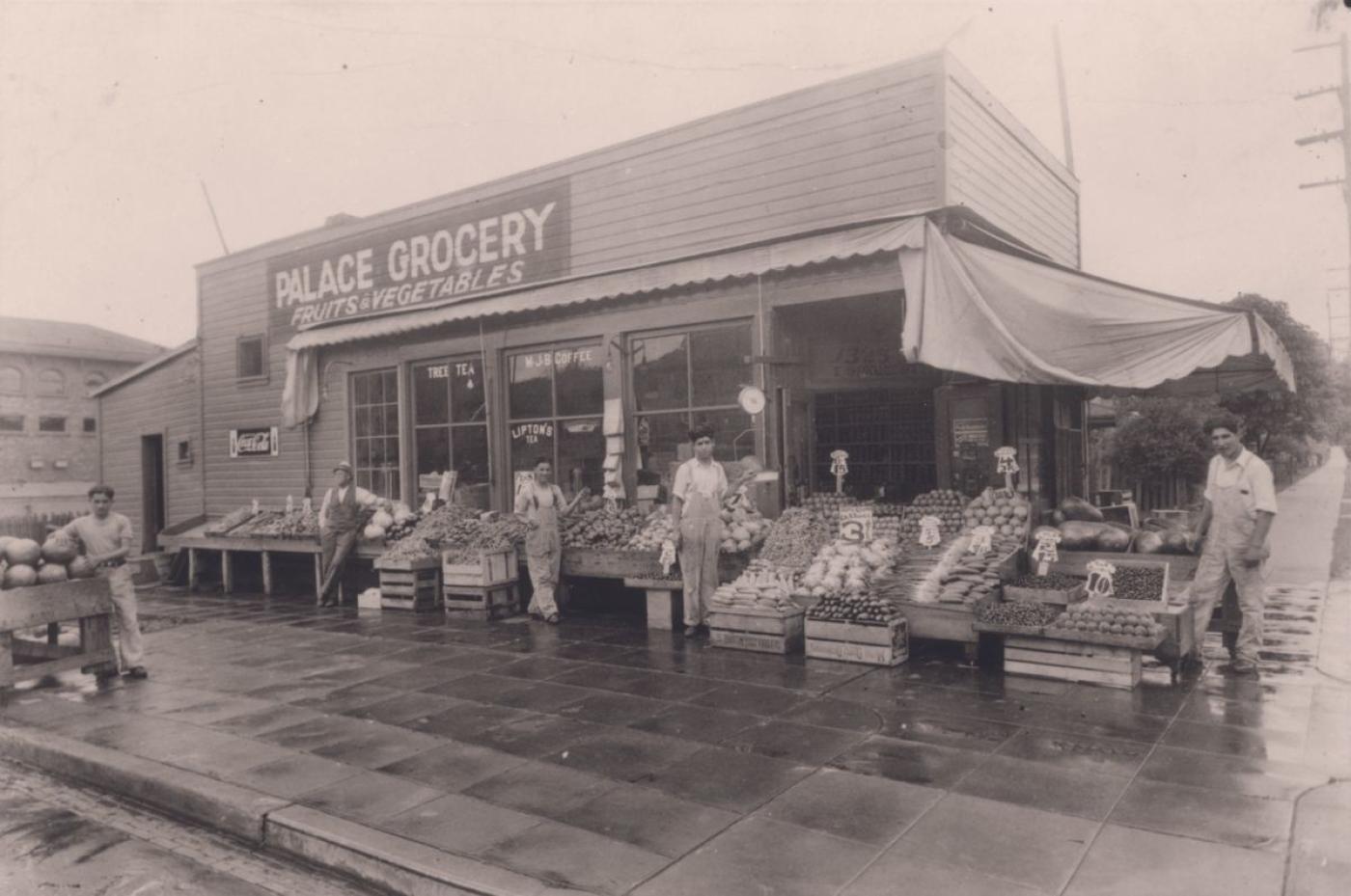
Discover Seattle’s Sephardic Story: A Guided Walking Tour
The Seattle Sephardic Walking Tour, offered by the Seattle Sephardic Network in partnership with the Washington State Jewish Historical Society, explores the rich history and culture of Seattle's Sephardic Jewish community. It focuses on the Central Area, where this community once thrived, highlighting its synagogues, schools, and businesses. The tour features community members as guides who share their personal stories and experiences. Interested in learning more about the Sephardic tour? View this playlist. This page is an extension of the Shalom! Sefarad exhibit. To listen to the associated podcast, click here.
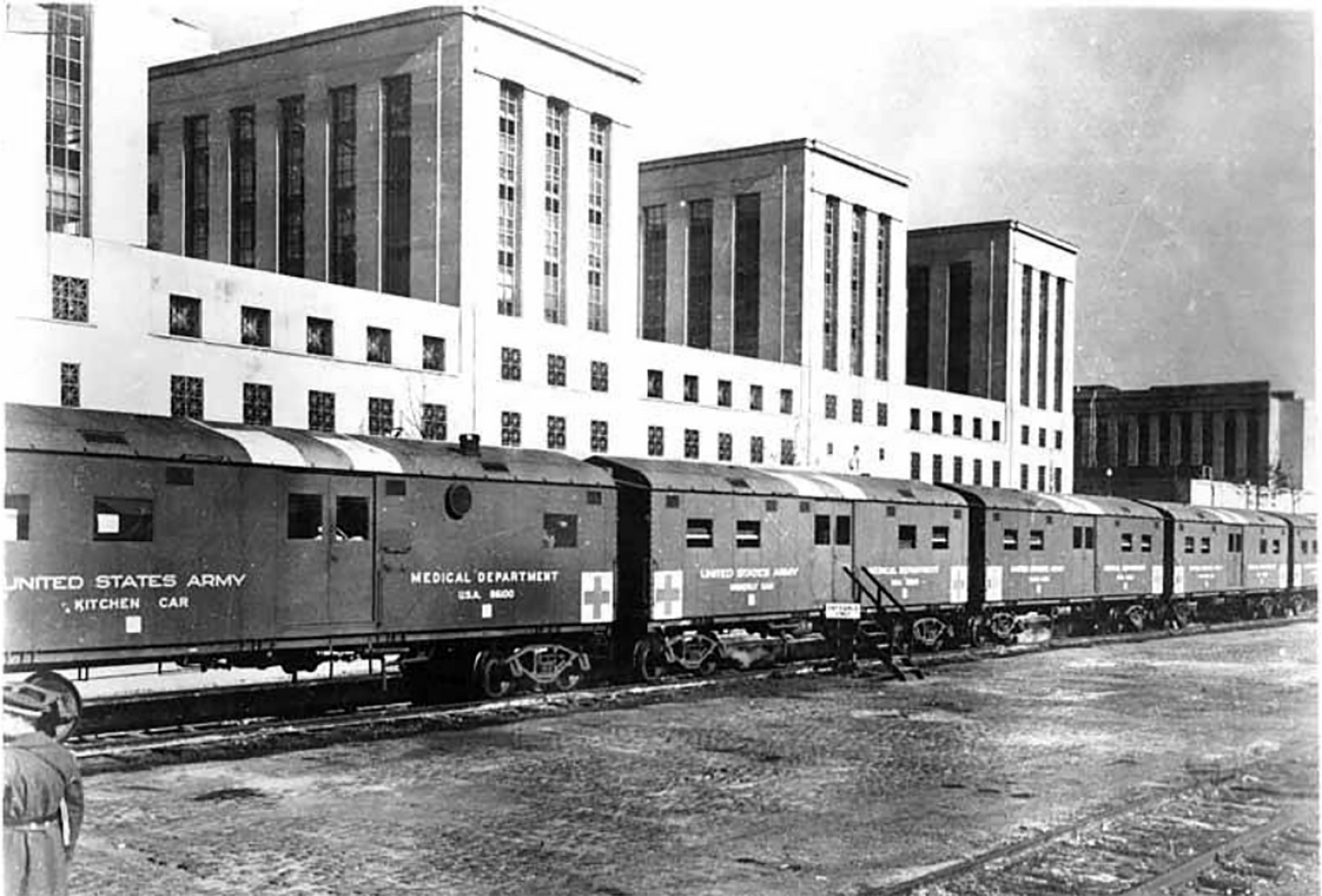
Haggadah: Telling Your Stories in the Time of Coronavirus
These stories, collected during the COVID-19 pandemic, preserve the everyday experiences of a historic period that might otherwise have been forgotten, documenting how suddenly life changed as synagogues, workplaces, schools, and universities were forced to shift online and ensuring future generations can understand the challenges and disruptions of the era. In 2020, the community shared their stories with us, reflecting on how their daily lives changed, how they stayed connected with friends and family during social distancing, how their education and businesses were affected, and how that year differed from any other. This provided a framework that helped us persevere. Interested in hearing more stories? View this playlist.
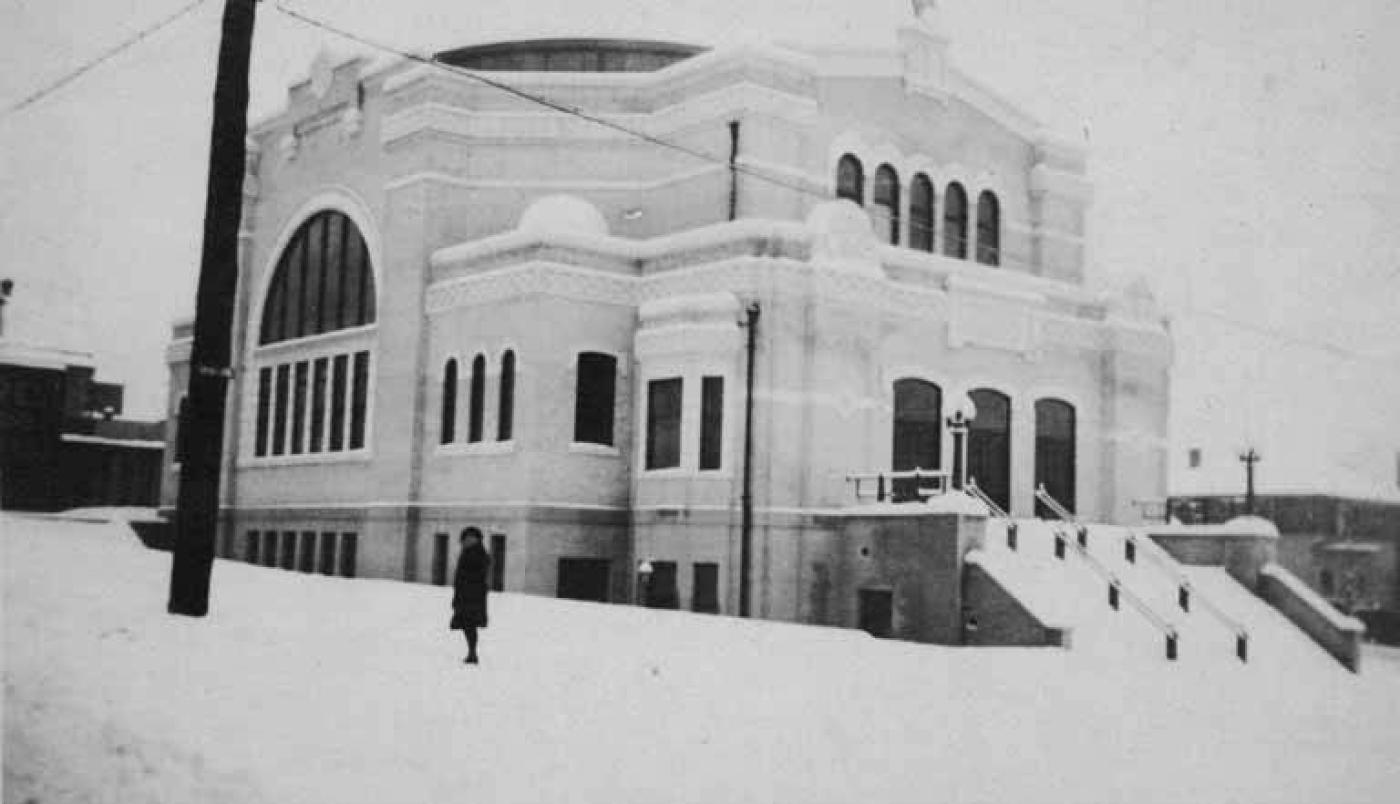
In the Land of Rain and Salmon: Jewish Voices of the Northwest 1880–1920
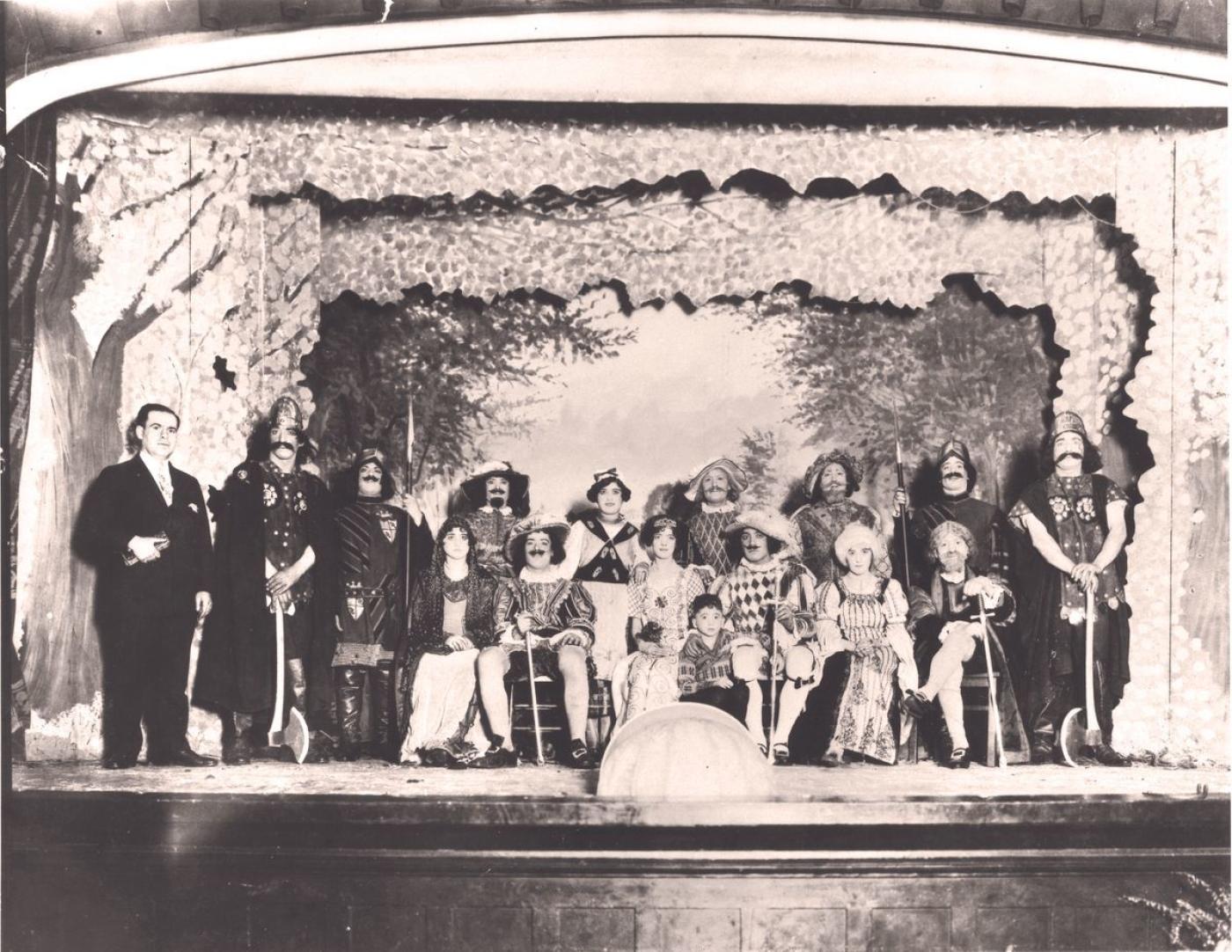
This theater production was created in collaboration with Book-It Repertory Theatre, using oral histories and archival materials to tell the stories of Jewish pioneers in Washington State. The script was developed with contributions from Lisa Kranseler and performed at the Langston Hughes Performing Arts Institute, the former Congregation Bikur Cholim synagogue, creating a meaningful return to a historic space for many community members. Through performance and place, the production brought regional Jewish history to life while connecting past generations with present-day audiences.
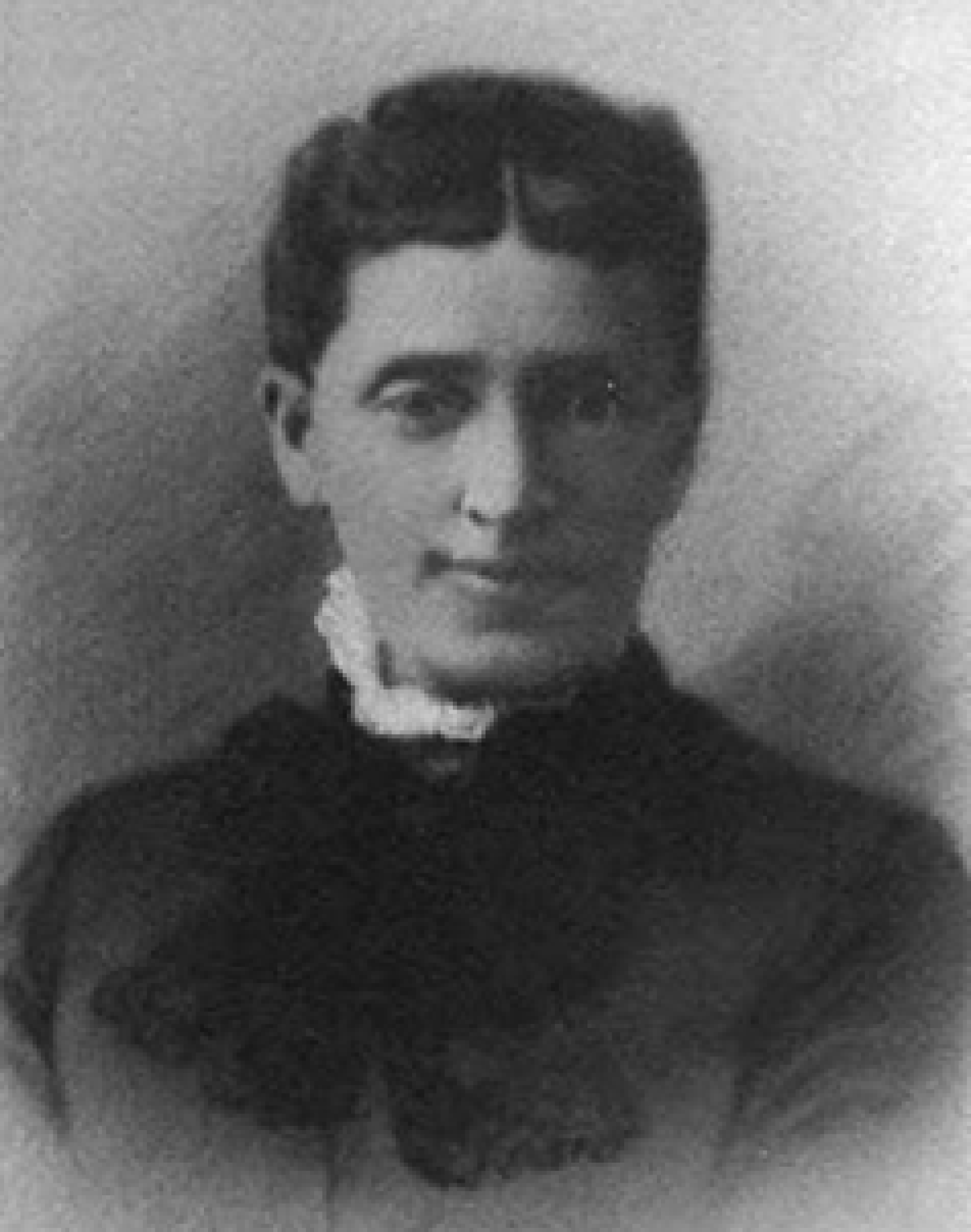
Kline Galland: A Living History
The Kline Galland Center is a nonprofit organization in Seattle providing nursing services, assisted living, and retirement residences. This collection highlights the growth of Kline Galland, the people involved, and its impact as a major institution in Jewish Seattle. The project is a collaboration with the Washington State Jewish Archives at the University of Washington Special Collections Libraries. Exhibits in the WJM will extend the existing Kline Galland Collection at the Jewish Archives, allowing them to grow over time. Current exhibits feature Faces of the Summit, Kline Galland Living History, Kline Galland Past Presidents, and special pages from the scrapbooks of Josh Gortler.
Open for Business: Jewish Enterprise in Washington State
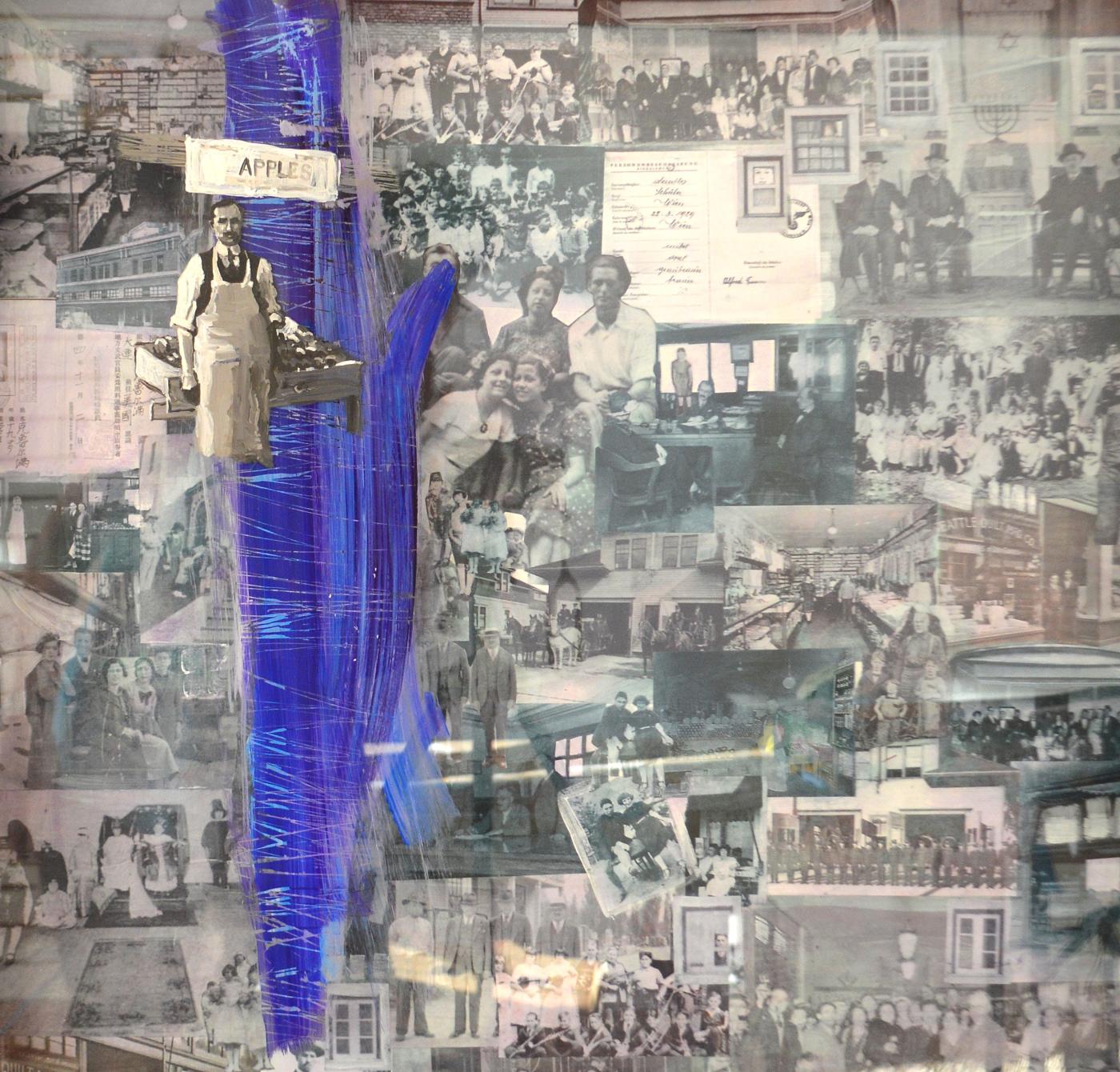
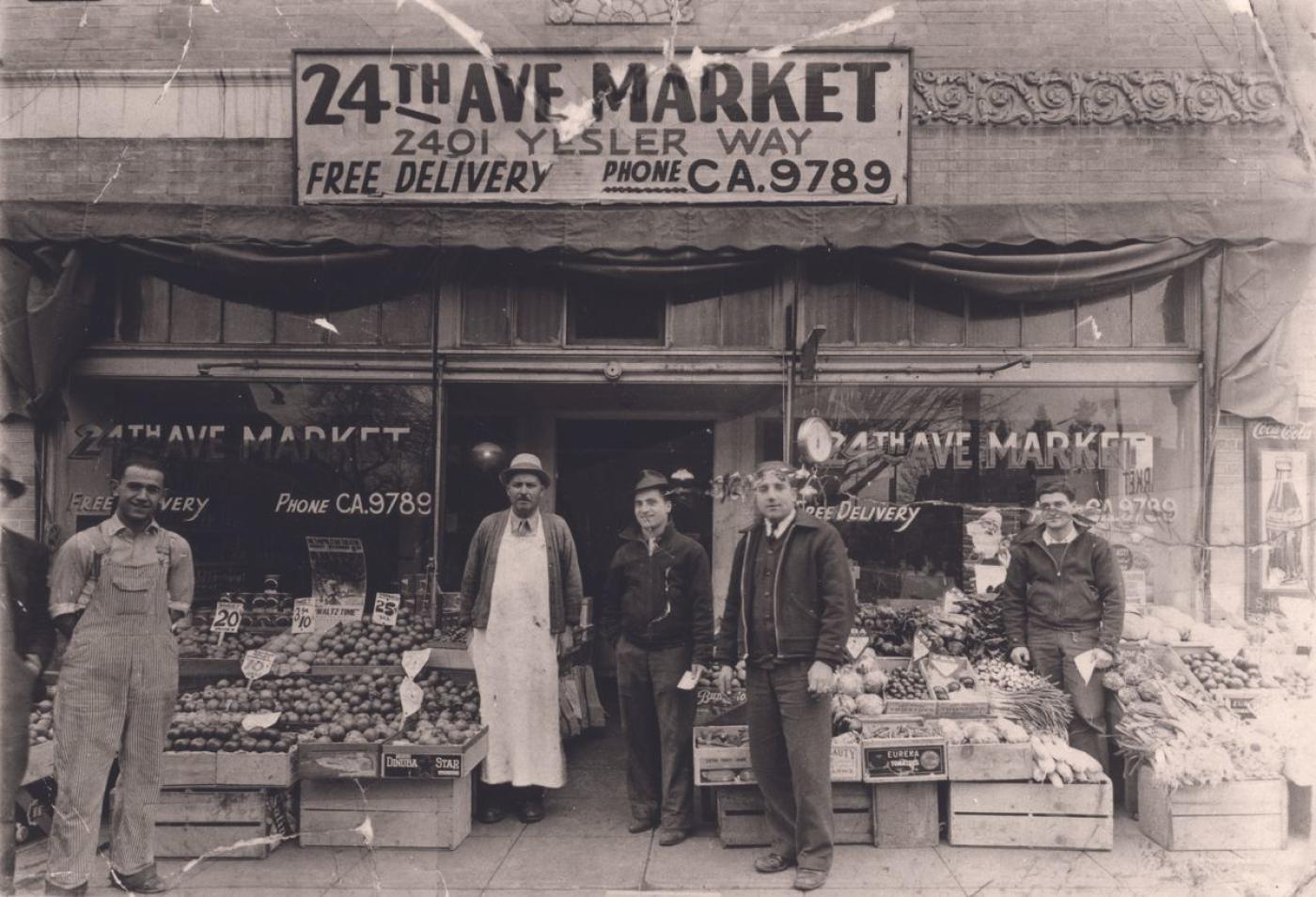
From neighborhood storefronts to landmark institutions, Jewish-owned businesses have helped shape Washington State’s economic and civic life. Who’s Minding the Store? (2009) was the first major effort by the Washington State Jewish Historical Society to document this legacy, highlighting more than 170 businesses and the entrepreneurial spirit behind them.
Building on that work, Shalom! Open for Business (2014), presented at the Museum of History & Industry (MOHAI), expanded the story through thematic curation and historic artifacts. Together, these exhibitions trace a history not only of commerce, but of community, continuity, and contribution. Have a story about this exhibit? Click here to share your story.
Passport to Washington
This digital exhibit explores the stories and lasting contributions of Jewish migrants to Seattle, highlighting their impact across fields such as arts, education, music, food and wine, science and medicine, public affairs, and technology. Curated by Joel Magalnick, former editor of JT News, the exhibit features thematic groupings of educators, legislators, scientists, and other leaders, each sharing their migration journeys, their contributions to Washington, and how their work connects to their Jewish values.

Soviet Jewish Experience: Washington State Stories
The history of Jews in Soviet Russia was defined by persecution, poverty, and state-sponsored antisemitism, from restrictions on religious practice to violent purges like the Night of the Murdered Poets and the Doctor’s Plot. Despite this repression, the Kremlin refused to let Jews emigrate, creating the “Refuseniks”—those denied exit visas who often lost jobs, homes, and their place in society. Their struggle gained international attention, with protests stretching from Seattle to Spokane. In this collection are the stories of those who led the fight for the freedom of Soviet Jews who ultimately built new lives in our state. These profiles are from "The Soviet Jewish Experience: Washington State Stories" digital exhibit. To listen to the associated podcast, click here.
Shalom! Sefarad
Shalom! Sefarad is a collaborative exhibit created by the Washington State Jewish Historical Society and the University of Washington León Center for Spanish and Portuguese Studies to explore how Sephardic Jewish life in Seattle continues to thrive more than 500 years after the expulsion from Spain. Supported by Honorary Consul Luis Fernando Esteban Bernaldez and director Anthony Geist, the exhibit debuted at the University of Washington Study Abroad Center in León, traveled across Spain with the Red de Juderías de España, and was later presented at the Stroum Jewish Community Center and the international Sephardic conference Erensya in May 2019. Interested in exploring more about Shalom! Sefarad? Check out this playlist. This page is an extension of the Sephardic Walking Tour.
Six-Generation Family Trees
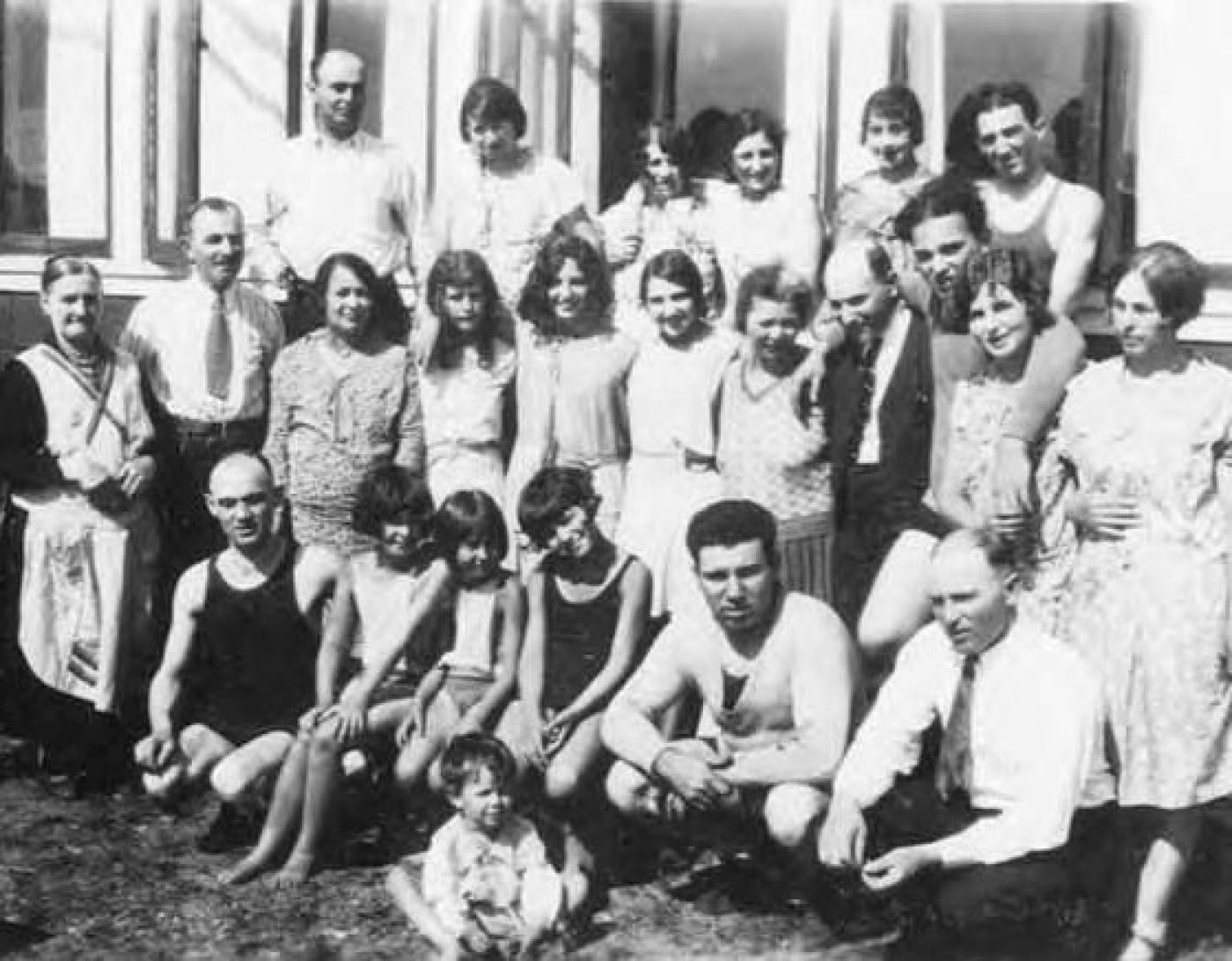
This exhibit, curated by Helen Stusser, showcases 77 six-generation family trees, revealing overlapping connections within the community. Displayed at Congregation Ezra Bessaroth, the exhibit featured artwork by Denny Warshal and genealogical research by Alise Tarica, offering hundreds of visitors a chance to explore their heritage—sometimes meeting cousins or extended relatives for the first time. Later re-curated into 11 panels, the exhibit traveled to the Stroum Jewish Community Center and other venues, celebrating the rich interconnections of Seattle’s Jewish families. Have a story about this exhibit? Click here to share your story. Please note that as of 2009, the family trees displayed in this exhibit had not been updated.
Samis Foundation: Life & legacy
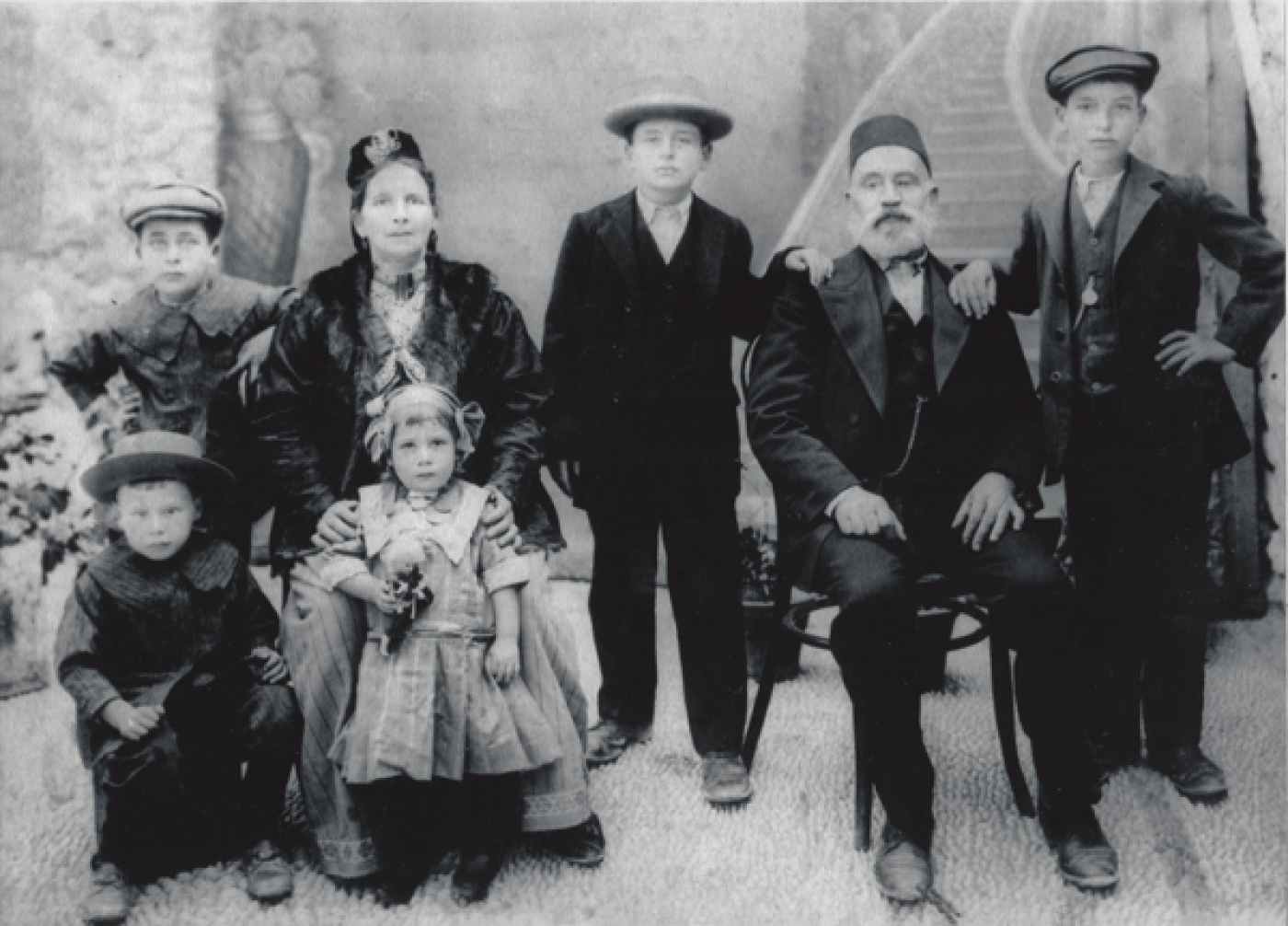
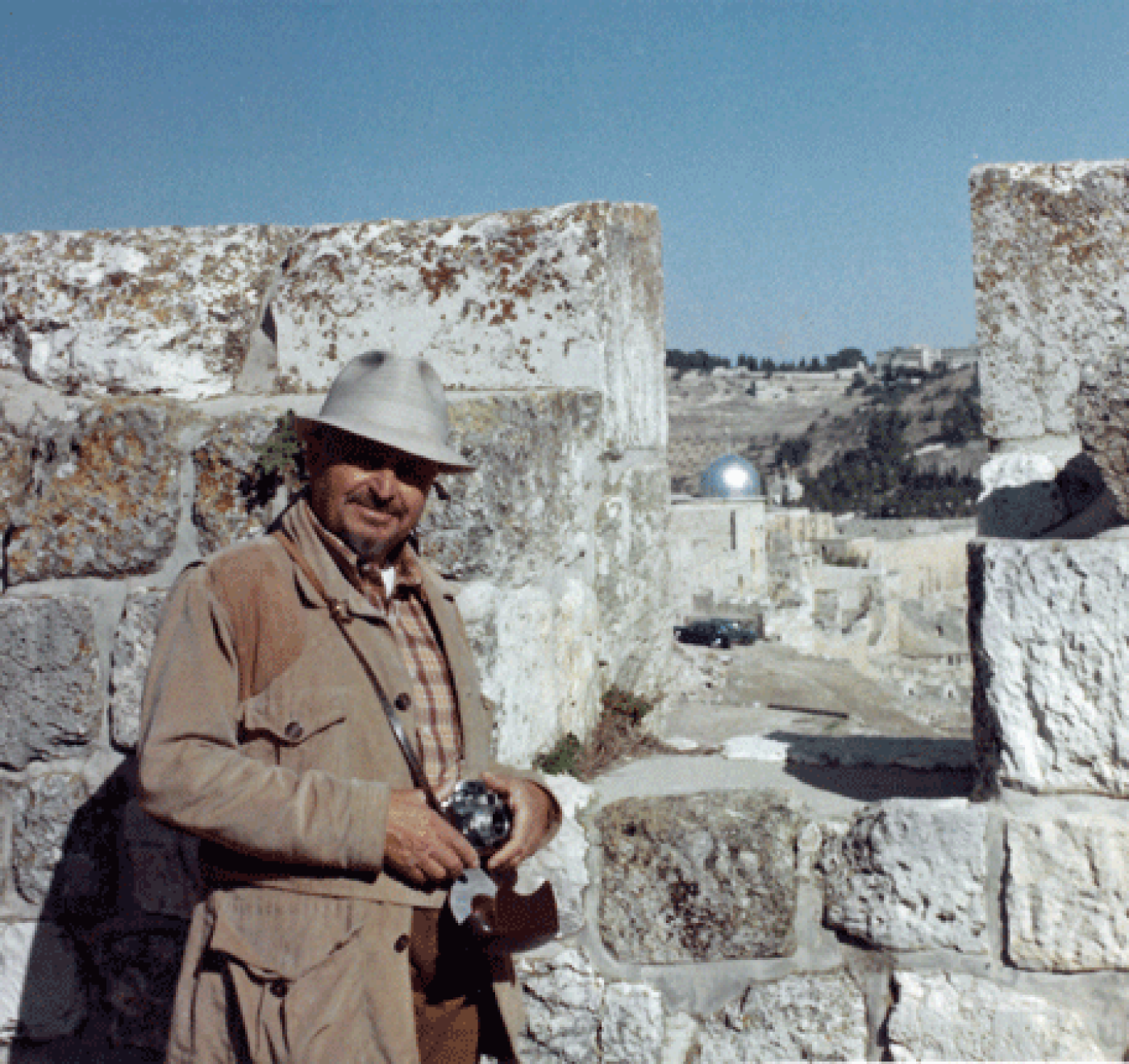
During his lifetime, Samuel Israel believed in giving back. Born in 1899 in the Sephardic community of Rhodes, then part of the Ottoman Empire, he and his family immigrated to Seattle in 1919. Sam had apprenticed as a shoemaker prior to emigrating to the US and, shortly after arriving, founded a series of successful shoe repair businesses in downtown Seattle, eventually landing a contract to repair shoes for the United States Army. Sam invested his earnings in real estate, amassing a significant portfolio of properties and assets currently valued at approximately $180 million. To view associated content with this exhibit, view this playlist.
The Musical Legacy of Samuel E. Goldfarb
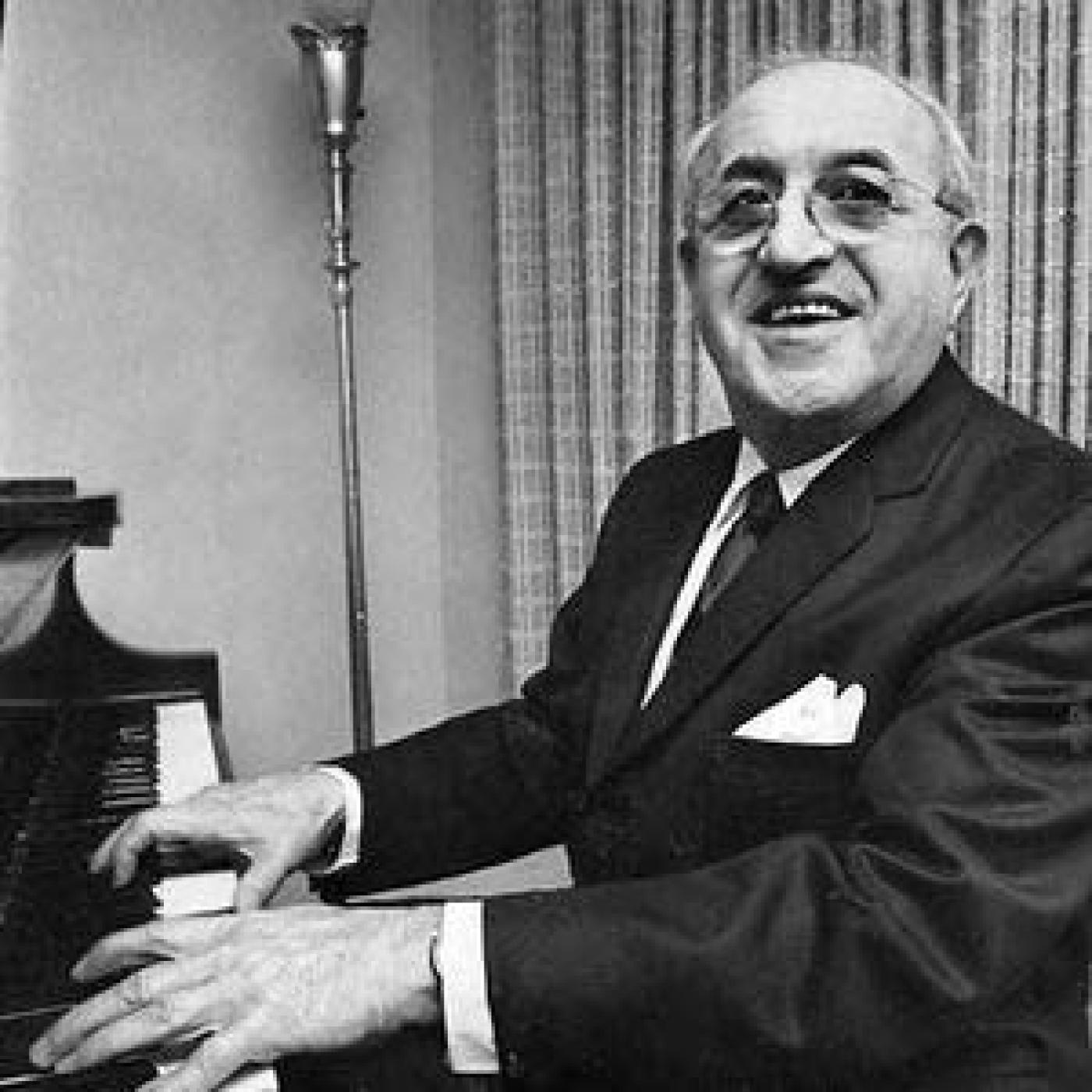
The Samuel E. Goldfarb exhibit page highlights a special June 2006 reunion concert at Temple De Hirsch Sinai that brought together former choir members under Goldfarb’s direction, inspired by his former junior choir director, Lucy Spring. The concert featured memorable performances, including Althea Stroum and a reenactment of a beloved duet skit by Lucy Spring and Kathie Barokas, celebrating his lasting musical legacy. A curated physical exhibit organized by Lisa Kranseler, with assistance from his grandson David Goldfarb, displayed artifacts honoring his life and work. The page also provides background on Goldfarb as a renowned American composer, longtime Temple music director, and creator of “The Dreidel Song,” whose influence shaped generations of Jewish music.
Twenty Years of Jewish Storytelling: An Exhibition of Memory, Identity, and Experience
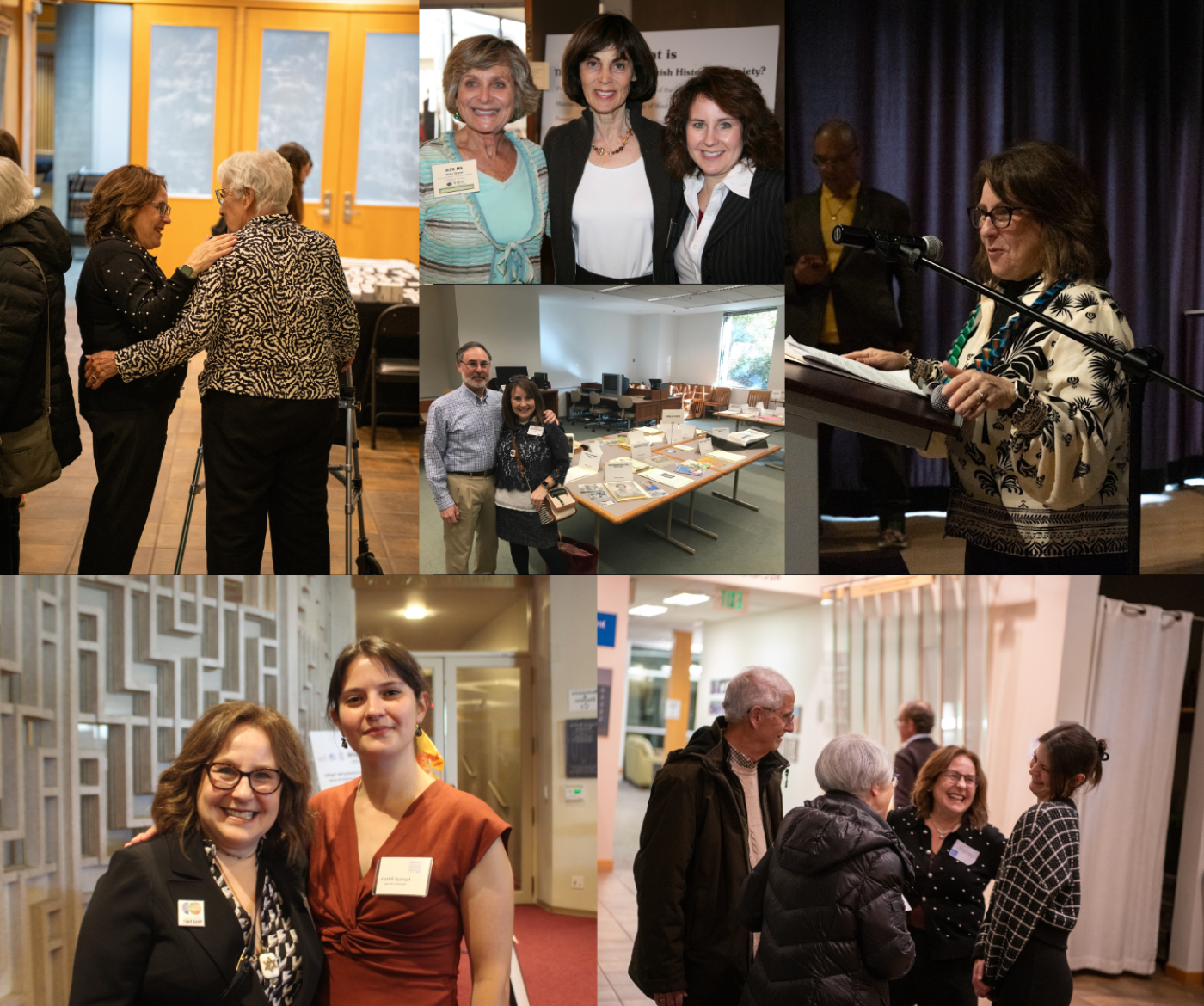
Presented by WSJHS, Twenty Years of Jewish Storytelling is an exhibit celebrating two decades of history, community impact, and creativity under Executive Director Lisa Kranseler. As her legacy project, it features highlights from exhibits, programs, oral histories, and publications documenting Jewish life in Washington. Using photos, archival materials, and a visual timeline, the exhibit explores immigration, family, business, sports, and community stories while showing the growth of the Washington Jewish Museum. Below are digitized exhibit boards; click images to enlarge, read descriptions, and learn more.