Samis Foundation
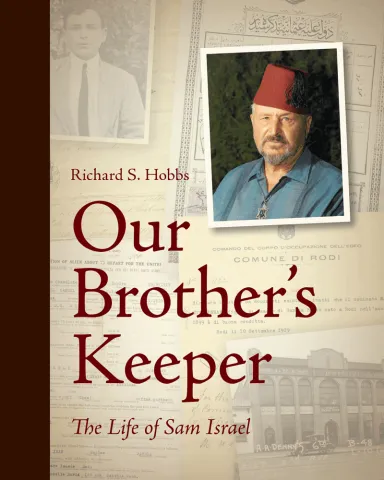
Sam Israel (1899–1994), a Sephardic Jewish immigrant and former shoemaker, arrived in Seattle in 1919. Through shrewd investments, he amassed over $40 million in property across Washington. Known for maintaining buildings and keeping rents low, he became an unintentional preservationist and arts supporter. A private and independent man, Sam was deeply devoted to Judaism, nature, and community. He generously supported organizations from the Seattle Hebrew Academy to the Boy Scouts, as well as wildlife and archaeological causes in the U.S. and Israel. He left his estate to the foundation he created to sustain Jewish education in Washington and vital causes in Israel.
Today, the Samis Foundation continues its legacy and its guiding belief: “We are our brother’s keeper.” Click here to hear the words of Samis Foundation Trustees who serve on Washington State's largest Jewish philanthropy.
The Life and Legacy of Sam Israel
Sam was born and grew up on the Island of Rhodes. He spent his youth in the Jewish quarter, the densely populated area located in the eastern section of the walled “Old City” built by the Knights of St. John and known as “la Juderia.” It remained a virtual Medieval town, noted for its intricate labyrinth of narrow, winding cobblestone streets and alleys, overhanging balconies, and tents and canopies that shaded commercial areas where merchants showed their wares. Among the network of twisting alleys and busy commercial streets were traditional fountains, Byzantine and medieval Gothic churches, mosques, picturesque shops, homes, and other buildings decorated with oriental motifs. Most dwellings, including the Israel family home, were whitewashed mud brick structures.
Sam grew up in a family whose life was an integral part of their community, distinguished by Sephardic religious practices, traditions, customs, and language. Their culture—an ancient and rich tapestry unique to the island, developed over the centuries after the 1492 Jewish expulsions from Spain birthed the Sephardic diaspora—was an intrinsic part of daily life, instilled by parents in their children as it had been for generations. The language of the Israel home and other Rhodeslis was Ladino, the Judeo-Spanish language rooted in a fifteenth-century Castilian dialect and flavored with multiple cultural influences from the Eastern Mediterranean, reflected in Hebrew, Portuguese, Greek, Arabic, Italian, and Turkish words and expressions. In the cosmopolitan community of Rhodes, Sam Israel became fluent in four languages--his native Ladino, as well as Italian, Greek, and Turkish—and he even learned a little French. From about 1906 to 1912, Sam attended the Alliance Israélite Universelle School for boys through his bar mitzvah, age 13.
In 1912, Sam had already been apprenticed for two or three years to a Greek shoemaker, who worked in the “best shoe shop” in Rhodes, according to Sam, which was owned by a Rhodesli. Here, Sam learned the trade of custom shoe making. Sam and two other boys worked under the “Greek Master” without pay, sitting on small stools for long ten and twelve-hour days, and after five years, he became a “full-fledged shoemaker.” Many years later, Sam recalled the experience: “He was the finest shoemaker in all of Rhodes. When I think of that man, I bless him. He only whipped me once.”
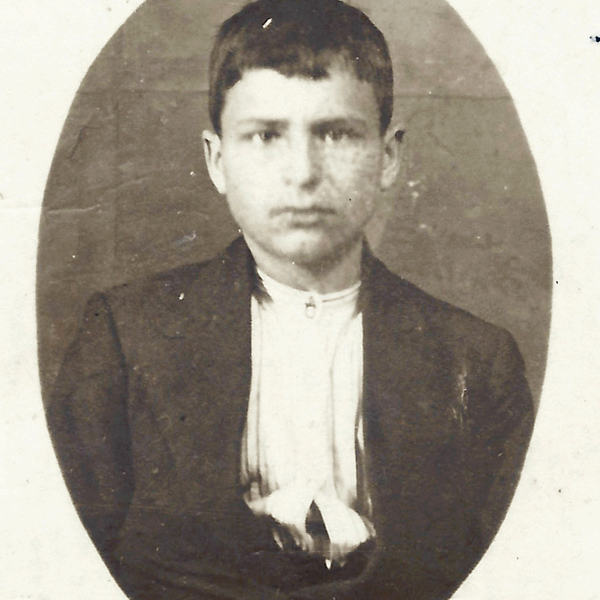
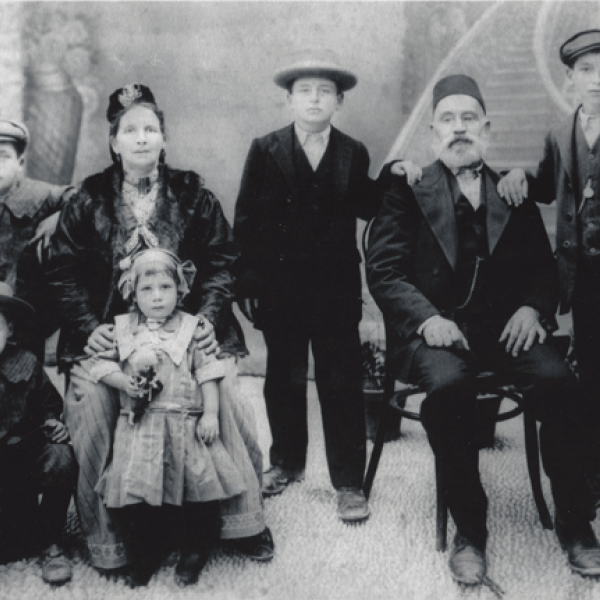
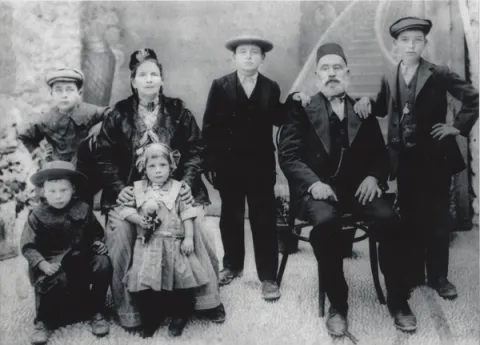
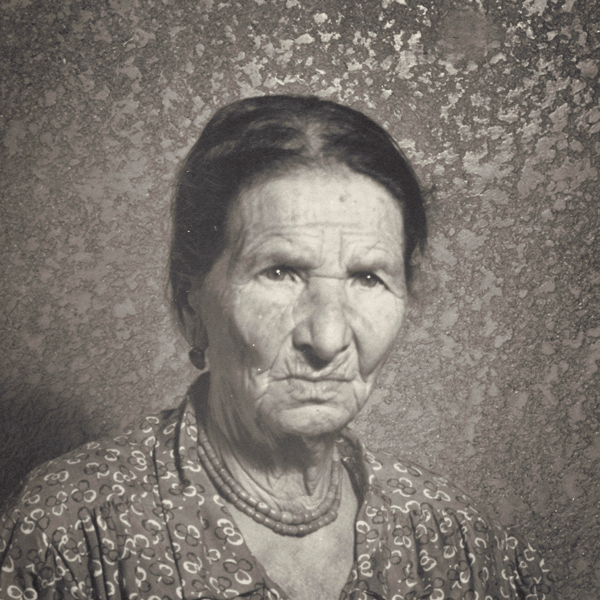
In 1912, Sam had already been apprenticed for two or three years to a Greek shoemaker, who worked in the “best shoe shop” in Rhodes, according to Sam, which was owned by a Rhodesian. Here, Sam learned the trade of custom shoe making. Sam and two other boys worked under the “Greek Master” without pay, sitting on small stools for long ten and twelve-hour days, and after five years, he became a “full-fledged shoemaker.” Many years later, Sam recalled the experience: “He was the finest shoemaker in all of Rhodes. When I think of that man, I bless him. He only whipped me once.”
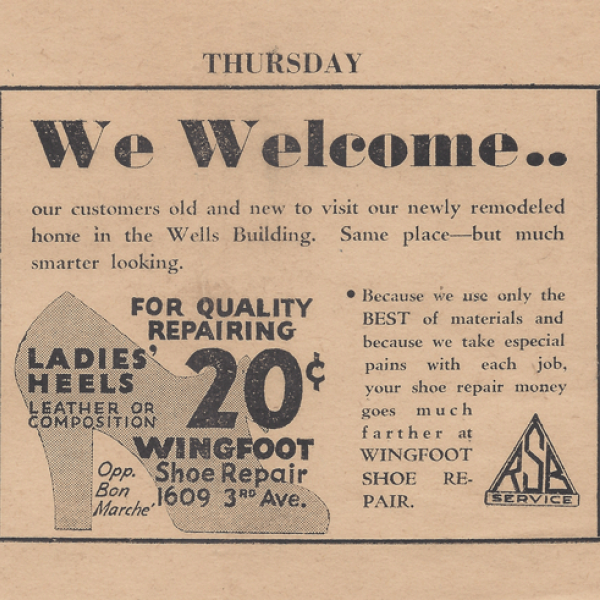
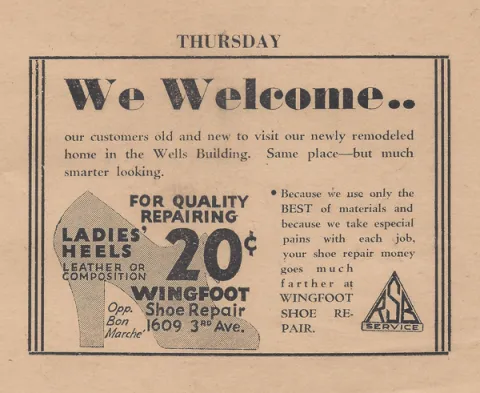
After immigrating to Seattle, Sam opened Wing Foot Shoe Renewing at 1609 3rd Avenue, the fourth family shoe repair shop. Sam’s success in the shoe repair business enabled him to help his brothers in the trade, as well as to begin making investments that would become the hallmark of his career. Eddie Hasson recounts this story he heard from Sam: “He lived at home with his parents. He walked from 18th and Spruce to where his shop was every day. He wasn't a big spender. So, he started buying properties, and he told me that the reason why he bought properties was because of the experience of his parents, who lost pretty much all their savings when they left the Isle of Rhodes.” The lesson lasted a lifetime. In 1980, Sam reflected, “For that reason, I didn't keep any money, didn't believe in keeping any money, had no value. And bought real estate, the most secure thing that I could think of. I own no stocks; no partnerships with anybody but my brothers; no share of stocks of any kind; no savings accounts.” He counseled his nephew Eddie, “The last thing you should keep is money. But property and land will always be valuable.”
Sam’s careful stewardship of the family shoe repair shops brought steady growth despite the fact that Seattle and the rest of the country entered the economic crisis of the Great Depression. Large numbers of building owners suffered bankruptcy and properties could be bought for astonishingly low prices, often for only the back taxes owed. The clearest sign of Sam’s financial savvy was the increasing number of his property purchases as the 1930s progressed. In the six years between 1933 and 1939, he acquired seventeen properties for sums ranging from $600 to $42,577.
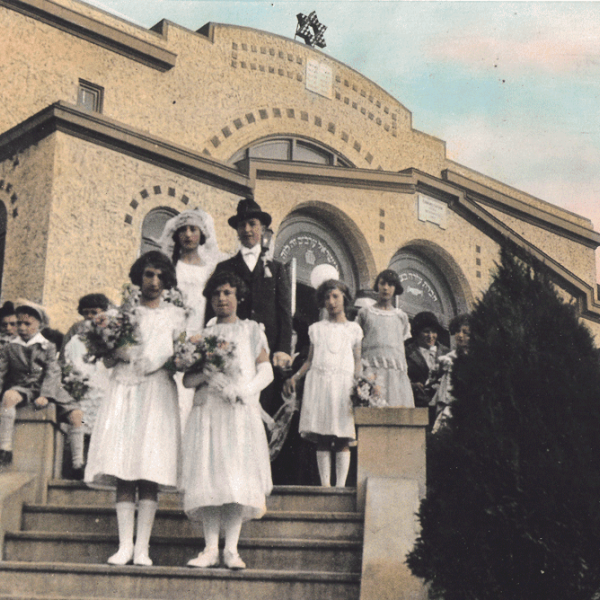
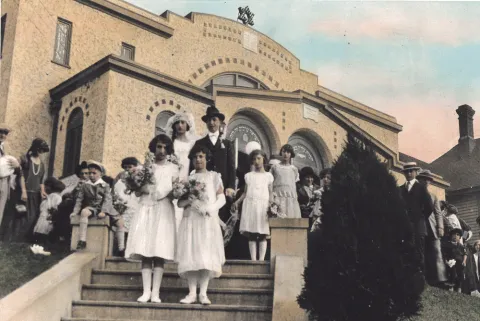
The energy that Sam devoted to his shoe shops was mirrored in his hobbies—hiking, skiing, bodybuilding, fishing, and photography. In September 1924, Sam’s brother Morris (age 24) married Gentil Levy (age 19) at Congregation Ezra Bessaroth. By this time, Sam had become an avid—and talented—amateur photographer. Sam’s photograph of the wedding party on the steps of the synagogue later became widely circulated (including appearing on various websites, such as the Ellis Island Immigration Museum, the Rhodes Jewish Museum, and the University of Washington), although he has never been credited.
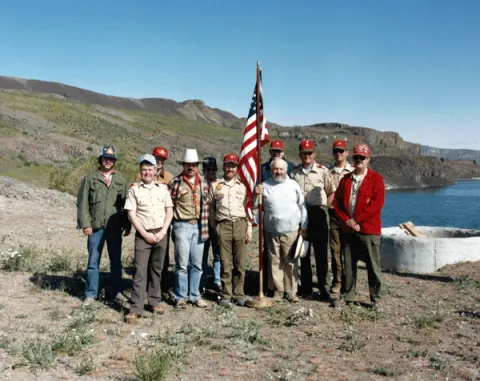
In late 1939, Sam (and many others) believed that it was “a question of time, there's going to be a war,” as Sam said. The Army base at Ft Lewis, south of Tacoma, issued a request for bids to repair shoes and boots. More than a year would pass before the country entered the conflict, but the Army needed a major shoe repair contractor in the Northwest. As the U. S. geared up for war, so did Sam. He had been doing work for the government, and a new request for bids prompted a crafty move by the shoemaker. All of Sam’s competitors bid over $1.50 per pair, and his bid of $1.25 won the contract. Business was brisk, and profits soared. Sam’s operation needed more space and to be fast. To meet the demand, in April 1942, just five months after the U.S. entered World War II, Sam purchased a building near Wing Foot Shoe Renewing at 2107-2111 Third Avenue (on Third and Lenora) and named it the Army Building. He set about installing equipment and systems for mass production. Since they worked on only one style of footwear—the Army boot—they needed only one type of machine, and operations could be streamlined.
In the late 1940s, Sam began acquiring property in Soap Lake, his family’s traditional vacation spot. By 1960, he made the move from Seattle and became a permanent resident of the area. Sam lived in a small, one-room wood house—more of a bunkhouse or cabin, roughly seven feet wide by nine feet long--that was sparsely furnished, containing only the bare necessities of life. It was, says Eddie Hasson, “modest, to put it mildly.” At the far end, there was a small bed with slats and a twin mattress. There were two plain wood dressers, and the tops served as counters. Next to the bunkhouse stood the pump house, which had a cement floor, a shower, a washing machine, a toilet, and a tiny kitchen with a stove, refrigerator, plus a plain table with a couple of chairs. During the warmer months, Sam slept outside on a cot. Nearby were refrigerators—not plugged in and not cold—that he used for storage, including food for his small group of rescue dogs. The pack of strays, usually numbering a half dozen and all affectionately named “Mariuch”—individually and collectively—was a happy if noisy group of mixed breeds, mostly German Shepherds. “He lived that way,” recalls Eddie Hasson, “for at least 25 years.”
In 1958, Sam purchased breeding stock registered Hereford cattle from the W. E. Boeing estate in Falls City, Washington. By November 1961, the Samis Hereford Ranch counted more than 100 head, including 16 bulls and 3 milk cows. The venture proved unprofitable and lasted less than a decade. In December 1967, Sam announced a dispersal sale of 250 head of registered Hereford cattle by Samis Hereford Ranch, to be held at the Central Washington Livestock Market in Quincy, Washington. It marked the end of Sam’s nine-year venture into the business of registered cattle breeding.
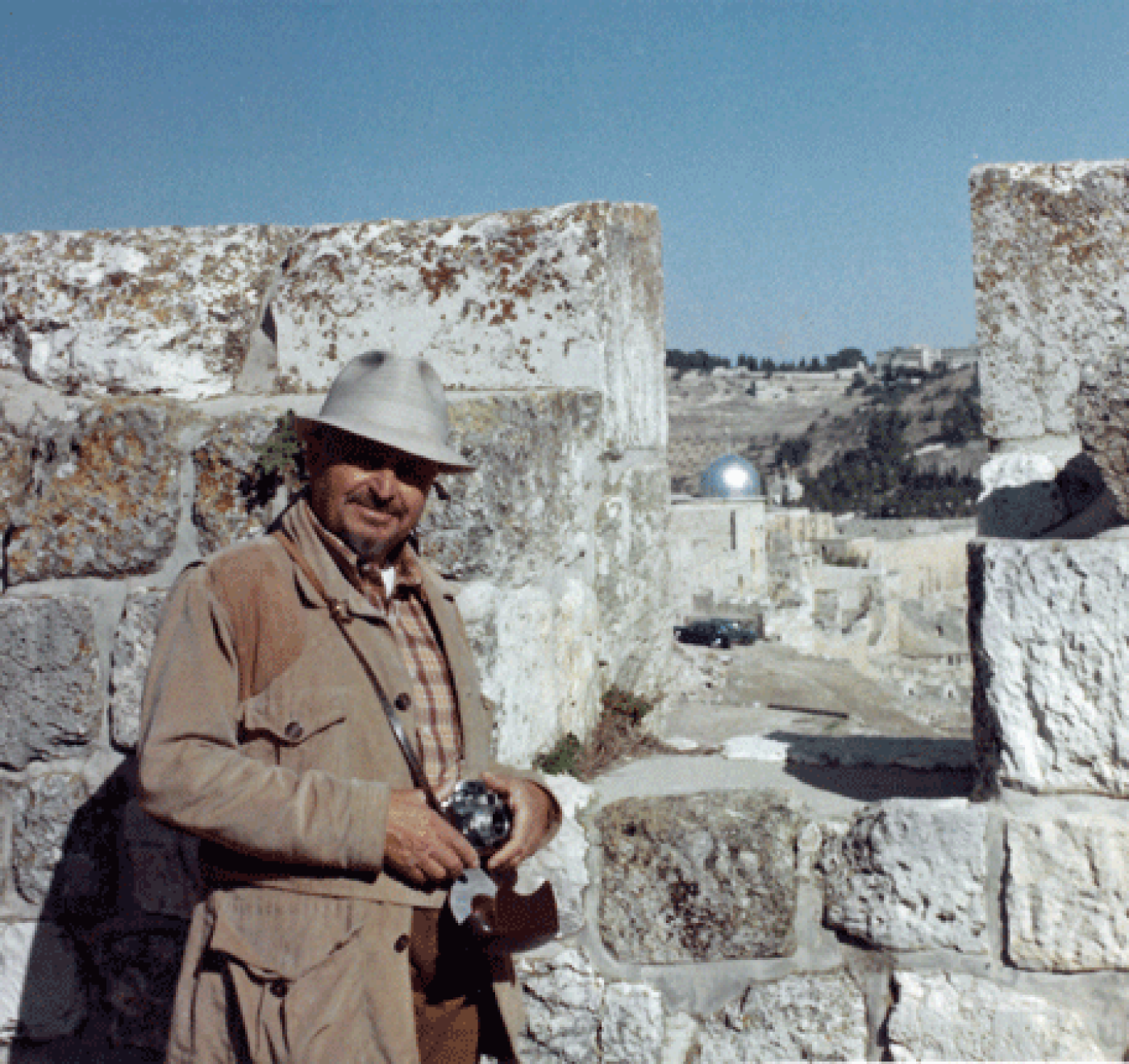
For years, Sam dreamed of going to Israel. In September 1973, Sam purchased airfare to Israel, with return via Athens and Rhodes, then Rhodes to Athens to NY, and NY to Spokane. The planned departure was October 11, with arrival in Tel Aviv the following day. However, the trip was delayed by the 1973 Yom Kippur War, October 6-25. Finally, he left around November 1 and returned three weeks later. It was a landmark in Sam’s life, perhaps, as Eddie Hasson says, “the highlight of his life.” Sam had always been doing mitzvot, but after the Israel-Rhodes trip, his charitable works were more elaborate, more numerous and frequent, and more generous, ultimately culminating in the creation of the Samis Foundation six years after the fateful journey. Sam couldn’t stop raving about how wonderful the country was and saying, “We have to do things to help them.” Sam assembled a slide show and began going to grade schools, high schools, church groups, and civic organizations in Grant County to talk about Israel. “He called it ‘on the circuit promoting Israel,’” recalls Eddie. “He would start the slideshow with a tape recorder and play his favorite song that began, “When Israel went out of Egypt ’—it’s in Hebrew, and my brother Robert sings it—and he ended the show with the sunset over Mandraki Harbor in Rhodes.”
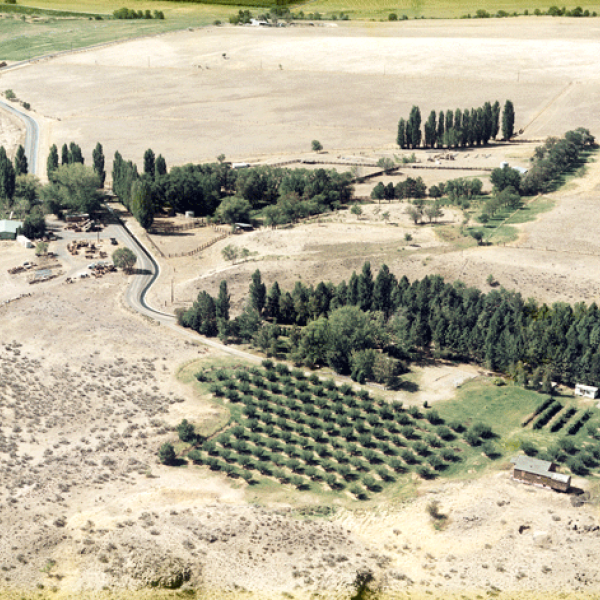
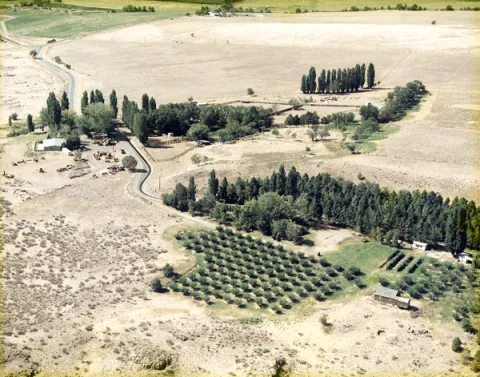
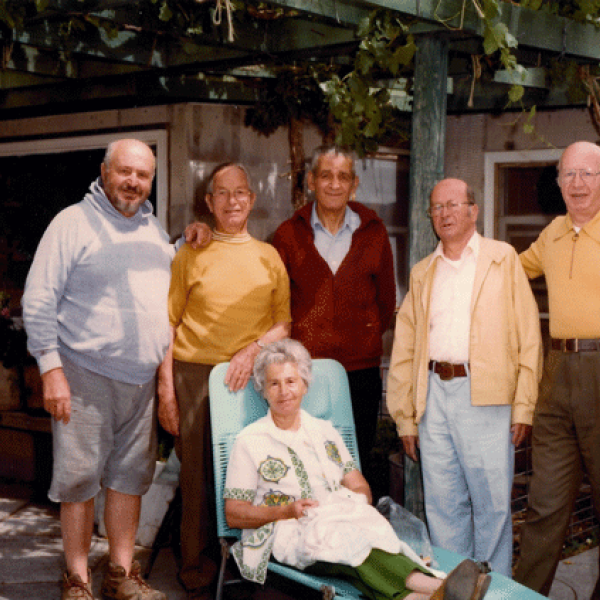
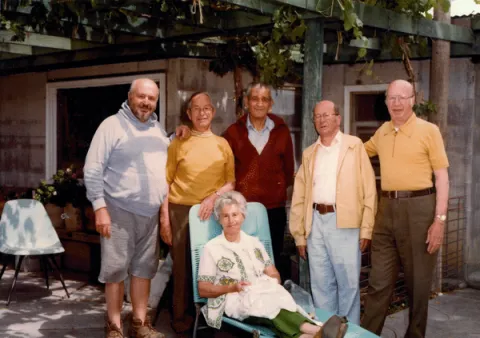
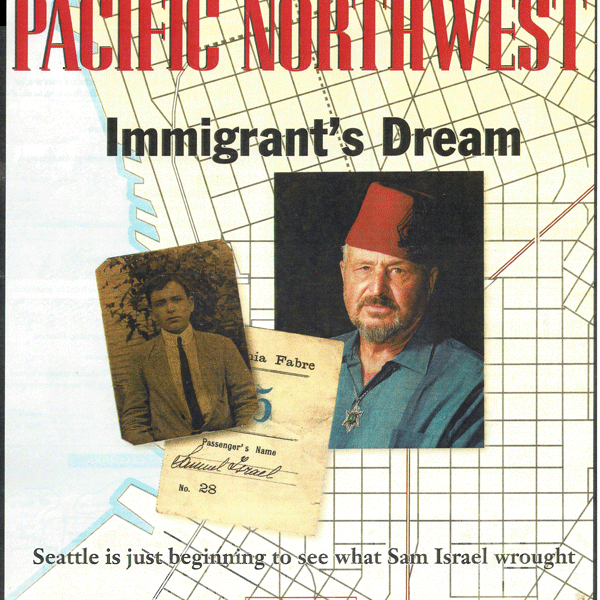
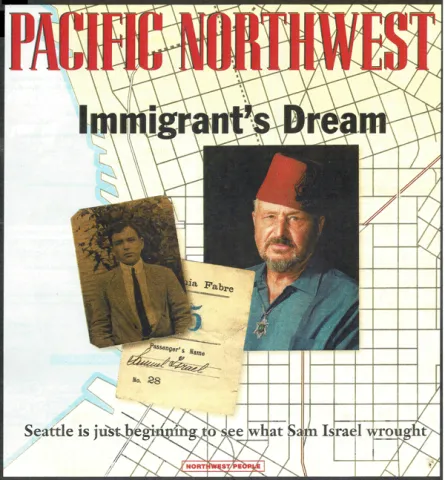
Sam Israel had been doing charitable deeds and making donations to organizations since at least the 1930s. In the Seattle area, Sam was a longtime and devoted supporter of many Jewish and secular causes. He contributed to the Red Cross, the Community Chest, Congregation Ezra Bessaroth, the Jewish Federation, Seattle Hebrew Academy, Caroline Kline Galland Home for the Aged (commonly called the Kline Galland Home), and various Israeli charities. In November 1984, Sam paid off the mortgage debt of Seattle Hebrew Academy on the condition that it would never again mortgage the property.
In 1981, Sam, at the age of 82, was the largest single landowner in Seattle, and one newspaper tagged him, “Tops in State Property Holdings.” His properties, an eclectic assortment of buildings, parking lots, vacant land, timberland, and lakefront lots, were spread out from King and Snohomish Counties in Western Washington to Grant and Douglas Counties in Eastern Washington. At the root of Sam’s accumulation of property lay a complex of personal and family history, and a keen awareness of Jewish history. It fueled a drive to collect properties as a means of gaining security, a way to feel he would not become a man, like his father, who saw his savings in Italian lire evaporate by inflation, or like fellow Jews who had been persecuted for centuries. He explained to one reporter: “It’s the nature of the Hebrew, being persecuted for centuries, never being able to be a citizen.… Jews couldn’t buy land for many years. It’s by nature that you seek protection. All foreigners are the same way. They don’t believe the government owes them anything. They need wealth.”
KING-TV reporter Jack Hamman interviewed Sam in late 1984. During the interview, Sam shared some of his personal views. “I’m 87 years old; next month I’ll be 88 years old. When I get up in the morning, I feel it’s a gift of God that I’m living that day, and I’m not out to make money or to hurt anybody. Now, what’s gonna happen to me now? Some of these mornings, I may not wake up. Every morning I thank God for it, it’s a gift from God. One morning you’ll read, and I’m not going to wake up. If they catch me in the morning, early in the morning, and I’m dead before sunset, I’ll be six feet underground. They’ll take my body, and they’ll wash it with soap and water, and they will wrap my body with a piece of white cloth. That is a bed sheet; we call it “mortaja” [shroud] in Spanish. With the white sheet, the richest of the rich and the poorest of the poor, the white sheet. We come naked, and we go naked; that’s the book, that’s the way we live. Money doesn’t mean anything, can’t take it with us, we believe in our books, and we practice.”
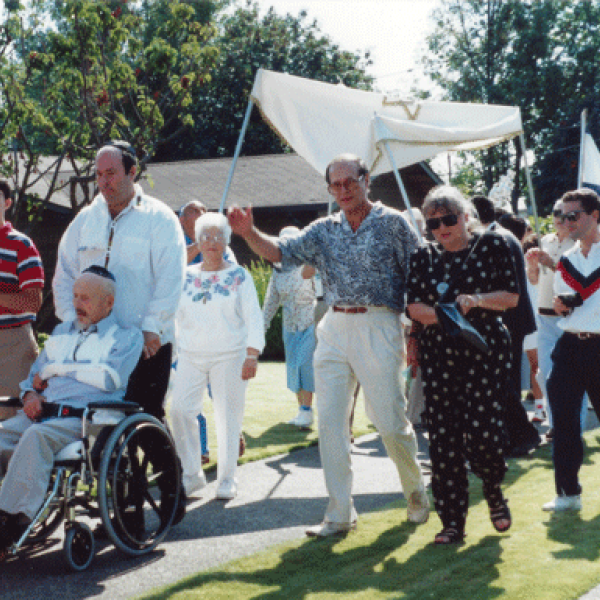
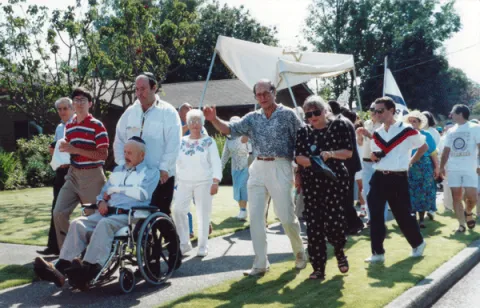
In August 1991, Sam was honored for the purchase and donation of a Sefer Torah to Congregation Ezra Bessaroth. On a sunny August afternoon, a colorful and lively procession walked the two-mile distance north from Kline Galland to Congregation Ezra Bessaroth. Michael Toobert pushed Sam in his wheelchair, and Sam’s family (Israels and Hassons), plus various other members of the Congregation, took turns carrying the Sefer Torah under a chuppa (marriage canopy) along the sidewalk. The group of some 300 marchers stretched for blocks, with a Seattle Police Department motorcycle escort blocking traffic at intersections for everyone’s safety. The enthusiastic celebrants, representing all three Orthodox synagogues in the Seward Park area, joyously sang and danced along the route.
Jewish Day School Education
At the Foundation’s inception, Samis trustees identified Jewish day school education in Washington State as the number one priority of the Samis Foundation. Over the past twenty-seven years, Samis has impacted thousands of Jewish lives through its day school philanthropy, providing over $80 million in grants to local day schools. Today, day school philanthropy remains the largest funding area of the Foundation. Samis is proud to support Jewish day schools in the Seattle area, including Jewish early childhood, middle, and elementary schools and Jewish high schools. Samis is dedicated to ensuring that local day schools are models of academic excellence, providing the highest quality Jewish and secular education.
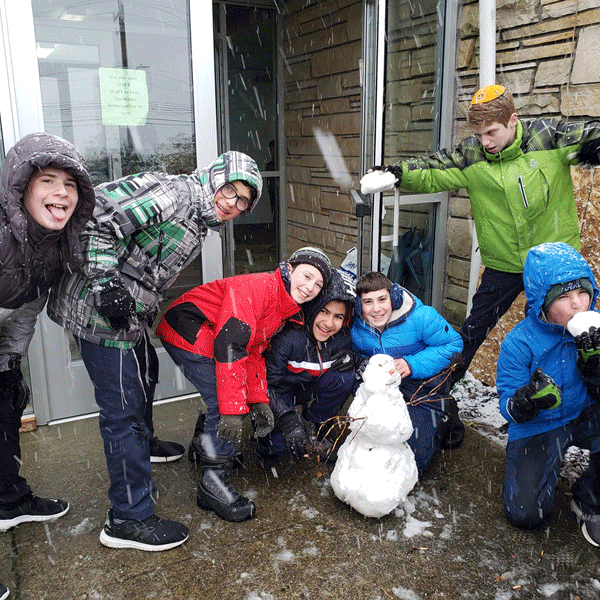
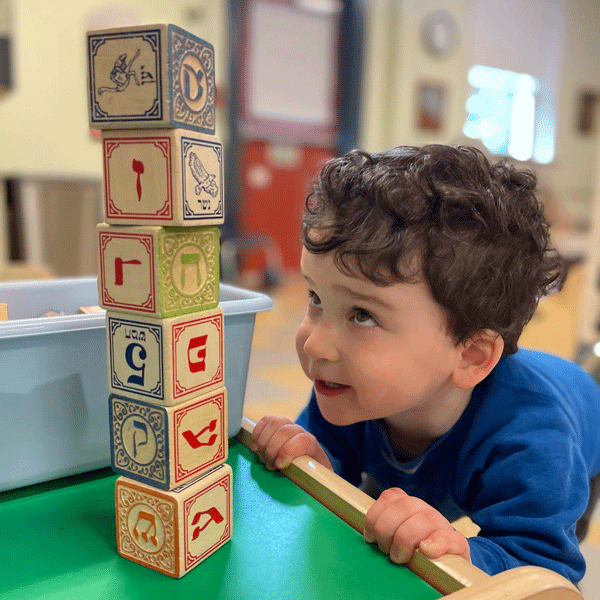
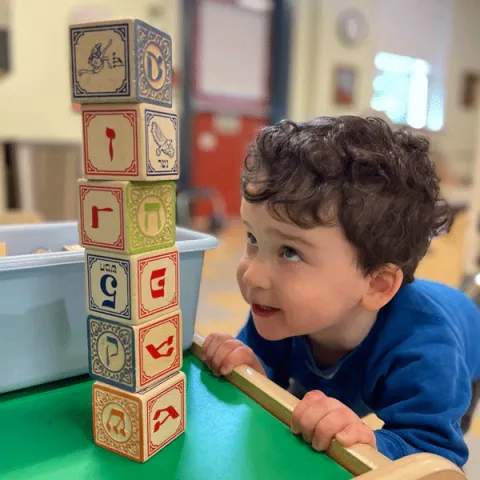
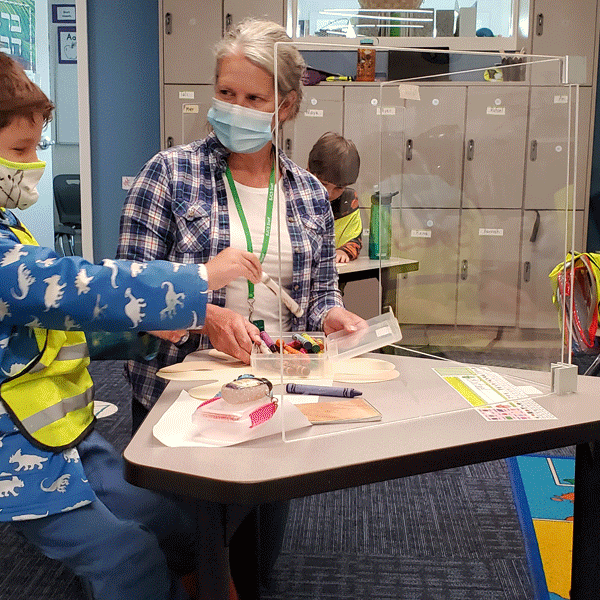
Samis is working to strengthen the day school ecosystem in Seattle. Informed by research, data, and analysis, Samis is engaging key leadership, stakeholders, and partners to lead an effort to revive Jewish day school education in the greater Seattle area. While Seattle’s Jewish day schools currently serve a relatively small number of students, Samis’ continued investment and strategic plan to support day school sustainability, vitality, and growth will pay dividends for future day school students and the entire Jewish community.
Samis’ objectives in day school education include encouraging collaborations, co-locations, strategic alliances, and reorganizations to increase sustainability and vitality, making day schools more affordable, increasing day school excellence, and developing a day school partnership strategy across the greater Seattle community with key stakeholders.
Experiential Jewish Education
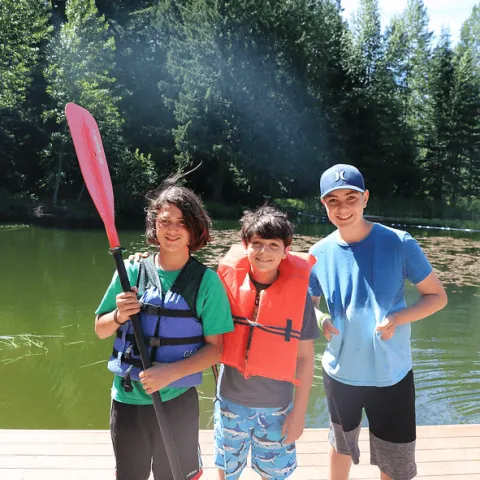
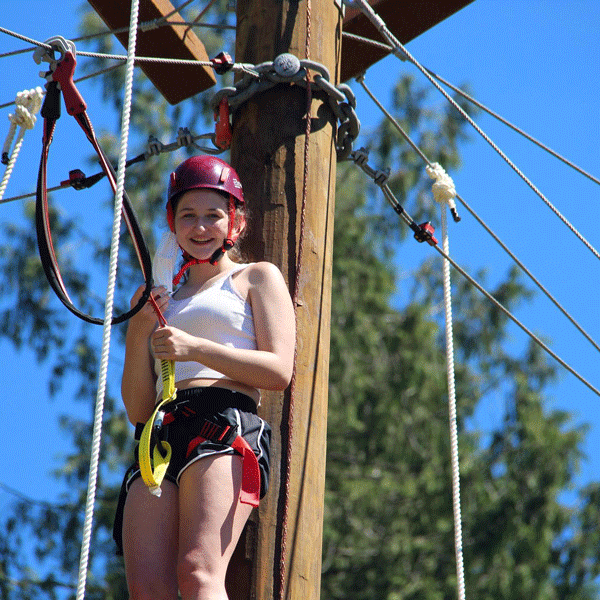
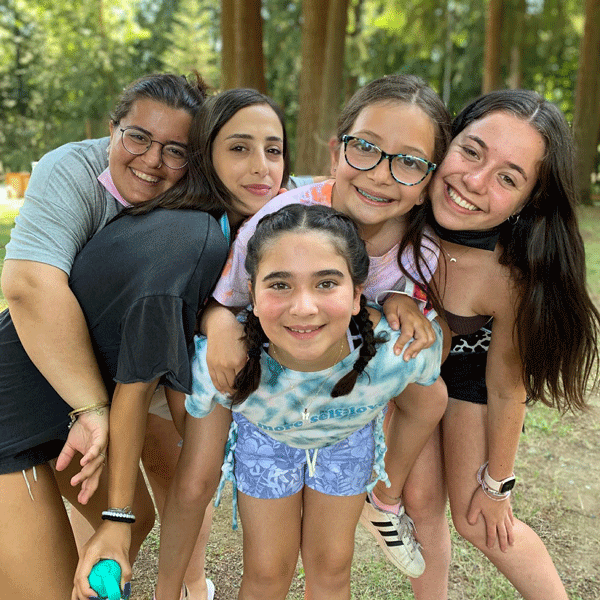
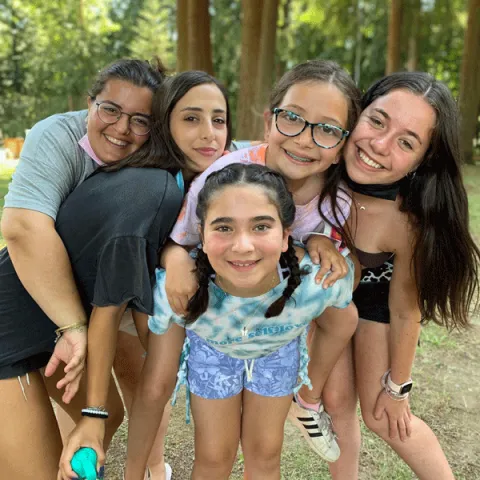
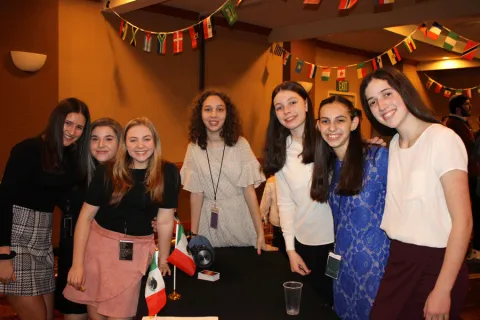
Experiential Jewish education features a diverse array of intensive and immersive educational options, including camps, Israel experiences, youth groups, and other youth enrichment and engagement experiences. The Samis Foundation has invested nearly $9 million since its inception in support of experiential Jewish education. Support for the three Washington State Jewish overnight camps and need-based camp scholarship programs represents the bulk of grantmaking in this area at nearly $6 million. Although Samis has supported other experiential education programs since its inception, in recent years, Samis significantly augmented its experiential education philanthropy by launching two grant pilot programs for teen Israel experiences and youth enrichment and engagement programs.
Jewish experiences in childhood are especially influential as youth move into adulthood, develop Jewish identity, and make important decisions such as choosing to raise Jewish children. Formative Jewish education and experiences increase the likelihood of college students joining a Jewish group such as Hillel or Chabad, participating in a Birthright Israel trip, or taking Jewish Studies or Israel-related college courses. The vibrant and creative field of experiential Jewish education provides families with the opportunity to select the program that best fits the unique needs and interests of their children.
Jewish Camps
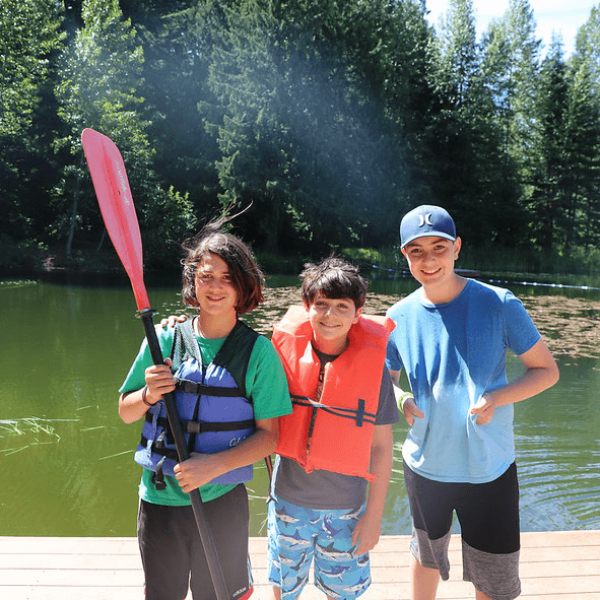
Jewish summer camps are a deeply effective tool for building Jewish identity and continuity, due to their immersive nature. For many youth, camp is their primary Jewish educational experience outside of the home. Camp noticeably increases the likelihood of Jewish engagement in adulthood. As adults, campers are 21% more likely to feel that being Jewish is important and 55% more likely to feel emotionally attached to Israel. The impact of camp is arguably greatest for counselors, who are groomed to be role models and whose engagement in Jewish life often continues with Hillel and other Jewish activities as they move through college. Particularly of note, national research conducted by the Foundation for Jewish Camp highlights that camps are the only segment of Jewish education consistently demonstrating growth in enrollment.
Teen Israel Experiences, Enrichment & Engagement
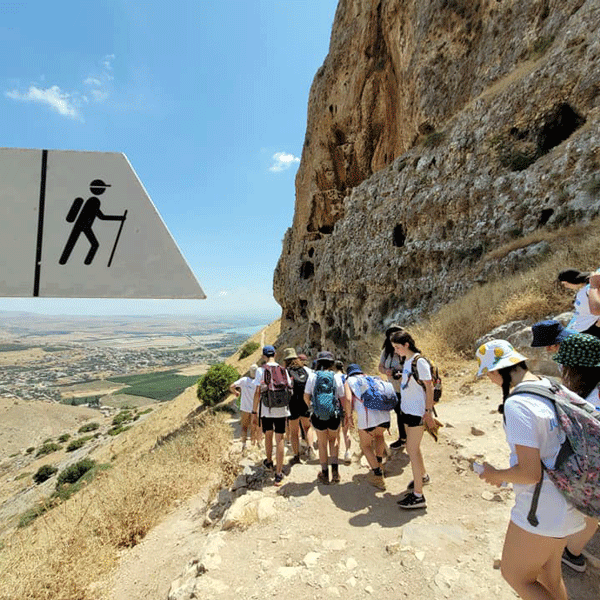
Teen Israel experience programs also have consistent, enduring, and positive contributions to adult Jewish engagement for teens and young adults. Teen Israel travel elevates attachment to Israel, religious activity, and Jewish community involvement. Relative to their peers, program participants also place an increased value on having Jewish friends, Jewish dating, and Jewish in-marriage. Research in the field confirms that meaningful travel to Israel exerts a more powerful impact on adult Jewish identity than camps or youth groups on almost all measures.
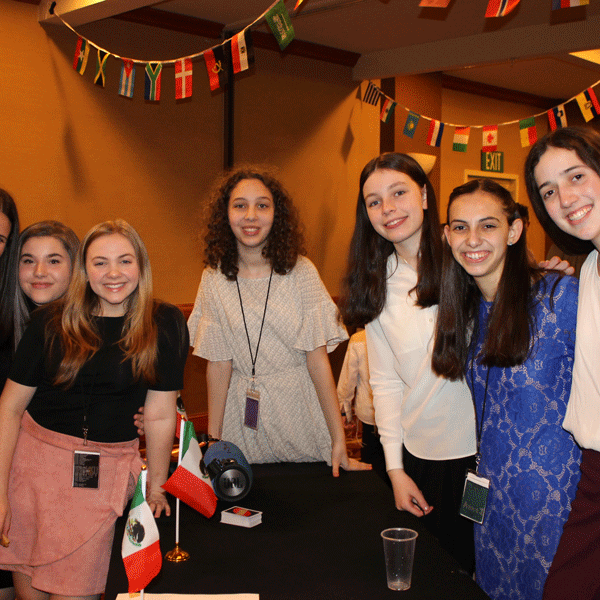
Organized youth groups have a strong history across the United States. Participants engaging in national youth groups rank highly on Jewish identity, Jewish practice, social-emotional development, communal engagement, and volunteerism. Through youth enrichment and engagement programs, teens form new friendships, learn valuable leadership skills, strengthen their connection to the State of Israel, and build community. As youth program offerings expand and adapt to address the passions of new generations, the Foundation is eager to support and help these programs flourish in our local community.


Looking Ahead
The basis and framework of Jewish identity begin in early childhood and are crystallized in youth and young adulthood. During these formative years, it is crucial for youth to gain exposure to Jewish life, belief, and tradition, and build meaningful relationships within the Jewish community. Samis’ objectives in experiential Jewish education include expanding opportunities for Jewish youth to attend Jewish camp, identifying and expanding access to intensive and immersive experiential Jewish youth enrichment programs, and increasing opportunities for Jewish youth to engage in Israel Experience programs. Samis is focusing its efforts on supporting recruitment efforts, program quality enhancements to deepen engagement, capacity building to expand participation, and the establishment of key partnerships to leverage Samis’ impact.
Initiatives In Israel
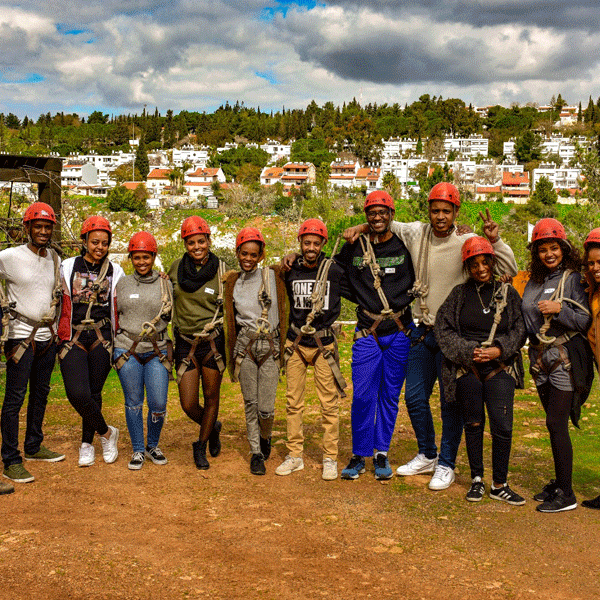
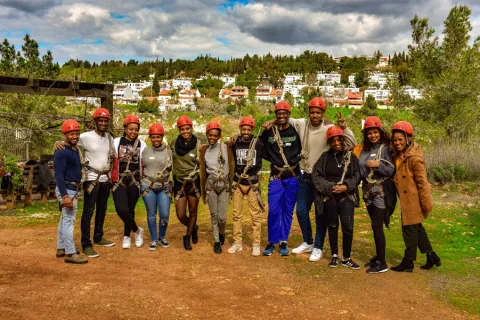
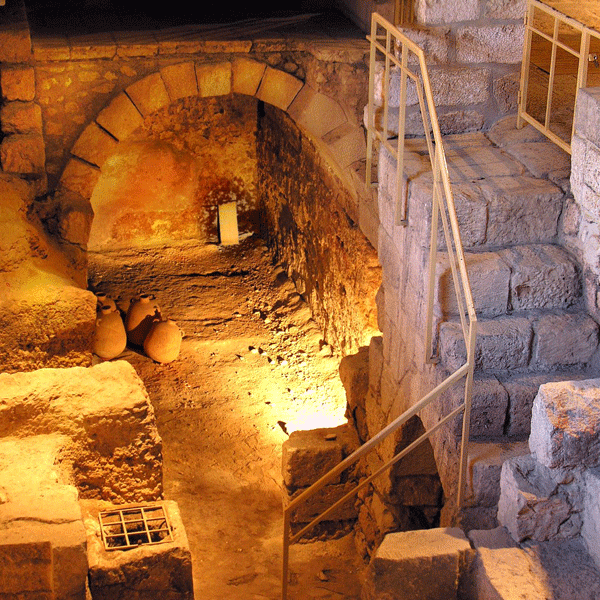
In the founding documents of the Samis Foundation, Samuel Israel articulated specific areas of philanthropy to express his commitment to ensuring a thriving and successful State of Israel. The original areas included assisting those on the socio-economic periphery to become independent and contributing citizens through immigrant absorption, college scholarships, and programs for “widows & orphans, because they have lost their provider” (Sam’s words), as well as promoting the conservation and enjoyment of Israel’s rich wildlife resources, and archaeology. Since its inception, the Foundation has given over $10 million to organizations and causes in Israel that are making a meaningful and tangible impact in supporting targeted populations on the periphery of Israeli society.


The Samis Foundation
The Foundation
The Samis Foundation started with the goal of supporting Jewish education in Washington State and initiatives in Israel. Since its inception in 1994, it has fulfilled this goal by giving over $100 million in grants in support of over 150 different programs, organizations, and initiatives.
Our Vision
The Samis Foundation envisions a world where the preservation and continuity of Judaism and the State of Israel are secured, a vibrant, healthy Washington State Jewish community flourishes, and the educated Jew is thriving.
Our Mission
The Samis Foundation supports access for Jewish youth in Washington State to high-quality intensive and immersive Jewish educational experiences and fulfills Samuel Israel’s philanthropic goals of supporting the State of Israel and worldwide disaster relief.
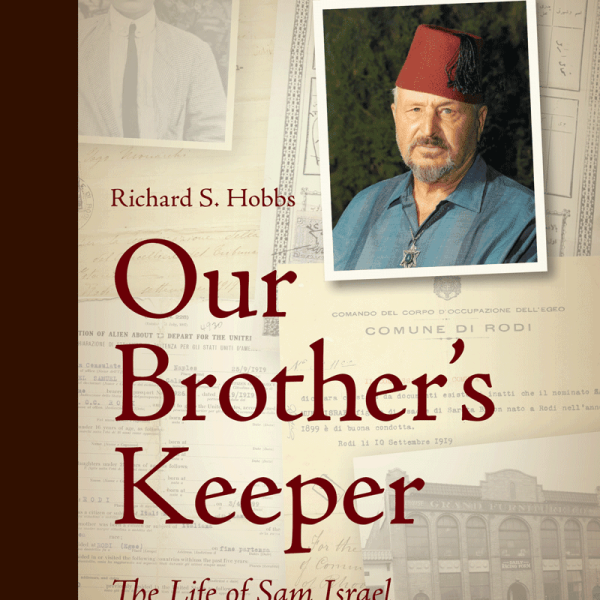
During his lifetime, Samuel Israel believed in giving back. Born in 1899 in the Sephardic community of Rhodes, then part of the Ottoman Empire, he and his family immigrated to Seattle in 1919. Sam had apprenticed as a shoemaker prior to emigrating to the US and, shortly after arriving, founded a series of successful shoe repair businesses in downtown Seattle, eventually landing a contract to repair shoes for the United States Army. Sam invested his earnings in real estate, amassing a significant portfolio of properties and assets currently valued at approximately $180 million. Sam Israel’s biography, released January 31, 2022, is available for order on Amazon.
Before his death in 1994, Sam established the Samis Foundation and appointed 16 lifetime trustees to govern the Foundation. Many of the original lifetime trustees, their successors, and professional staff oversee and manage the Foundation’s assets and philanthropic giving today. The Foundation continues Sam’s legacy through its support of Jewish education locally, including Jewish day schools, overnight camps, teen Israel experiences, and youth enrichment and engagement programs, and six program areas in Israel, including archaeology, immigration, educational support, widows and orphans, poverty and social mobility, and wildlife. In addition, the Foundation provides disaster relief when crises or natural disasters hit communities, Jewish and non-Jewish, across the globe. The Samis Foundation is proud to preserve Samuel Israel’s legacy.
Samis, by the Numbers
Intensive, immersive Jewish education is the centerpiece of the Samis Foundation’s philanthropy in Washington State, with support for Jewish day school education as a priority. A day school education provides children with a solid foundation for their Judaism, giving them crucial knowledge about their culture and religion. The Foundation invests heavily to help ensure Jewish day school is affordable for all children and families by providing annual operations grants to cover the scholarship needs for day schools in the Seattle area. Samis further invests in the instructional and institutional quality of the day schools, supporting professional development for faculty, board capacity building, Judaic and Israel curriculum, technology initiatives, and special needs.
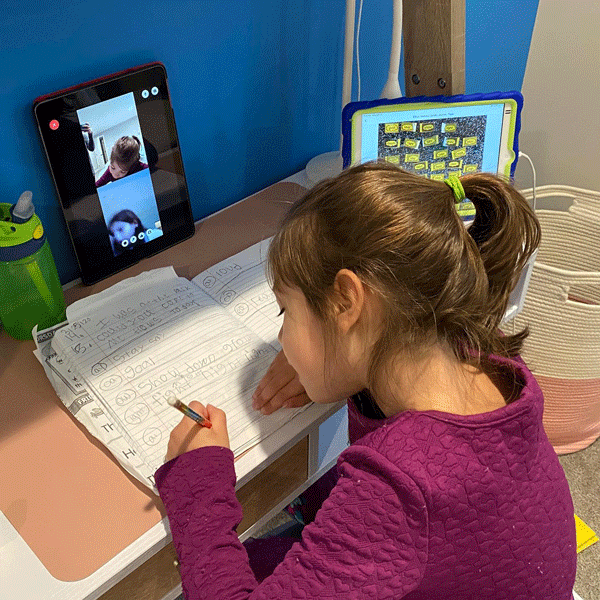
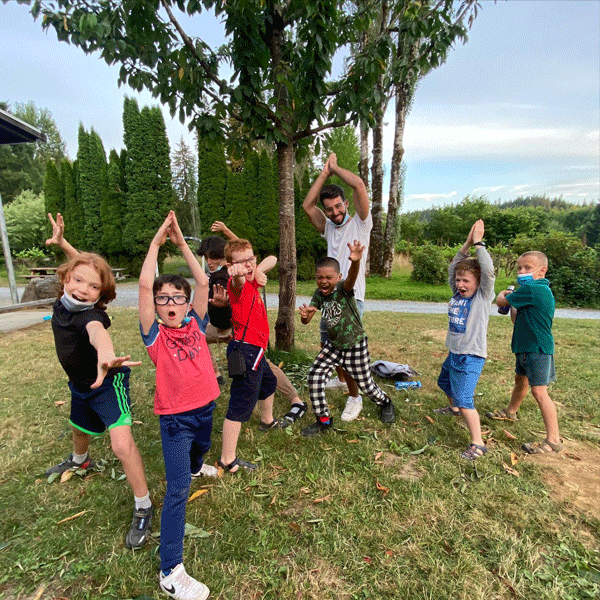
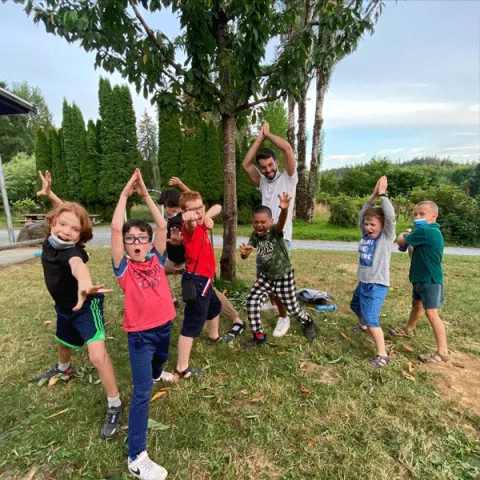
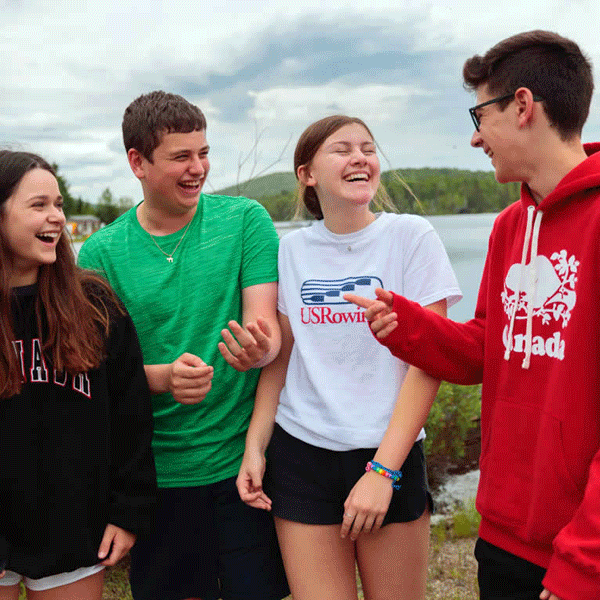
Samis grantmaking in the field of experiential Jewish education includes annual support for Jewish camps, teen Israel experiences, and youth enrichment and engagement programs. Samis supports general operations, programmatic grants, and needs-based scholarships, as well as funding for capital projects for Jewish summer camps. In recent years, the Foundation launched pilot programs to expand its reach in support of teen Israel experience programs and youth enrichment and engagement programs. Youth who engage in these types of intensive, immersive Jewish experiences strengthen their Jewish identity, deepen their understanding of Jewish traditions, create lifelong Jewish friendships, and develop strong connections with the State of Israel.
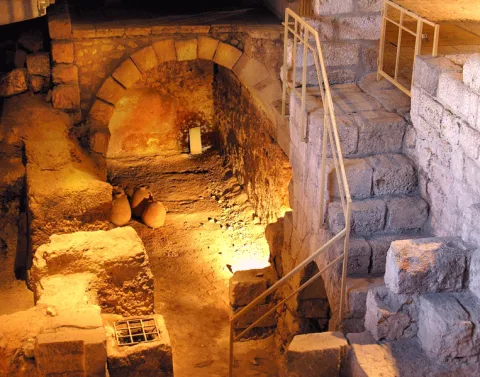
Samuel Israel was committed to a successful and vibrant State of Israel for the Jewish people. Today, Samis continues to carry out this vision. The Foundation’s grantmaking assists those on the socio-economic periphery to become independent and contributing citizens through immigrant absorption programs, needs-based scholarships for students to access higher education and technical training, and support for “widows & orphans, because they have lost their providers” (Sam’s words), as well as victims of domestic violence. Samis’ Israel philanthropy also promotes the conservation and enjoyment of Israel’s rich wildlife resources, and archaeology.
Samis Foundation Strategic Plan for Philanthropy
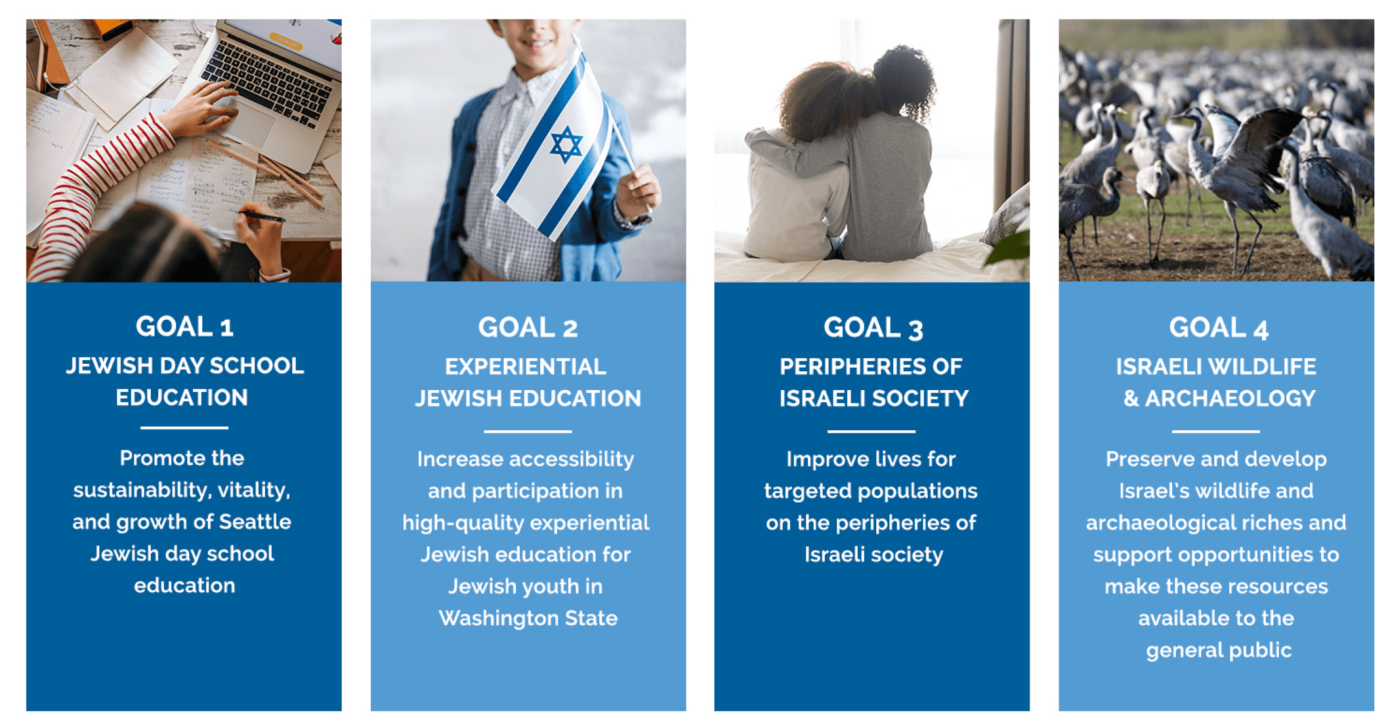
In 2020, the Foundation completed its first five-year (2021-2021) strategic plan. Click to read the 2021-2025 Samis Foundation Strategic Plan for Philanthropy and explore the Samis Strategic Plan Booklet. Explore below to learn more about Samis’ four Strategic Impact Goals.
Data Related to Grantmaking
With the goal of supporting Jewish education in Washington State and initiatives in Israel, the Samis Foundation has supported over 150 different programs, organizations, and initiatives, giving over $100 million in grants since its inception in 1994. The Samis Foundation considers grant requests by invitation only.
The Foundation invites applications from Seattle’s Jewish day schools, organizations that serve Jewish youth and teens in Washington state, and organizations involved in our six areas of philanthropy in Israel: archaeology, Aliyah and absorption, educational support, poverty and social mobility, widows and orphans, and wildlife preservation.
