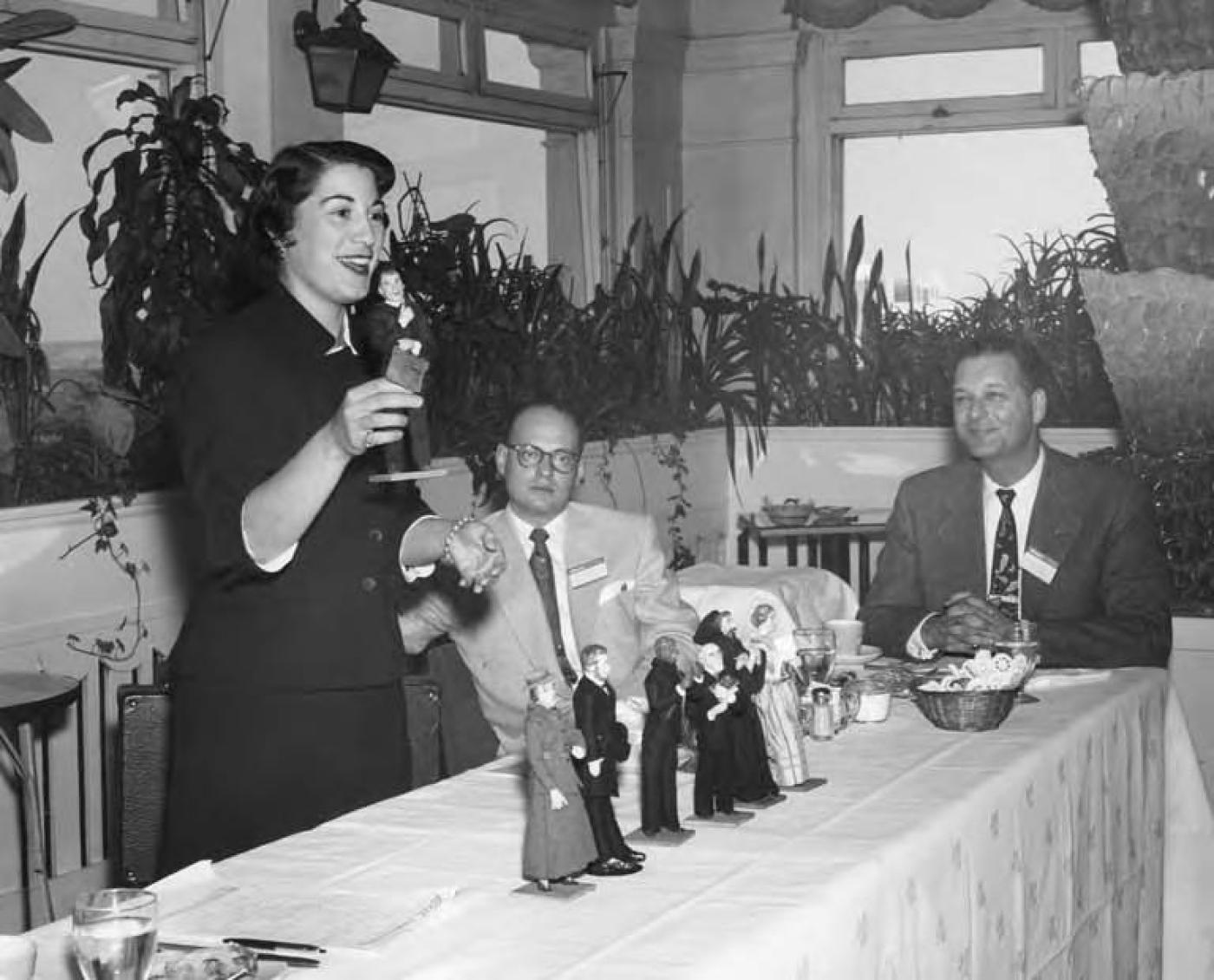
Seymour Kaplan sitting at a table with a man and a woman at the 1st Annual Meeting of Plains States, October 11, 1953
Courtesy of UW Special Collections
Seymour Kaplan sitting at a table with a man and a woman at the 1st Annual Meeting of Plains States, October 11, 1953
Courtesy of UW Special Collections
Dolls for Democracy
Dolls for Democracy showcases the world’s largest collection of B’nai B’rith Dolls for Democracy, preserved by the Washington State Jewish Historical Society and exhibited in August 2009 at the Rosalie Whyel Museum of Doll Art. Created beginning in the 1950s by artist Cecil Weeks for the Women of B’nai B’rith, these lifelike dolls depicted notable historical figures and were used as educational tools to teach schoolchildren that people of all backgrounds—regardless of race, religion, gender, or economic status—can contribute meaningfully to society. Used for decades in Washington State classrooms and community settings, and now individually photographed and available as a traveling exhibit, the collection continues to inspire audiences with its message of diversity, achievement, and civic responsibility.
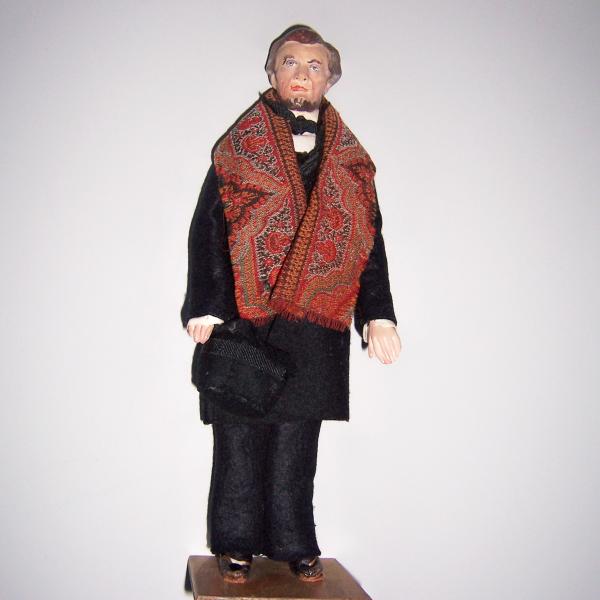
Abraham Lincoln
Abraham Lincoln (1809–1865), known as “Honest Abe” and the “Great Emancipator,” was the 16th U.S. president who preserved the Union during the Civil War and ended slavery. A successful Illinois lawyer and former Whig, he gained national attention after debating Stephen A. Douglas in 1858 and soon joined the newly formed Republican Party. Elected president in 1860, his victory prompted Southern secession and the formation of the Confederate States of America. Though initially focused on saving the Union, Lincoln issued the Emancipation Proclamation and helped secure passage of the 13th Amendment abolishing slavery. He also outlined plans for Reconstruction while leading the North to victory in the Civil War. In 1865, he was assassinated by John Wilkes Booth, and his leadership—memorialized in the Gettysburg Address—cemented his legacy as one of America’s greatest presidents.
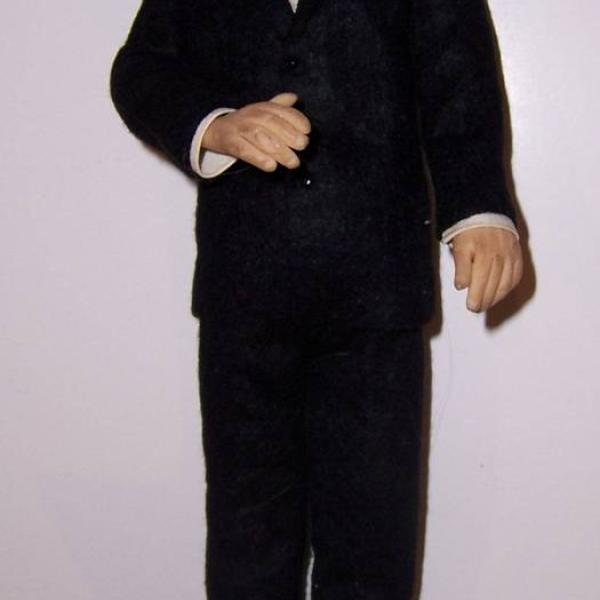
Albert Schweitzer
Albert Schweitzer (1875-1965), German-born theologian, philosopher, musicologist, medical missionary, and Nobel laureate. His book Von Reimarus zu Wrede (1906; The Quest of the Historical Jesus) established him as a world figure in theological studies. In this and other works, he stressed the eschatological views (concerned with the consummation of history) of Jesus and St. Paul, asserting that their attitudes were formed by expectation of the imminent end of the world. During these years Schweitzer also became an accomplished musician. In 1905 Schweitzer announced his intention to become a mission doctor in order to devote himself to philanthropic work, and in 1913 he became a doctor of medicine. In Lambaréné, in the Gabon province, Schweitzer, with the help of the natives, built his hospital, which he equipped and maintained. Schweitzer returned to Africa in 1924 to rebuild the derelict hospital. By 1963 there were 350 patients with their relatives at the hospital. Schweitzer never entirely abandoned his musical or scholarly interests. He published works, gave lectures and organ recitals throughout Europe, made recordings, and resumed his editing of Bach’s works. Despite the occasional criticisms of Schweitzer’s medical practice as being autocratic and primitive, and despite the opposition sometimes raised against his theological works, his influence continues to have a strong moral appeal, frequently serving as a source of encouragement for other medical missionaries.

Benjamin Franklin
Benjamin Franklin (1706–1790) was a printer, author, inventor, scientist, diplomat, and one of the foremost founding fathers of the United States. He made groundbreaking discoveries in electricity, including the concepts of conductors, insulators, and the conservation of charge, and invented practical devices like the lightning rod, bifocals, the Franklin stove, and the odometer. Franklin also shaped civic life in Philadelphia, helping establish a fire company, library, insurance company, academy, and hospital. As a writer, he published the Poor Richard’s Almanac and the Pennsylvania Gazette, and he played key roles in drafting the Declaration of Independence, the Articles of Confederation, and contributing to the Constitution. Serving as a diplomat in France during the Revolution, he secured recognition and aid for the new United States and helped negotiate the peace treaty with Britain. Franklin’s life exemplified the American ideal of self-made success, combining scientific genius, public service, and diplomatic skill.
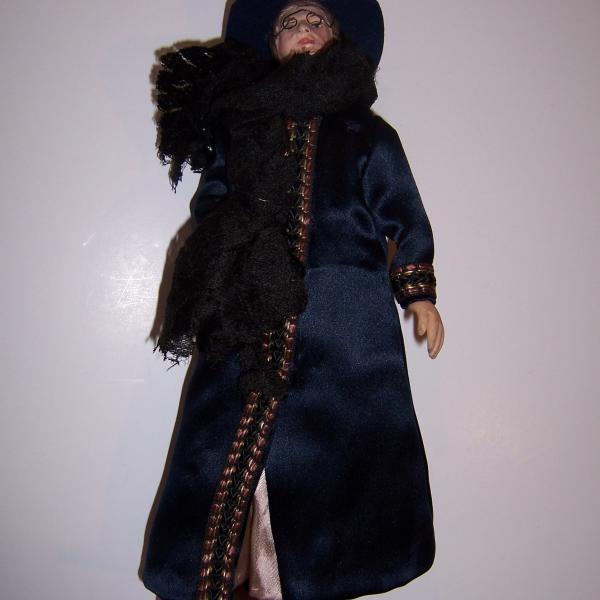
Carrie Catt
Carrie Chapman Catt (1859-1947) was an American feminist leader who led the women’s rights movement for more than 25 years, culminating in the adoption of the Nineteenth Amendment to the U.S. Constitution in 1920. In 1883, she was appointed superintendent of Mason City, Iowa schools, one of the first women to hold such a position. From 1887 to 1890, she devoted herself to organizing the Iowa Woman Suffrage Association. In 1900 she was elected to succeed Susan B. Anthony as president of the National American Woman Suffrage Association (NAWSA). She resigned the presidency in 1904 to care for her ailing husband. Between 1905 and 1915, Catt reorganized the NAWSA along political-district lines. By then an accomplished public speaker, she served as the group’s president from 1915 until her death. In the meantime, she trained women for direct political action and marshaled seasoned campaigners. Tireless lobbying in Congress and then in state legislatures finally produced a ratified Nineteenth Amendment in August 1920. The final triumph was in large part a tribute to her imaginative and tactful leadership. In the 1920s, Catt embraced the peace movement, enlisting the cooperation of 11 national women’s organizations in the Committee on the Cause and Cure of War to urge United States participation in a world organization for peace. She actively supported the League of Nations, relief for Jewish refugees from Germany, and a child labor amendment.
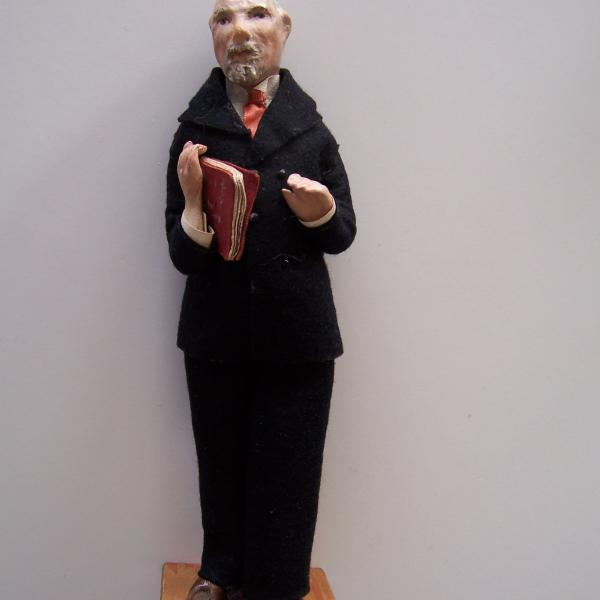
Chaim A. Weitzman
Chaim Azriel Weizmann (1874–1952) was a Russian-born chemist and Zionist leader who became the first president of modern Israel. From childhood, he championed a Jewish homeland and later opposed Theodore Herzl as leader of the Young Zionists. Weizmann helped secure the Balfour Declaration and led the World Zionist Organization while traveling globally to promote Zionism and raise funds. He founded the Daniel Sieff Research Institute in 1934 and supported efforts to rescue German Jewry under the Nazis. During World War II, he helped establish the Jewish Brigade in the British Army and later secured crucial U.S. support for the creation of Israel, including recognition and funding. In 1948, he became president of the Provisional State Council and was elected the first president of Israel the following year.
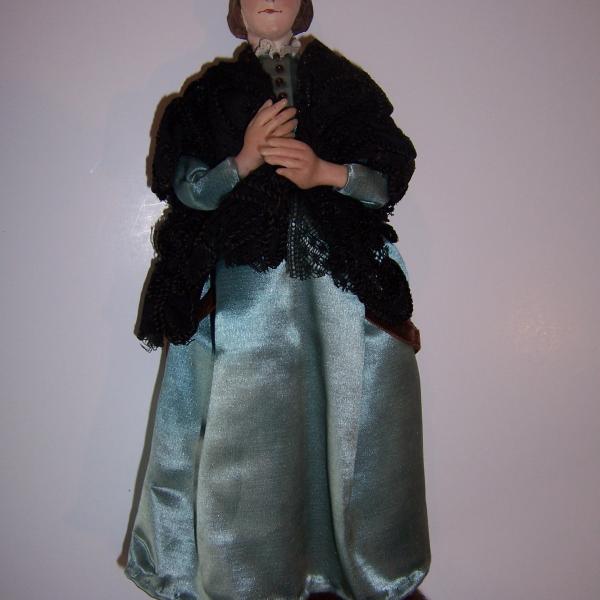
Clara Barton
Clarissa Harlowe Barton (1821-1912) was a philanthropist. At the outbreak of the American Civil War, Barton showed characteristic initiative in organizing facilities to recover soldiers’ lost baggage and in securing medicine and supplies for men wounded in the first battle of Bull Run, which she continued, at the request of Abraham Lincoln, for the rest of the war (ultimately setting up the Bureau of Records to aid in the search for missing men. During the Franco-German War, Barton worked with the International Red Cross. When she returned to the States, she campaigned vigorously and successfully for that country to sign the Geneva Convention. In 1881, she organized the American Association of the Red Cross and served as its president until 1904. She was affectionately known as the “angel of the battlefield” for her life’s work.
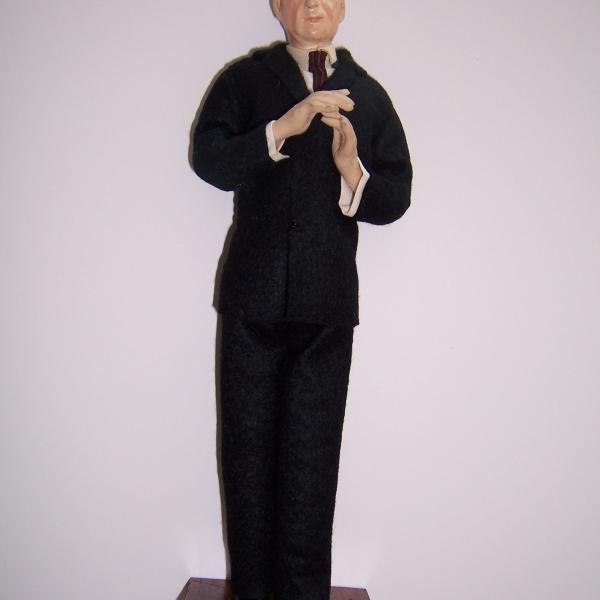
Dag Hammarskjöld
Dag Hammarskjöld (1905-1961) was a Swedish economist and statesman who served as second secretary-general of the United Nations (1953–61) and enhanced the prestige and effectiveness of the UN. In September 1957, he was reelected to another five-year term. For several years he was most concerned with fighting and threats of fighting in the Middle East between Israel and the Arab states; he and the Canadian statesman Lester Pearson participated in the resolution of the Suez Canal crisis that arose in 1956. Hammarskjöld also played a prominent role in the 1958 crisis in Lebanon and Jordan. As secretary-general, Hammarskjöld is generally thought to have combined great moral force with subtlety in meeting international challenges. He insisted on the freedom of the secretary-general to take emergency action without prior approval by the Security Council or the General Assembly. The absence of a major international crisis during the first three years of his secretaryship enabled him to concentrate on quietly building public confidence in himself and his office. He was posthumously awarded the Nobel Prize for Peace in 1961. U.S. President John F. Kennedy called Hammarskjöld “the greatest statesman of our century.”
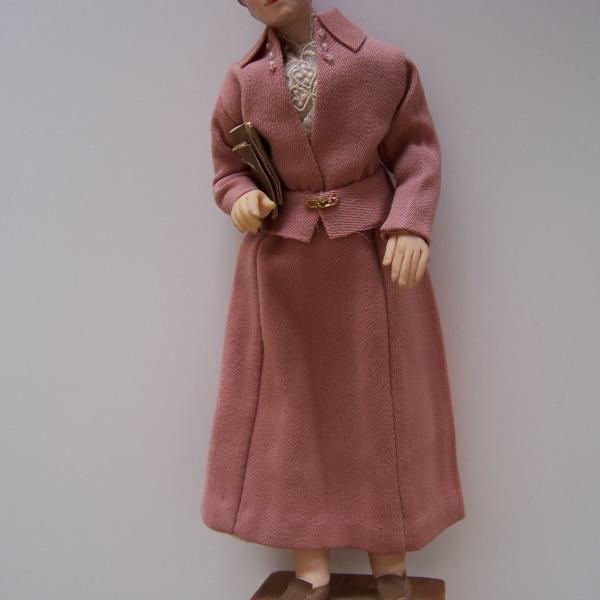
Eleanor Roosevelt
Eleanor Roosevelt (1884-1962) was an American political figure, diplomat, activist, and writer who served as the longest-serving First Lady during the four terms of her husband, Franklin D. Roosevelt. She redefined the role of First Lady by holding press conferences, writing the syndicated column My Day, and traveling widely to promote New Deal programs during the Great Depression. A strong advocate for social justice, she supported civil rights, backed anti-lynching legislation, and championed the rights of women and minorities, including work with the NAACP. During World War II, she boosted troop morale by visiting soldiers in the South Pacific and spoke out for refugees’ rights. After leaving the White House, she served as a U.S. delegate to the United Nations, where she chaired the commission that drafted the Universal Declaration of Human Rights.
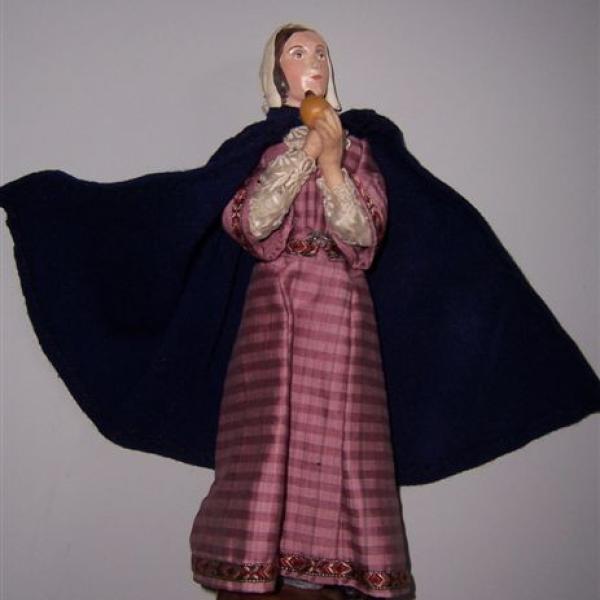
Florence Nightingale
Florence Nightingale (1820-1910) foundational philosopher of modern nursing, statistician, and social reformer. Nightingale was put in charge of nursing British and allied soldiers in Turkey during the Crimean War. She spent many hours in the wards, and her night rounds, giving personal care to the wounded, established her image as the “Lady with the Lamp.” Her efforts to formalize nursing education led her to establish the first scientifically based nursing school—the Nightingale School of Nursing, at St. Thomas’ Hospital in London (opened 1860). She was also instrumental in setting up training for midwives and nurses in workhouse infirmaries. Although Nightingale believed that disease developed spontaneously in unsanitary conditions, her insistence on the necessity of cleanliness led to a dramatic decrease in the spread of disease. In November of 1856, a program was established to examine the Army's medical health, and Nightingale was part of it. By 1860, dramatic improvements had been made in Army medical care and barracks. In the following years, she worked toward improvements in the India-based British Army's conditions, as well as Indian public health and irrigation systems. As a result, she became the first woman to be elected as a fellow of the Statistical Society. Nightingale became the first woman to receive the British Order of Merit in 1907. Florence Nightingale died at the age of 90 and after her death, nurses throughout the world wanted to pay tribute to her, and the Florence Nightingale Foundation was formed to carry on the work of educating nurses. It continues to operate near St. Thomas' Hospital in London.
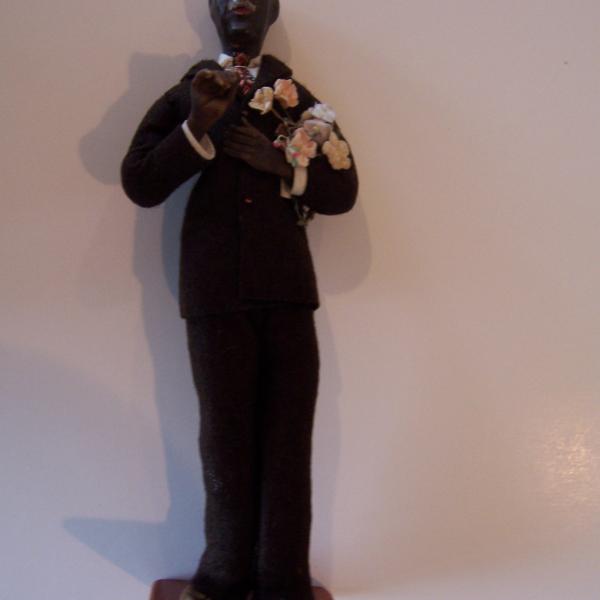
George Washington Carver
George Washington Carver (1864-1943) American agricultural chemist, agronomist, and experimenter whose development of new products derived from peanuts, sweet potatoes, and soybeans helped revolutionize the agricultural economy of the South. After gaining his bachelor's and master's degrees in agriculture in Iowa, Carver left Iowa for Alabama to direct the newly organized department of agriculture at the Tuskegee Normal and Industrial Institute, a school headed by the noted black American educator Booker T. Washington. At this time, agriculture in the Deep South was in serious trouble because the unremitting single-crop cultivation of cotton had left the soil of many fields exhausted and worthless, and erosion had then taken its toll on areas that could no longer sustain any plant cover. As a remedy, Carver urged Southern farmers to plant peanuts and soybeans, which, since they belong to the legume family, could restore nitrogen to the soil while also providing the protein so badly needed in the diet of many Southerners. Carver then set about enlarging the commercial possibilities of the peanut and sweet potato by creating hundreds of commercially viable, derivative products. When Carver arrived at Tuskegee in 1896, the peanut had not even been recognized as a crop, but within the next half century it became one of the six leading crops throughout the United States and, in the South, the second cash crop (after cotton) by 1940. Carver’s efforts helped liberate the South from its excessive dependence on cotton. His efforts brought about a significant advance in agricultural training in an era when agriculture was the largest single occupation of Americans, and he extended Tuskegee’s influence throughout the South by encouraging improved farm methods, crop diversification, and soil conservation.
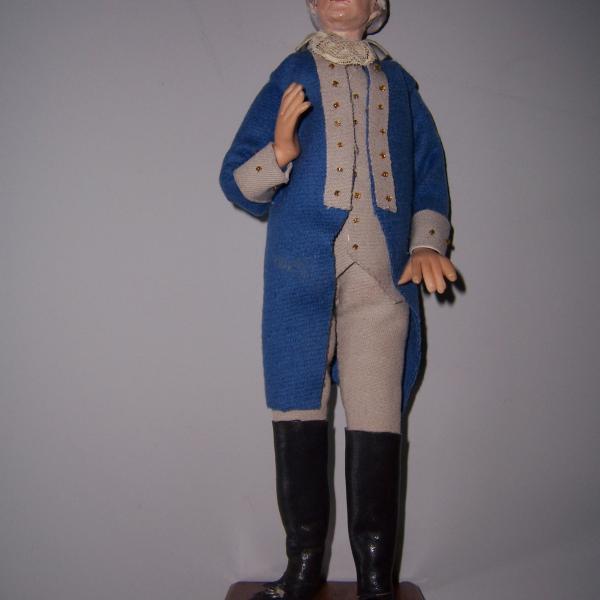
George Washington
George Washington (1732–1799) was the first president of the United States and commander of the Continental Army during the American Revolution. He gained early military experience in the French and Indian War and later served in Virginia’s legislature and the Continental Congress. In 1775, he was chosen to lead the Continental Army, guiding it through difficult years of war to victory at Yorktown. After resigning his commission, he helped address the nation’s weaknesses by presiding over the Constitutional Convention and supporting ratification of the Constitution. Unanimously elected president in 1789, he strengthened the federal government, maintained neutrality in foreign affairs, and put down the Whiskey Rebellion. By refusing a third term and issuing his Farewell Address, he set an enduring precedent and became known as the “Father of His Country.”
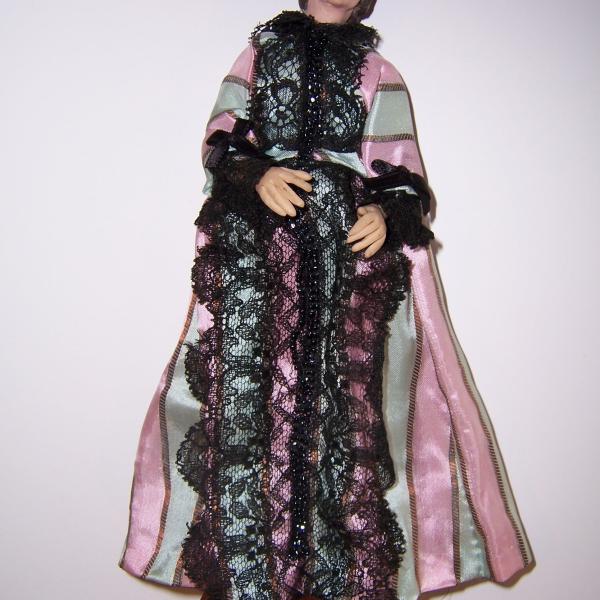
Harriet B. Stowe
Harriet Beecher Stowe (1811-1896) was an American abolitionist and author. Stowe's most famous novel, Uncle Tom's Cabin (1852), depicted life for African Americans under slavery; it reached millions as a novel and play, and became an immediate sensation and very influential in the U.S. and Britain. It was vehemently denounced in the South, where reading or possessing the book became an extremely dangerous enterprise. With sales of 300,000 in the first year, the book exerted an influence equaled by few other novels in history, helping to solidify both pro- and antislavery sentiment. Upon meeting Stowe, Abraham Lincoln allegedly remarked, "So this is the little old lady who started this new Great War!"

Hellen Keller
Helen Keller (1880–1968) was an American author, activist, and lecturer who overcame the loss of both sight and hearing at 19 months old. With the help of her lifelong teacher, Anne Sullivan, she learned to communicate, read Braille, and write, eventually becoming the first deafblind person in the United States to earn a Bachelor of Arts degree from Radcliffe College. She co-founded the American Civil Liberties Union and campaigned tirelessly for disability rights, labor rights, and women’s suffrage. Keller also authored several books, including her famous autobiography The Story of My Life, and lectured internationally to promote social causes. Her achievements earned global recognition, including a nomination for the Nobel Peace Prize in 1953, and she dedicated much of her life to humanitarian work with the American Foundation for the Blind.
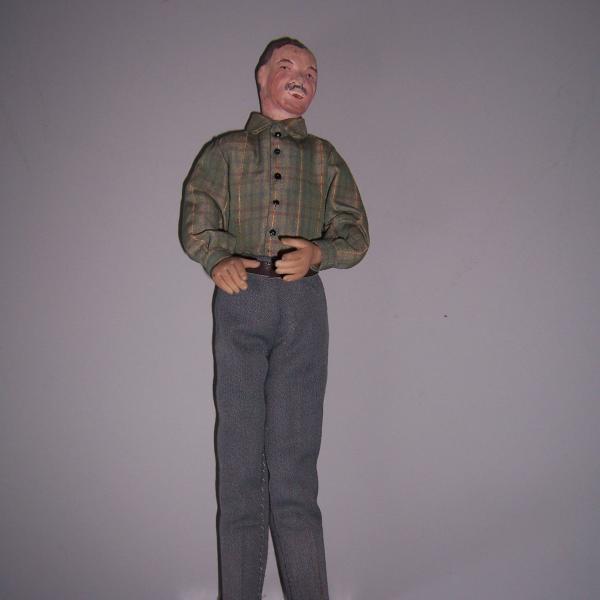
Harry Holt
Harry Holt (1905-1964) started the movement and organization to assist with the adoption of Korean orphans during the Korean War. In 1955, Harry Holt and Bertha Holt revolutionized adoption practices by adopting eight South Korean children orphaned by the Korean War. Prior to this time, Christian welfare organizations had promoted the monetary sponsorship of “poor and helpless” Asian children in the language of adoption as “part of a broader cultural movement in the United States that forged bonds between Asia and America in familial, and more specifically parental, terms.” Actual adoptions were more typically same-race domestic placements that took place under a shroud of secrecy as families sought to conceal any evidence of parental infertility. The Holts’ actions publicly legitimized trans-racial and cross-cultural adoptions on humanitarian grounds. In response to overwhelming inquiries from prospective parents, they founded one of the first and largest international adoption agencies, Holt International Children Services, thus institutionalizing the practice of adopting from abroad.
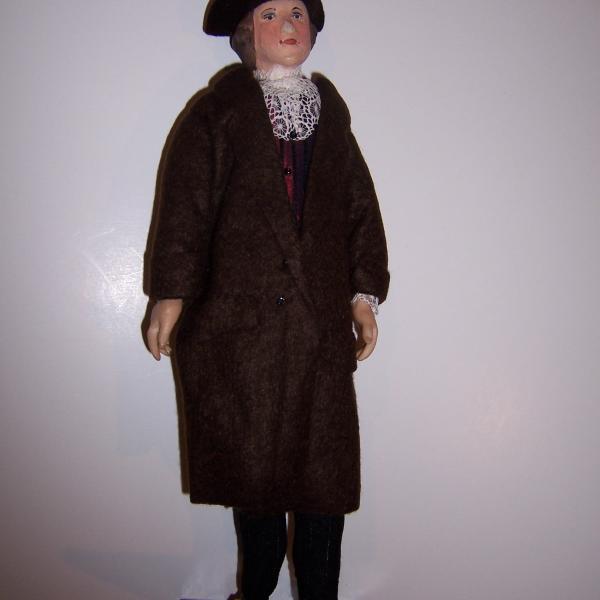
Haym Salomon
Haym Salomon (1740-1785) was a Polish Jew who immigrated to New York during the period of the American Revolution, and who became a prime financier of the American side during the American Revolutionary War and a founder of the first Philadelphia synagogue, Mikvah Israel. In 1776, the British, who controlled New York City, arrested Salomon; exposure suffered in prison later contributed to his early death. He was paroled but was arrested again in 1778 on more serious charges; he escaped and went to Philadelphia. There he established a brokerage office and acted without salary as the financial agent of the French, doing all in his power to facilitate the Franco-American Alliance. In addition, he made private loans to prominent statesmen such as James Madison, Thomas Jefferson, and James Monroe, from whom he would not take interest. In all, the government owed Salomon more than $600,000. Generations of his descendants tried in vain to collect some portion of these loans, which had helped to impoverish Salomon in his last years.
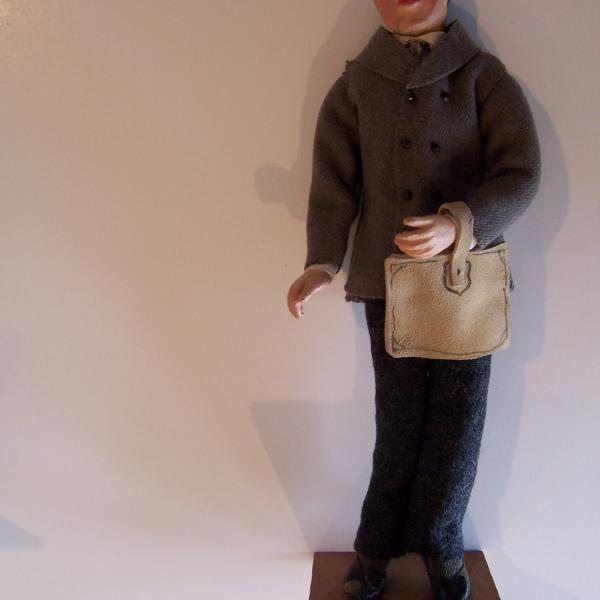
Henry Monsky
Henry Monsky (1890-1947) was a leader in the early twentieth-century Jewish community. Monsky was a lawyer, organizational executive, and communal leader who served as national president of B’nai B’rith from 1938 to 1947, during which time membership increased from 60 thousand to nearly 300 thousand. Monsky also served as consultant to the U.S. delegation to the United Nations Organizing Conference in 1945, where he helped influence UN leaders to guarantee the rights of any states or peoples living under international bodies such as the British Palestine Mandate, and worked to help create a Jewish national home. Ultimately, Monsky was appointed by U.S. President Franklin Roosevelt to an advisory committee on volunteerism of the Office of Civilian Defense, where he petitioned President Roosevelt to help the Jews in Europe during WWII.
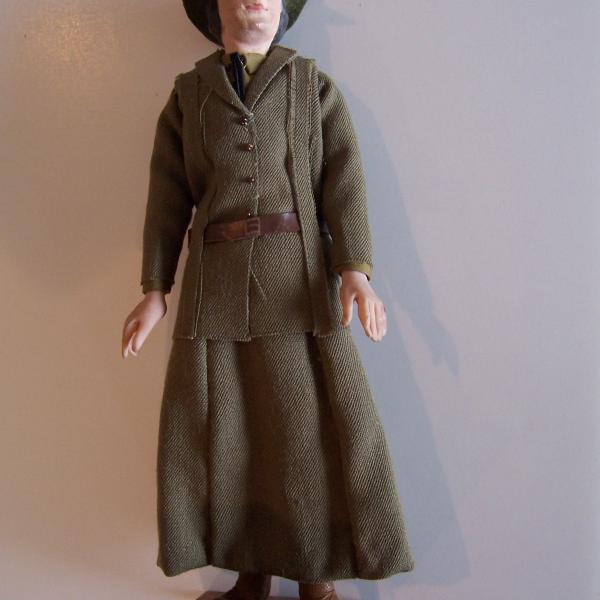
Juliette G. Low
Juliette Gordon Low (1860-1927) was an American youth leader and the founder of the Girl Scouts of the USA. Her interest in the Scout movement stemmed from her friendship with Robert and Agnes Baden-Powell, who had organized the Boy Scouts and its sister organization, the Girl Guides, in England. After forming a small troop of Girl Guides in Scotland and two in London, Low returned to the United States and organized the nation’s first troop of Girl Guides in Savannah in 1912. In 1915, by which time the name had been changed to the Girl Scouts of the United States of America, the movement was formally organized on a national basis, and Low was elected president, a post she retained until 1920 (when she retired and her birthday was set aside as Girl Scouts Founder’s Day). Low traveled throughout the United States, donating and soliciting funds and organizing troops. By the time of her death in 1927, there were more than 140,000 Girl Scouts in troops in every U.S. state, and by the early 21st century the organization had grown to include some 3.7 million members.
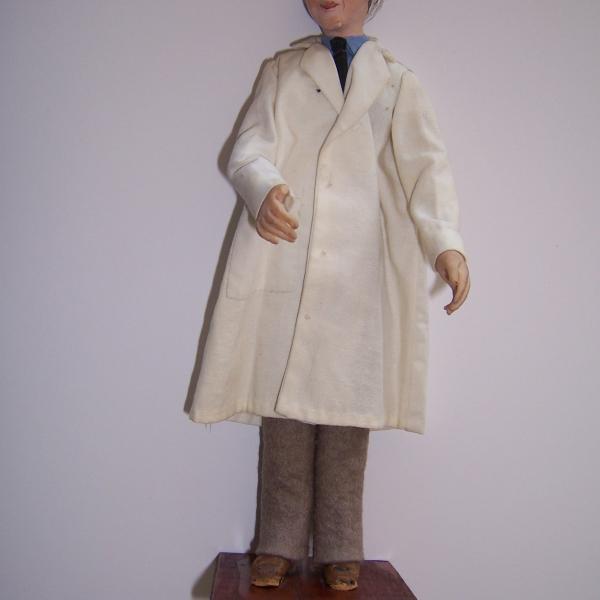
Jonas Salk
Jonas Edward Salk (1914-1995) was an American physician and medical researcher who developed the first safe and effective vaccine for polio. In 1947, Salk became an associate professor of bacteriology and head of the Virus Research Laboratory at the University of Pittsburgh’s School of Medicine, where he began research on polio. He discovered that the killed virus of each of the three strains of polio, although incapable of producing the disease, could induce antibody formation in monkeys. He conducted field tests of his killed-virus vaccine, first on children who had recovered from polio and then on subjects who had not had the disease; both tests were successful in that the children’s antibody levels rose significantly and no subjects contracted polio from the vaccine. A mass field trial was conducted, and the vaccine, injected by needle, was found to safely reduce the incidence of polio. On April 12, 1955, the vaccine was released for use in the United States. Salk’s polio vaccine was superseded in 1960 by the live-virus oral vaccine developed by Albert Sabin. Salk was awarded the Presidential Medal of Freedom in 1977.
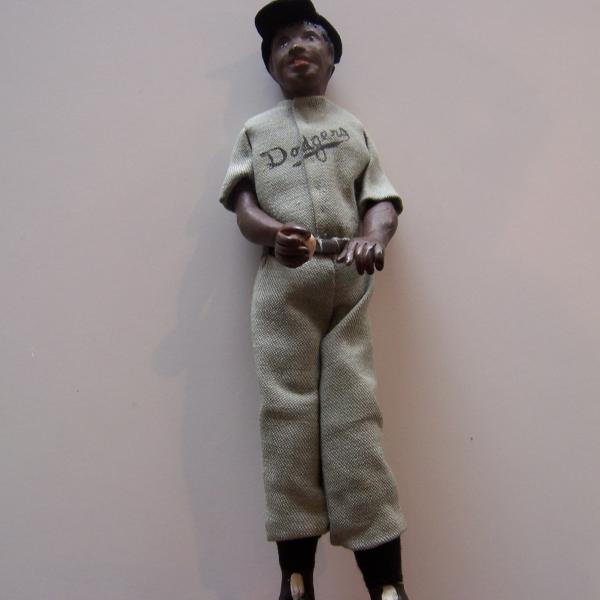
Jackie Robinson
Jack Roosevelt "Jackie" Robinson (1919-1972) was the first African-American Major League Baseball player of the modern era, although not the first African American player in major league history. He debuted with the Brooklyn Dodgers organization in the mid-1940s, which ended a nearly sixty-year era of segregation. Robinson's baseball career had a major cultural impact beyond sports, and was a significant precursor to the subsequent Civil Rights Movement. As a result, Robinson was inducted into the Baseball Hall of Fame in 1962, and in 1997, Major League Baseball conferred a unique honor upon Robinson by retiring number 42, his uniform number, across all major league teams.
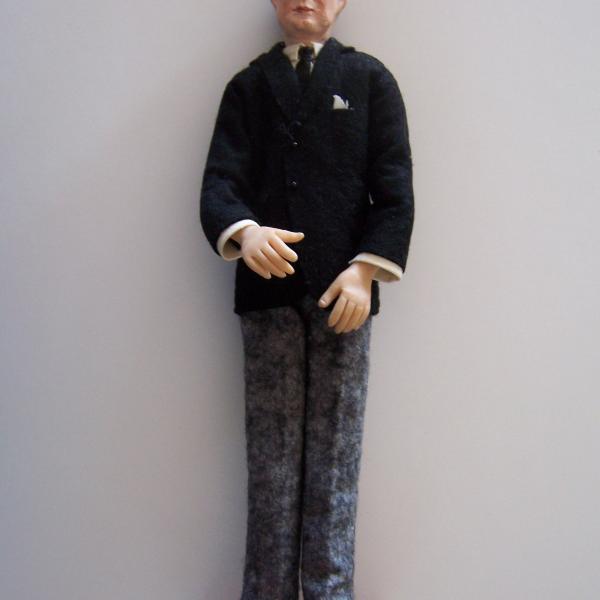
John F. Kennedy
John F. Kennedy (1917-1963), also known as JFK, was the 35th president of the United States, serving from 1961 until his assassination in 1963. He was the youngest person ever elected president at 43 and the first Roman Catholic to hold the office. Kennedy navigated major Cold War crises, including the Cuban Missile Crisis and tensions over the Berlin Wall, while promoting the “New Frontier” agenda to improve education, civil rights, and healthcare. He championed the Space Race, created the Peace Corps, and worked to strengthen international aid and diplomacy. A World War II Navy veteran and Pulitzer Prize-winning author, his presidency remains iconic for its youthful energy and idealism.
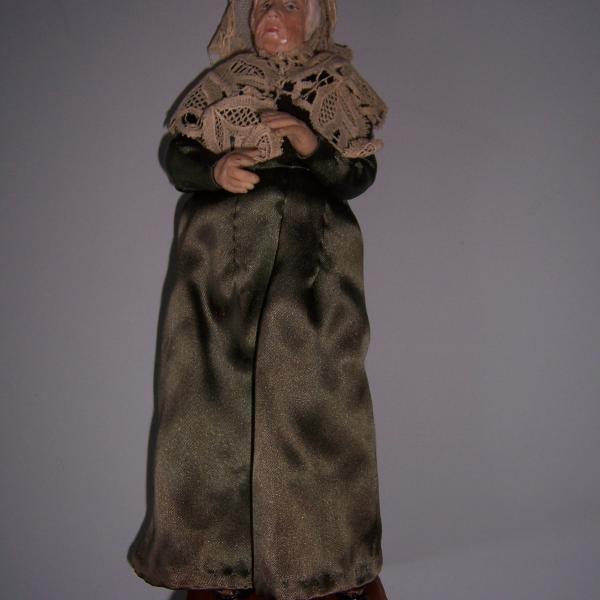
Julia Howe
Julia Ward Howe (1819-1910) was a prominent American abolitionist, social activist, lecturer, and poet, most famous as the author of "The Battle Hymn of the Republic. Howe and her husband published the Commonwealth, an abolitionist newspaper, but for the most part he kept her out of his affairs and strongly opposed her involving herself in any sort of public life. In February 1862, The Atlantic Monthly published her poem “Battle Hymn of the Republic,” to be set to an old folk tune also used for “John Brown’s Body.” The song became the semi-official Civil War song of the Union Army. After the war, Howe involved herself in the women's suffrage movement. In 1868 she helped form and was elected the first president of the New England Woman Suffrage Association, an office she held until 1877 (and again from 1893-1910), and from 1869 she took a leading role in the American Woman Suffrage Association. She also took up the cause of peace and in 1870 published her “Appeal to Womanhood throughout the World,” a call for an international conference of women on the subject of peace. In 1871 she became the Peace Association. Howe continued to write throughout her life, publishing travel books, poetry, first president of the American branch of the Woman’s International collections of essays, and biographies. In 1908 she became the first woman to be elected to the American Academy of Arts and Letters. She was an American public institution by the time of her death.
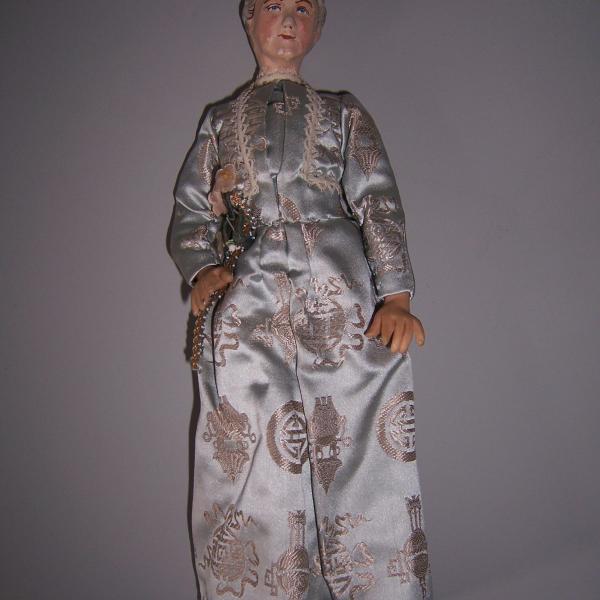
Jane Addams
Jane Addams (1860-1935) was a founder of the U.S. Settlement House movement, and one of the first women to be awarded the Nobel Peace Prize. During one of Addams’ trips to Europe, she visited London's Toynbee Hall, which was a settlement house for boys based on the new philosophy of charity. Toynbee Hall was Jane's main inspiration for Hull House. In 1889, she and her college friend, Ellen Gates Starr, co-founded Hull House in Chicago, Illinois, the first settlement house in the United States. The Hull House neighborhood was a mix of various European ethnic groups that had immigrated to Chicago beginning at the turn of the nineteenth/twentieth century. At its height, Hull House was visited each week by around 2000 people. Jane was elected president of the Women's International League for Peace and Freedom, which entailed her traveling often to Europe (both during and after World War I) and Asia. During World War I, Addams faced harsh rebukes and criticism as a pacifist. During Addams’ travels, she spent time meeting with a wide variety of diplomats and civic leaders and reiterating her Victorian belief in women's special mission to preserve peace. Recognition of these efforts came with the award of the Nobel Peace Prize to Addams in 1931. As the first U.S. woman to win the prize, Addams was applauded for her "expression of an essentially American democracy." Addams worked with labor as well as other reform groups toward goals including the first juvenile-court law, tenement-house regulation, an eight-hour working day for women, factory inspection, and workers' compensation. She advocated research aimed at determining the causes of poverty and crime, and supported woman suffrage. She was a strong advocate of justice for immigrants and blacks, becoming a chartered member of the NAACP. However, one cannot discount Jane Addams' influence as a peace advocate. Her writings and her speeches, on behalf of the formation of the League of Nations, are all well documented. The United Nations—which came to fruition nearly a half century beyond her time—is an integral part of that legacy left to us by Jane Addams.
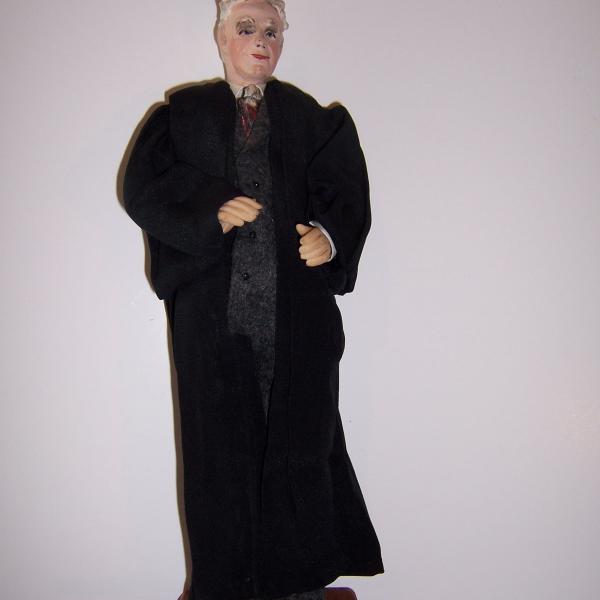
Louis D. Brandeis
Louis Dembitz Brandeis (1856-1941) was a lawyer and the first Jewish justice of the U.S. Supreme Court (1916–39); who was known for his liberal views and his dissenting opinions. Brandeis settled in Boston, where he became a recognized lawyer through his work on social causes that would benefit society. He helped develop the "right to privacy". He also became active in the Zionist movement, seeing it as a solution to the "Jewish problem" of anti-Semitism in Europe and Russia, while at the same time being a way to "revive the Jewish spirit." After securing his family’s finances, he began devoting his time to public causes and was later dubbed the “People’s Lawyer.” He insisted on serving on cases without pay so that he would be free to address the wider issues involved. One of his most significant contributions was the "Brandeis Brief," which relied on expert testimony from people in other professions to support cases, thereby setting a new precedent in evidence presentation. In 1916, President Wilson nominated Brandeis to become a member of the U.S. Supreme Court. His nomination was vehemently contested by fellow justices and members of the many corporations who had suffered financially because of Brandeis. Brandeis was eventually confirmed and would become one of the most famous and influential figures ever to serve on the Supreme Court. His case opinions were, according to legal scholars, some of the “greatest defenses” of freedom of speech and the right to privacy ever written by a member of the high court.

Marion Anderson
Marion Anderson (1897-1993) was an American contralto, noted for her singing of lieder, operatic arias, and spirituals, and for the beauty of her voice. Italian conductor Arturo Toscanini said that she had “a voice heard once in a hundred years.” In 1955, Anderson became the first African American singer to perform at the Metropolitan Opera House in New York City. Anderson later became an important symbol of grace and beauty during the civil rights movement in the 1960s, notably singing at the March on Washington for Jobs and Freedom in 1963. She also worked for several years as a delegate to the United Nations Human Rights Committee and as a "goodwill ambassadress" for the United States Department of State. Anderson was awarded the Presidential Medal of Freedom in 1963, the Kennedy Center Honors in 1978, the National Medal of Arts in 1984, and a Grammy Lifetime Achievement Award in 1991.
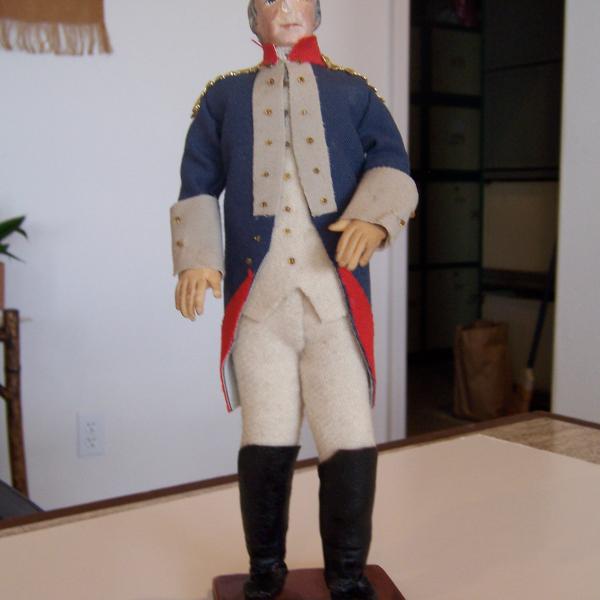
Marquis de LaFayette
Marie- Joseph-Paul-Yves-Roch-Gilbert du Motier, marquis de Lafayette (1757-1834) was born into an ancient noble family. Lafayette had already inherited an immense fortune by the time he married the daughter of the influential duc d’Ayen in 1774. He joined the circle of young courtiers at the court of King Louis XVI, but soon aspired to win glory as a soldier. Hence, in July 1777, 27 months after the outbreak of the American Revolution, he arrived in Philadelphia. Appointed a major general by the colonists, he quickly struck up a lasting friendship with the American commander in chief, George Washington. Over the next few years, Lafayette split his time fighting in important battles and returning to France to convince the French government to send aid to the states. At the end of the War, Lafayette was hailed as “the Hero of Two Worlds,” and on returning to France in 1782, he was promoted maréchal de camp. On July 15, the day after a crowd stormed the Bastille, Lafayette had been elected commander of the newly formed national guard of Paris. His troops saved Louis XVI and Queen Marie-Antoinette from the fury of a crowd that invaded Versailles on October 6, and he then carried the royal family to Paris, where they became hostages of the Revolution. For the next year, Lafayette’s popularity and influence were at their height. He supported measures that transferred power from the aristocracy to the bourgeoisie, but he feared that further democratization would encourage the lower classes to attack property rights. When a crowd of petitioners gathered on the Champ de Mars in Paris (July 17, 1791) to demand the abdication of the King, Lafayette’s guards opened fire, killing or wounding about 50 demonstrators. The incident destroyed his popularity, and in October, he resigned from the guard. After this, he never returned to the same life and fled to Austria before returning to France to finish out his career after Napoleon came to power.
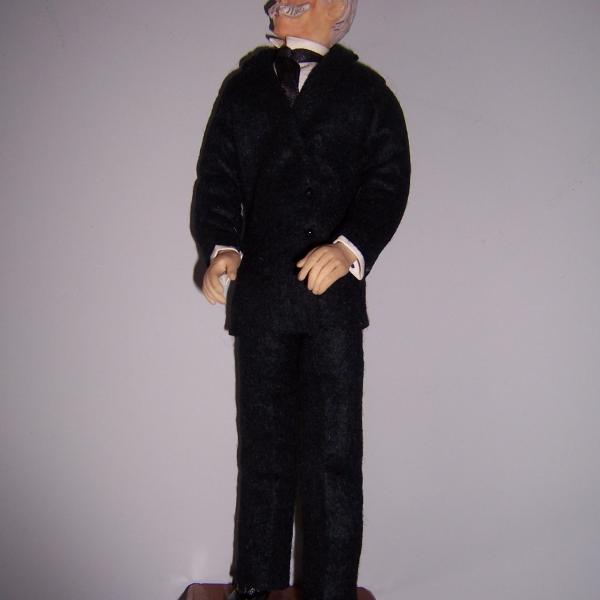
Oliver Holmes
Oliver Wendell Holmes, Jr. (1841-1935) was a justice of the United States Supreme Court, U.S. legal historian, and philosopher who advocated judicial restraint. He stated the concept of “clear and present danger” as the only basis for limiting free speech. Oliver Wendell Holmes, Jr., was the first child of the celebrated writer and physician Oliver Wendell Holmes. As a first lieutenant in the 20th Massachusetts Regiment of Volunteers in the Civil War, he was seriously wounded three times, at the battles of Ball’s Bluff, Antietam, and Chancellorsville. Holmes experienced certain restlessness in law school, finding the tradition of the law as presented in an uninspired curriculum to be stagnant and narrowly precedent-centered. In 1880–81 Holmes was invited to lecture on the common law at the Lowell Institute in Boston, and from these addresses developed his book The Common Law (1881). Here the genius of Holmes was first clearly revealed, and the consistent direction of his thought made evident. In December of 1882 he accepted appointment to the Supreme Judicial Court of the State of Massachusetts, knowing the judgeship was his destiny and the function through which he could most influence the development of law. He was to sit on that bench for 20 years, becoming its chief justice in 1899. In 1902, Pres. Theodore Roosevelt appointed him associate justice of the United States Supreme Court. He sat on that court to a more advanced age than did any other man, retiring on Jan. 12, 1932, soon before his 91st birthday. Holmes believed that the making of laws is the business of legislative bodies, not of courts, and that within constitutional bounds the people have a right to whatever laws they choose to make, good or bad, through their elected representatives. He stated the concept of “clear and present danger” as the only basis for curtailing the right of freedom of speech, illustrating it with the homely example: “The most stringent protection of free speech would not protect a man in falsely shouting fire in a theatre and causing a panic.” He wrote that “the best test of truth is the power of the thought to get itself accepted in the competition of the market. . . . That at any rate is the theory of our Constitution.” During Holmes’ long span of years on the Supreme Court, he became acknowledged as one of the most notable jurists of the age—in the opinion of many, the foremost.
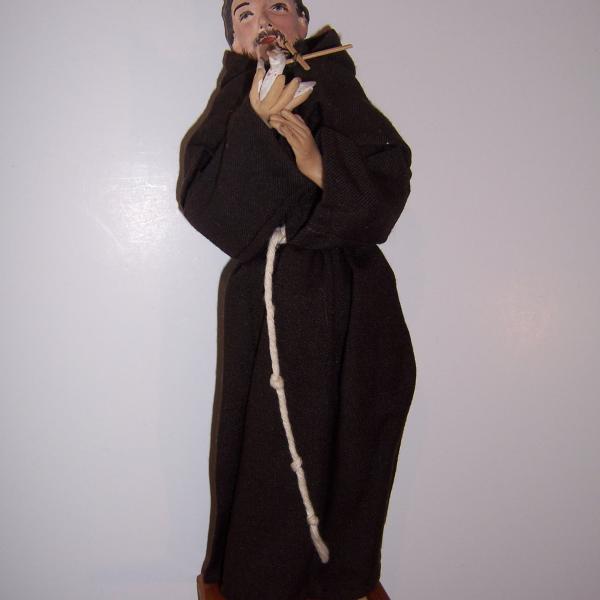
St. Francis of Assisi
St. Francis of Assisi (1182-1226) was an Italian mystic and preacher who founded the Franciscans. He was held captive in Perugia for over a year, and while imprisoned, he suffered a severe illness during which he resolved to alter his way of life. His father disowned him for his new way of life, and Francis discarded his rich garments for a bishop’s cloak and devoted the next three years to the care of outcasts and lepers in the woods of Mount Subasio. One day during Mass, he heard a call telling him to go out into the world and, according to the text of Matthew 10:5-14, to possess nothing, but to do good everywhere. Upon returning to Assisi that same year, Francis began preaching, and he gathered the 12 disciples who became the original brothers of the First Order, with Francis as superior. When Francis returned from the Holy Land, he found dissension in the ranks of the friars and resigned as superior, spending the next few years planning what became the Third Order of Franciscans, the tertiaries. In September 1224, after 40 days of fasting, Francis was praying on Monte Alverne when he felt pain mingled with joy, and the marks of the crucifixion of Christ, the stigmata, appeared on his body. Francis was carried back to Assisi, where his remaining years were marked by physical pain and almost total blindness. He was canonized in 1228. In 1980, Pope John Paul II proclaimed him the patron saint of ecologists. He is also the patron saint of Italy.
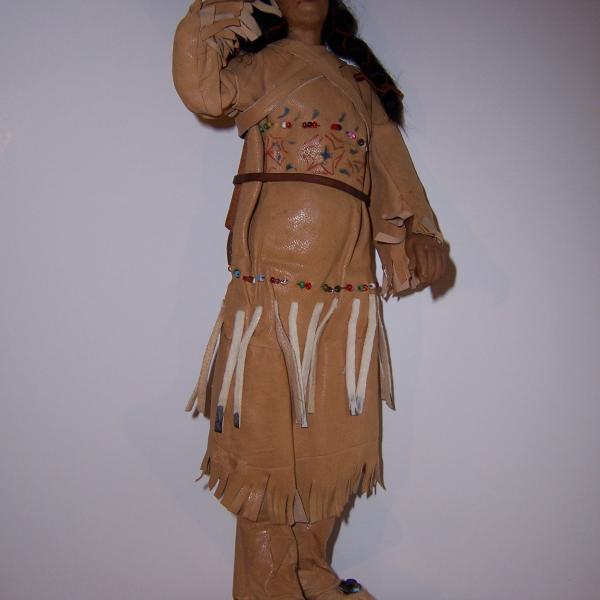
Sacagawea
Sacagawea (1788-1812) was a Shoshone woman who accompanied the Lewis and Clark Expedition in their exploration of the Western United States. She traveled thousands of miles from North Dakota to the Pacific Ocean between 1804 and 1806. In February 1805, she gave birth to her son, Jean Baptiste. She was a significant asset to the expedition, by searching for edible plants, making moccasins and clothing, as well as allaying suspicions of approaching Indian tribes through her presence; a woman and child accompanying a party of men indicated peaceful intentions. Shortly after the birth of a daughter named Lisette, a woman identified only as Charbonneau’s wife (but believed to be Sacagawea) died at the end of 1812 at Fort Manuel. Clark became the legal guardian of Lisette and Jean Baptiste and listed Sacagawea as deceased in a list he compiled in the 1820s. (There are many theories, however, regarding Sacagawea’s death). Sacagawea’s son, Jean Baptiste, traveled throughout Europe before returning to enter the fur trade. He became an alcalde, a hotel clerk, and a gold miner. Lured to the Montana goldfields following the Civil War, he died en route near Danner, Ore., in May of 1866. In 2001, U.S. President Bill Clinton granted Sacagawea a posthumous decoration as an honorary sergeant in the regular army. The National American Woman Suffrage Association of the early twentieth century adopted Sacagawea as a symbol of women's worth and independence, erecting several statues and plaques in her memory, and doing much to spread the story of her accomplishments.
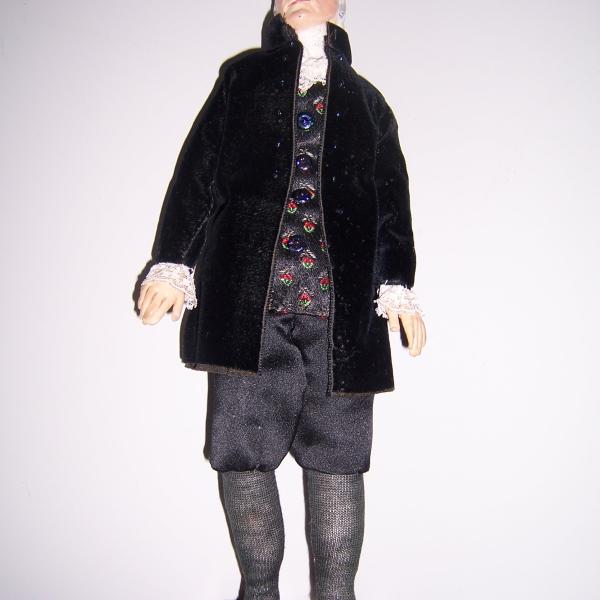
Thomas Jefferson
Thomas Jefferson (1743–1826) was the third president of the United States and the principal author of the Declaration of Independence. Before his presidency, he served in the Virginia legislature, wrote A Summary View of the Rights of British America, and helped draft key revolutionary documents in the Continental Congress. He later became U.S. minister to France, the first secretary of state under George Washington, and vice president under John Adams, where he opposed the Alien and Sedition Acts. Elected president in 1800 after a tie with Aaron Burr, he worked to limit federal power, reduce national debt, and expand the nation through the Louisiana Purchase and the Lewis and Clark Expedition. Jefferson also founded the University of Virginia and, despite being a lifelong slaveholder, supported gradual emancipation.

Wing Luke
Wing Chong Luke (1925-1965) was the first Asian American to hold elected office in the State of Washington. Only halfway through his senior year, Luke was inducted into the Army. Initially in the Army Specialized Training Program, he then joined the infantry and field artillery and was acting first sergeant and regimental S-1 sergeant in the 40th Division Field Artillery. He served in Guam, Korea, New Guinea, New Britain, and the Philippines, where he received the Bronze Star. Initially in private practice, he soon was appointed the Assistant Attorney General of the State of Washington, in the Civil Rights Division, and served in that capacity from 1957-1962. In December, 1961, Luke took a leave of absence from his duties to file for position number 5 on the Seattle City Council, which he won, and was sworn in on March 13, 1962, when he became the first Asian American to hold elected office in the Pacific Northwest. Believing that the culture and traditions of Chinese and other Asian immigrants should be preserved and taught, Luke envisioned a place to present the history and important issues of Asian Americans. The Wing Luke Asian Museum in Seattle's International District was founded to fulfill that vision.