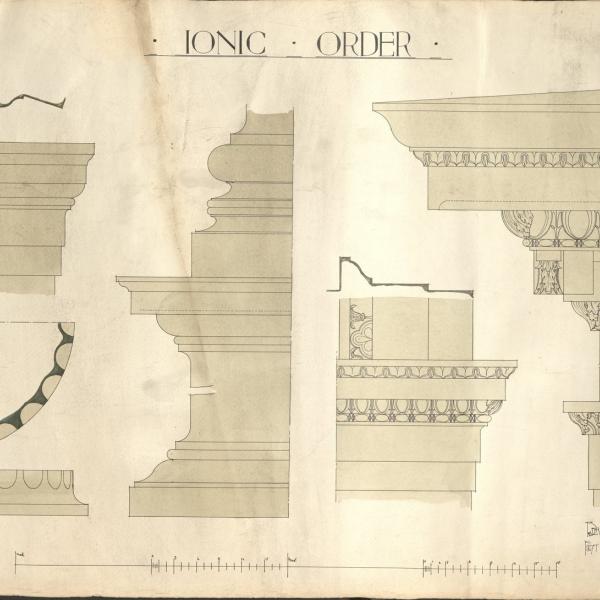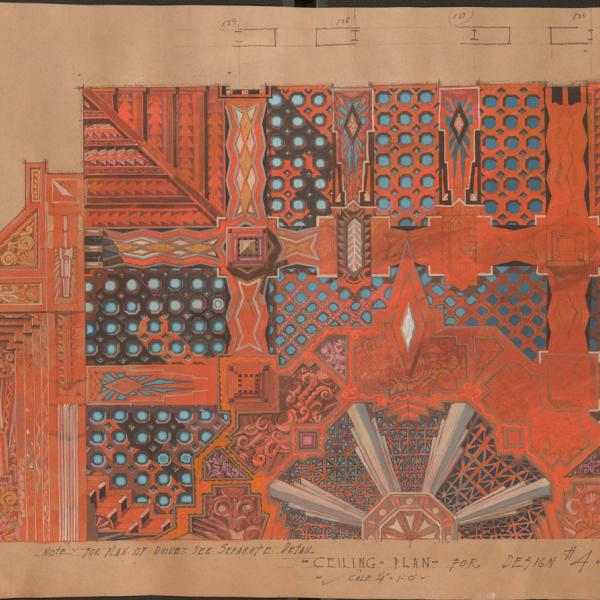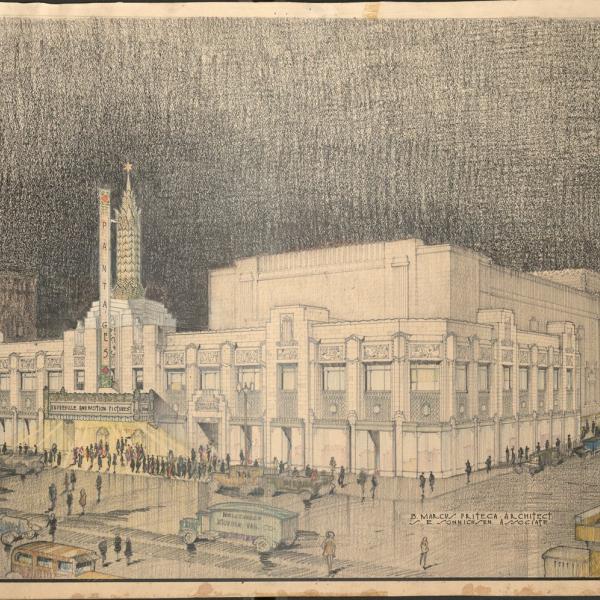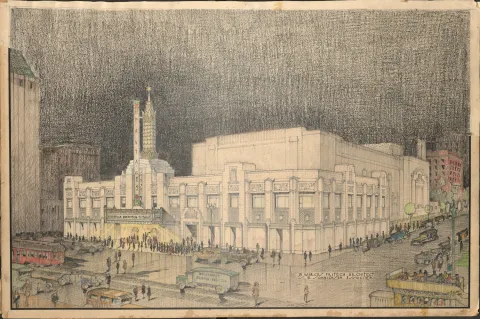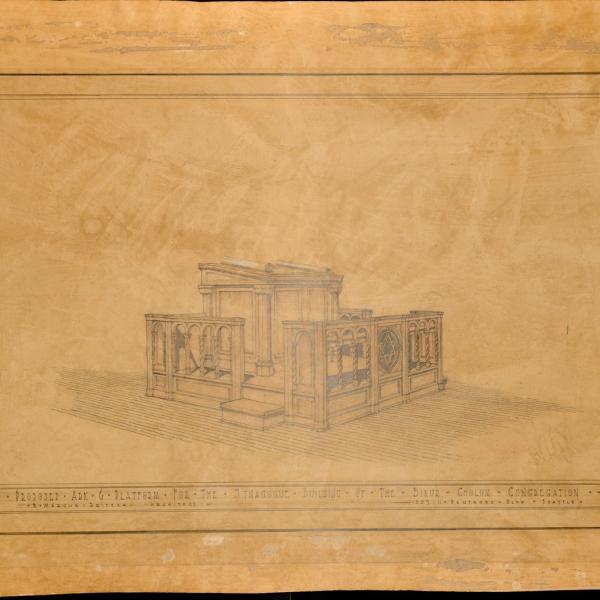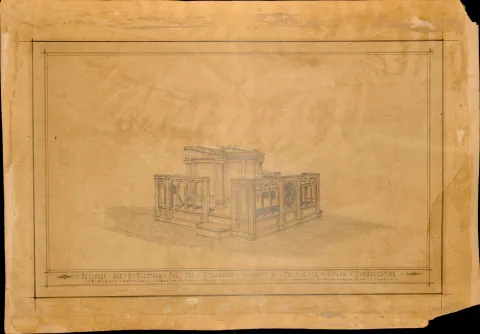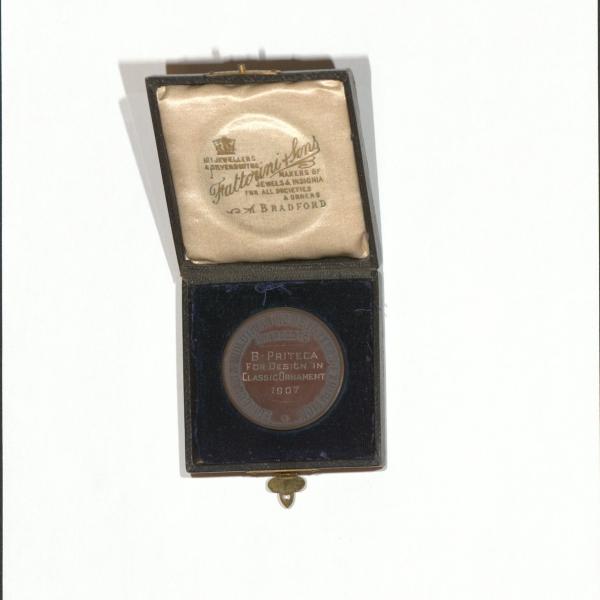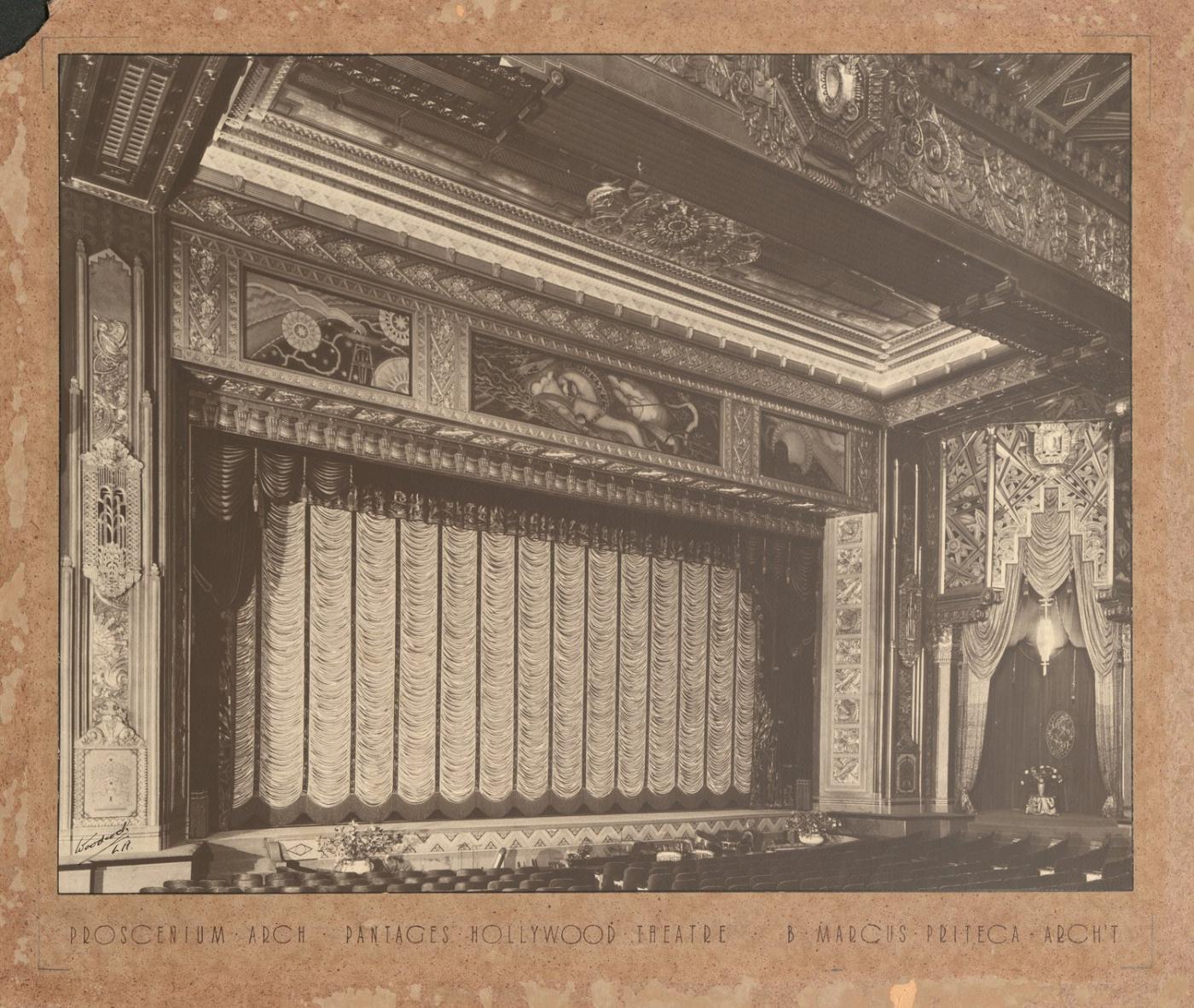
The B. Marcus Priteca Collection
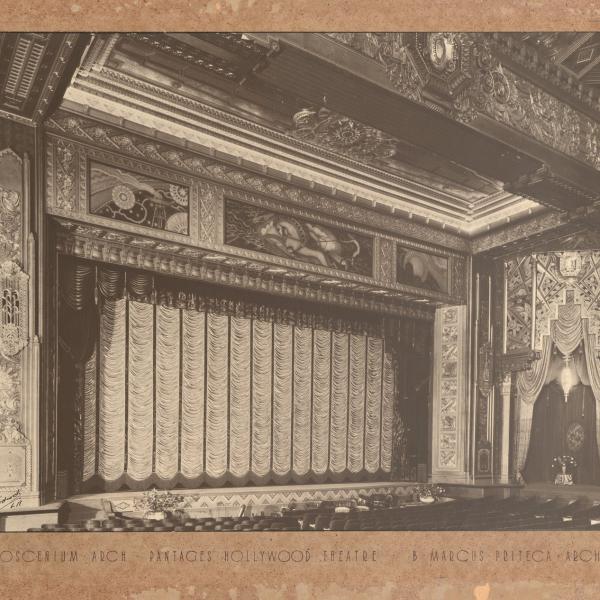
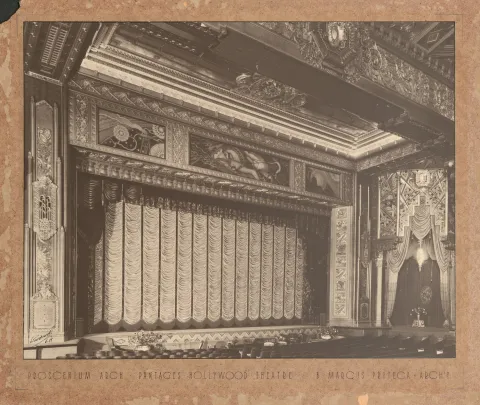
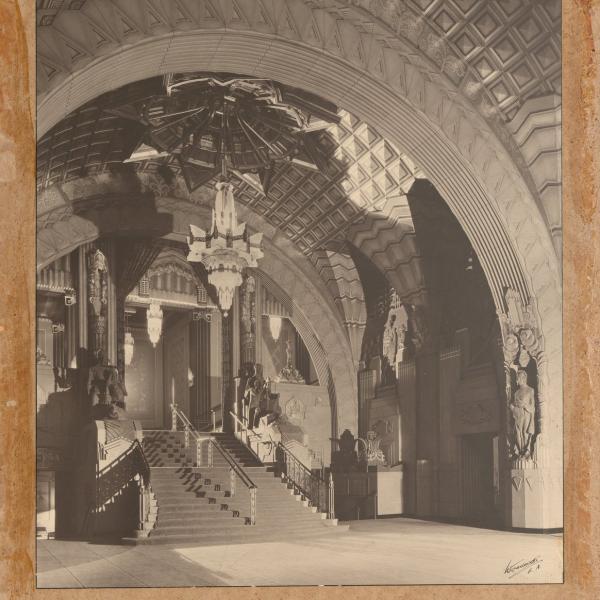
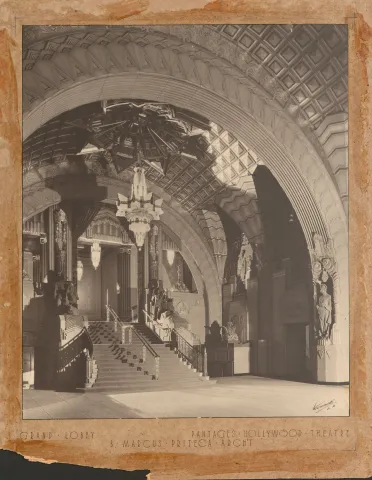
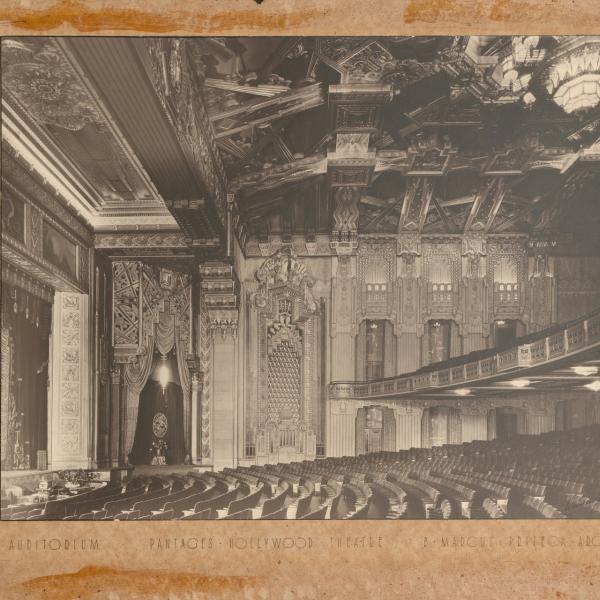
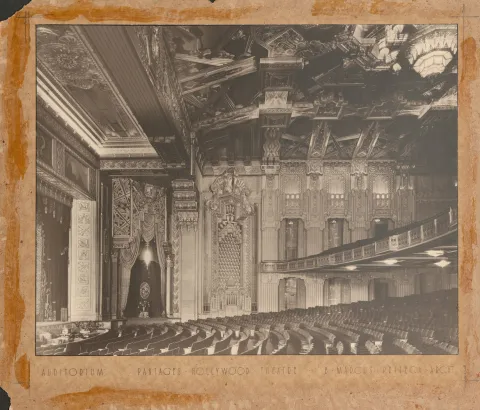
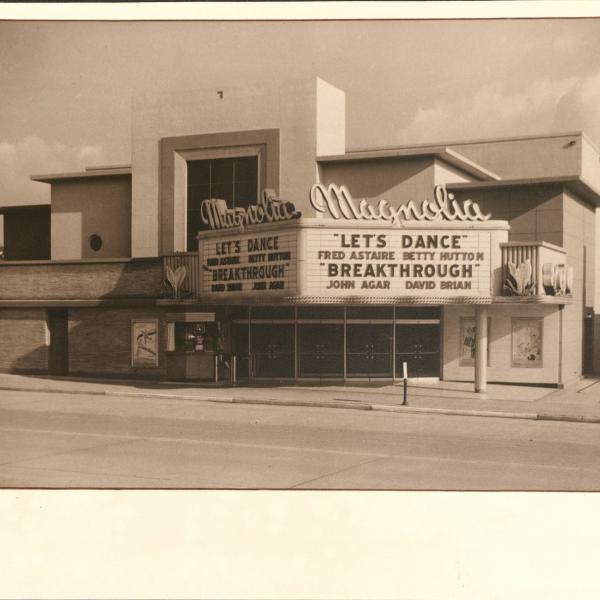
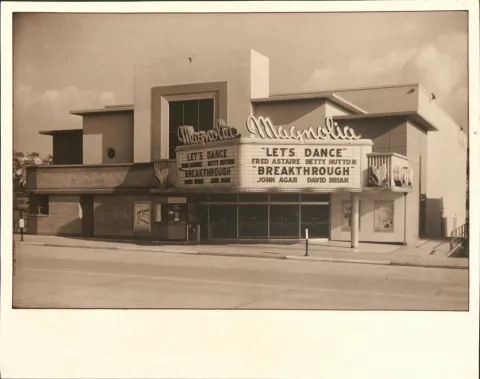
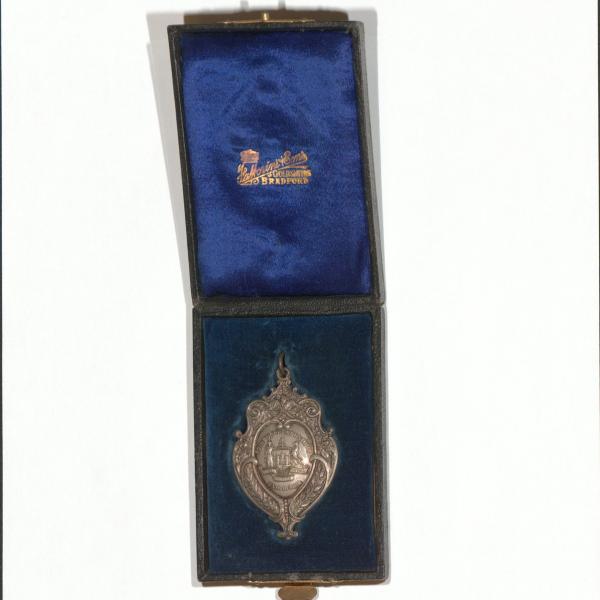
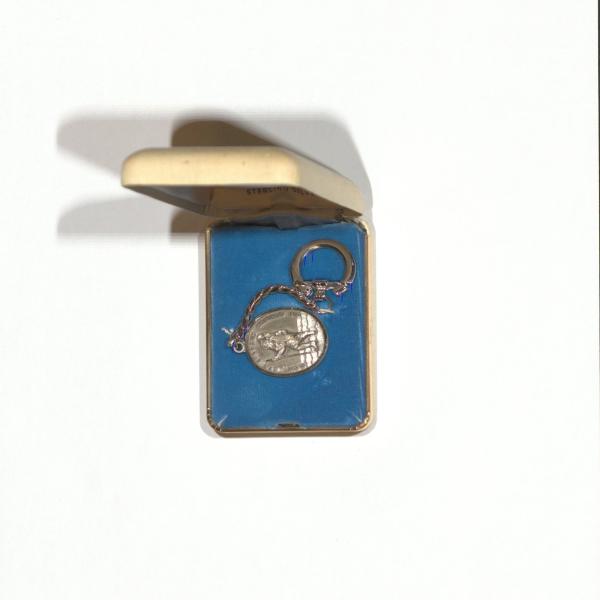
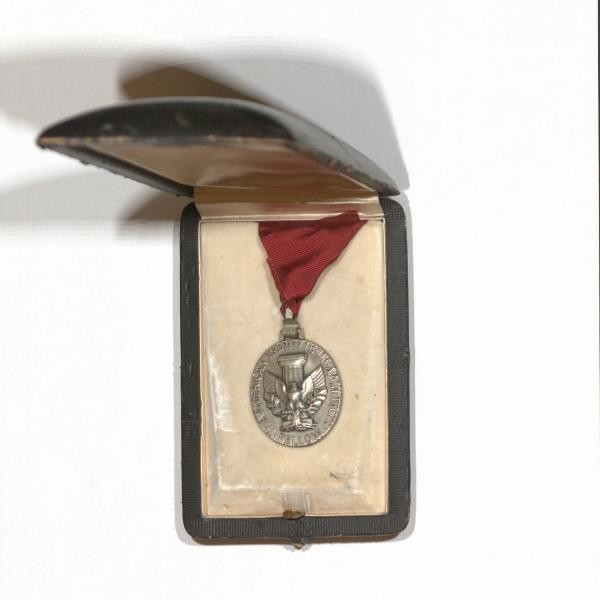
Born in Glasgow in 1889, B. Marcus Priteca emigrated to Seattle in 1909 and became one of the most influential theater architects of the early 20th century. Best known for his collaboration with vaudeville impresario Alexander Pantages, Priteca designed more than 150 theaters across North America, including the Hollywood Pantages Theatre and Seattle’s Admiral and Magnolia Theatres. Renowned for creating a sense of luxury on modest budgets, he remained active in architecture for decades and was named a Fellow of the American Institute of Architects in 1951.
About The Collection
Benjamin Marcus Priteca was born into a Jewish family in Glasgow on December 23rd, 1889. He served an apprenticeship in Edinburgh under architect Robert MacFarlane Cameron from 1904 to 1909, earning degrees from the University of Edinburgh and the Royal College of Art. In 1909, he emigrated to the U.S. and settled in Seattle.
Priteca met Seattle vaudeville theatre owner Alexander Pantages in 1910 and won a commission from him to design the San Francisco Pantages Theater in 1911, the first of many vaudeville and motion picture houses they worked on together. Pantages is said to have liked Priteca as a theater architect for his ability to create the appearance of opulence within a less-than-opulent budget.
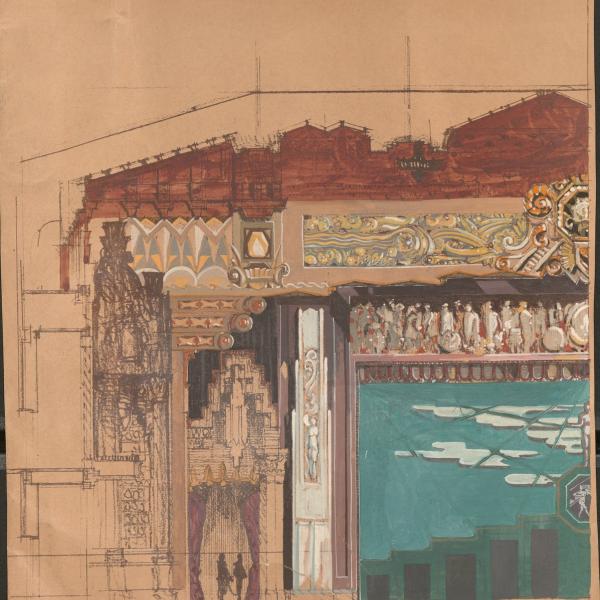
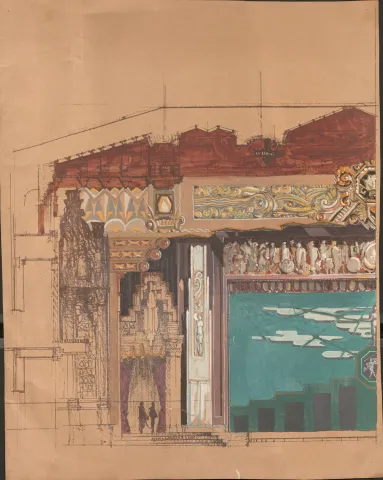
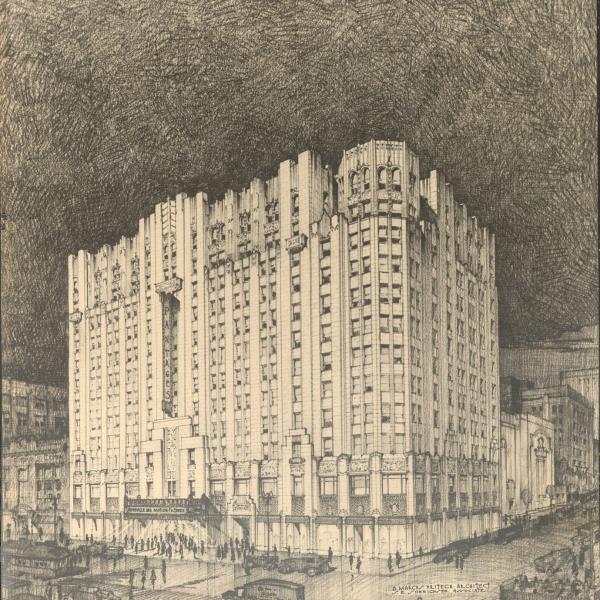
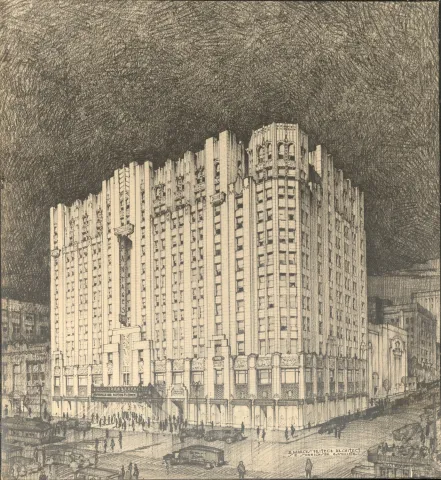
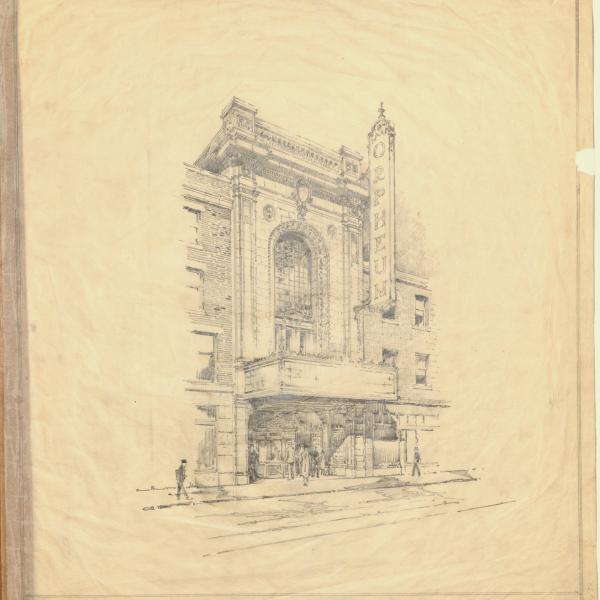
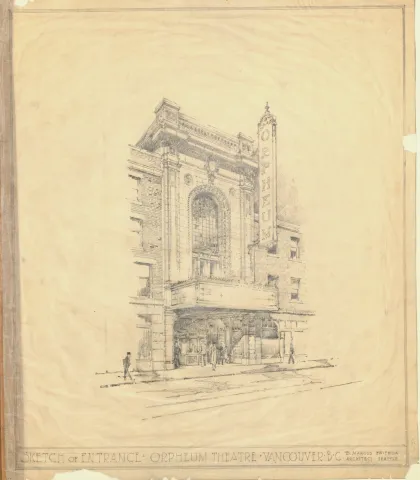
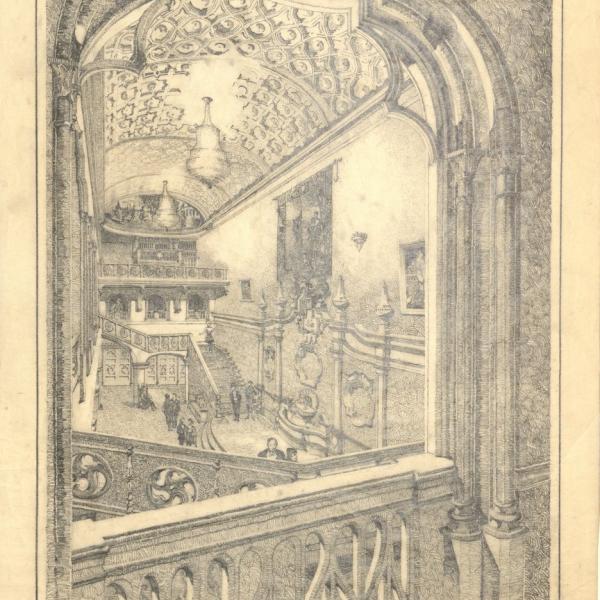
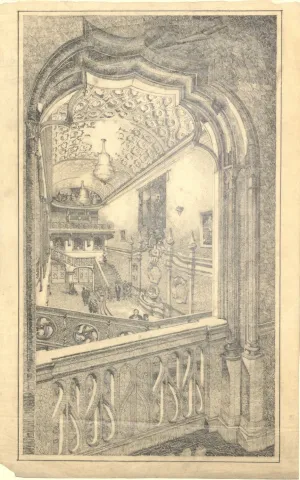
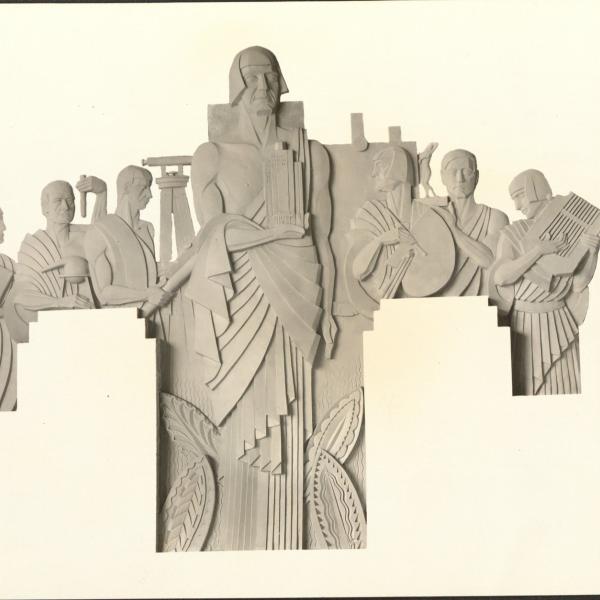
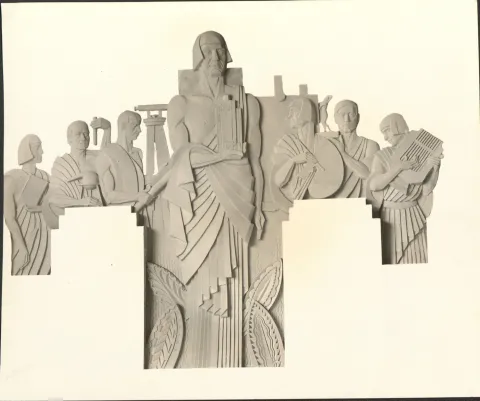
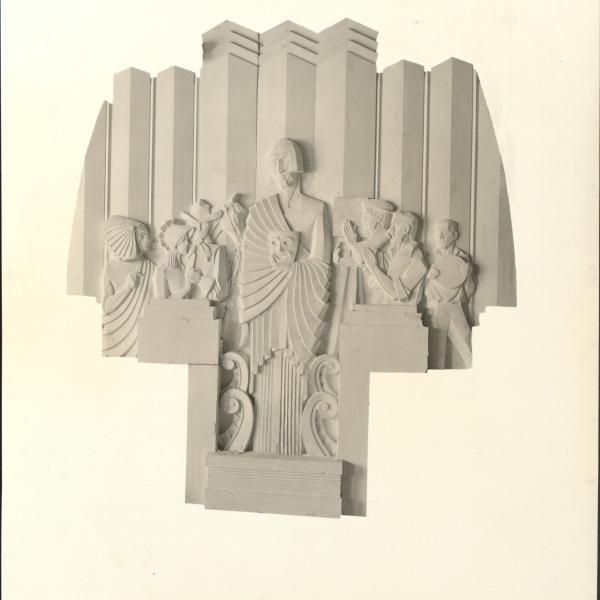
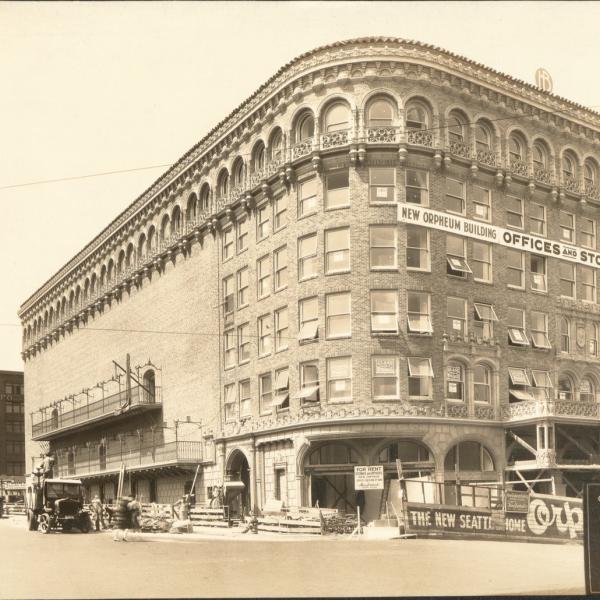
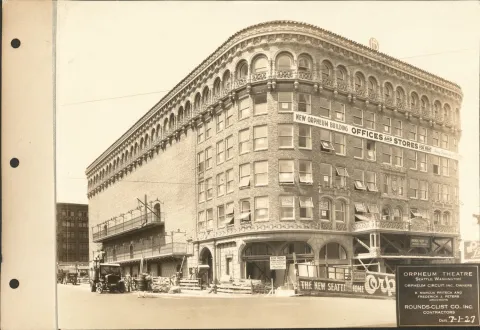
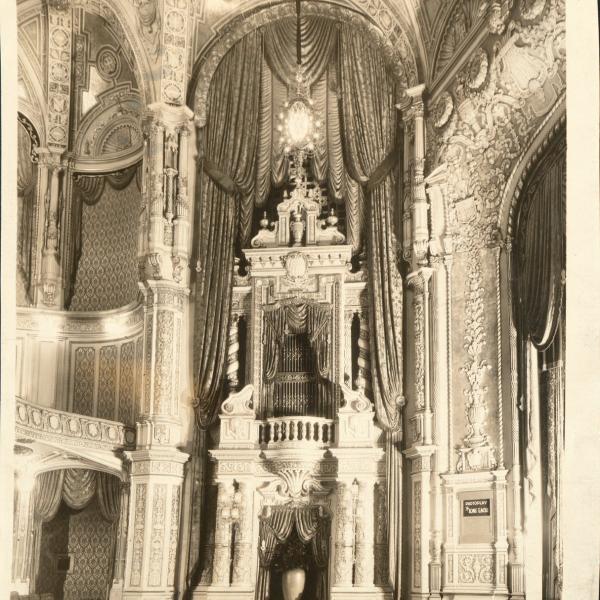
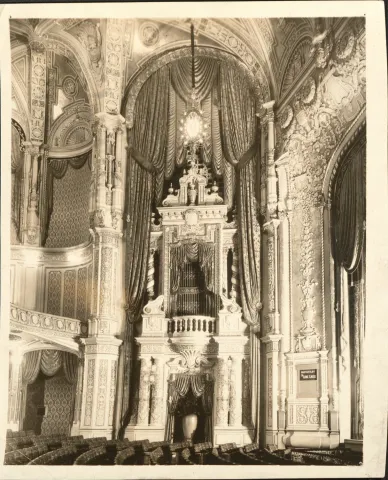
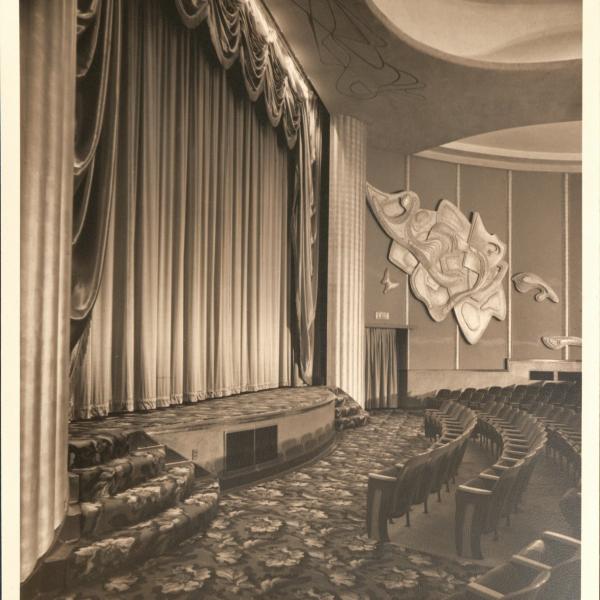
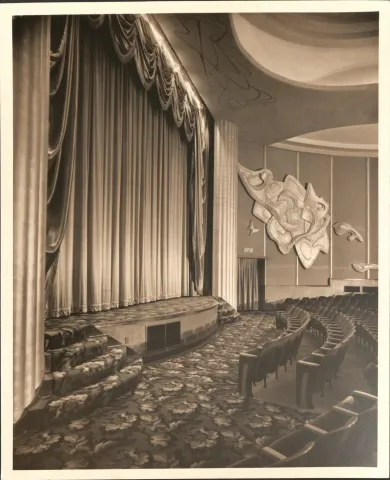
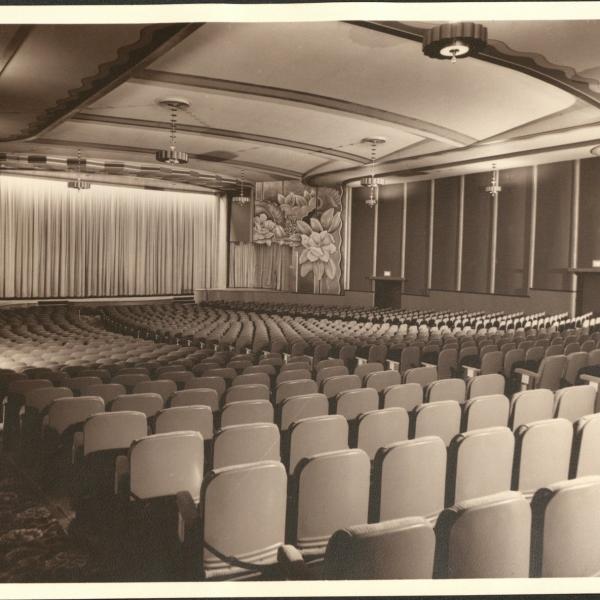
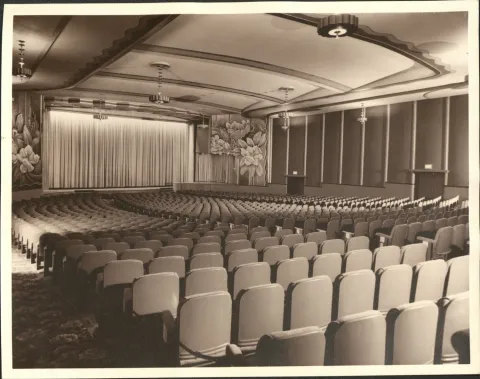
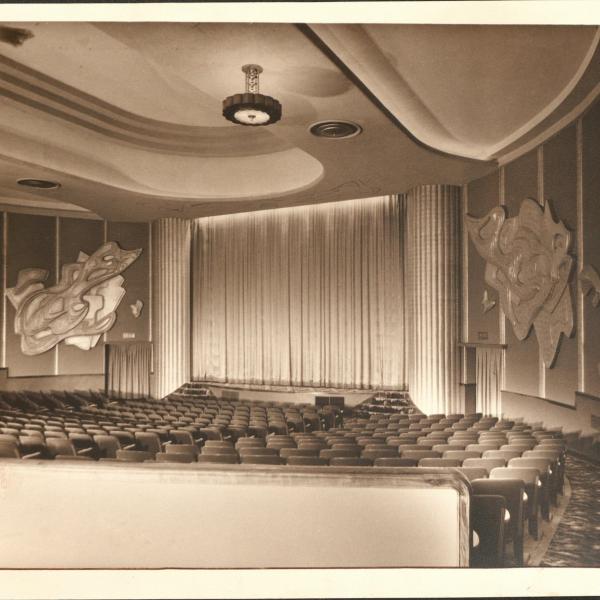
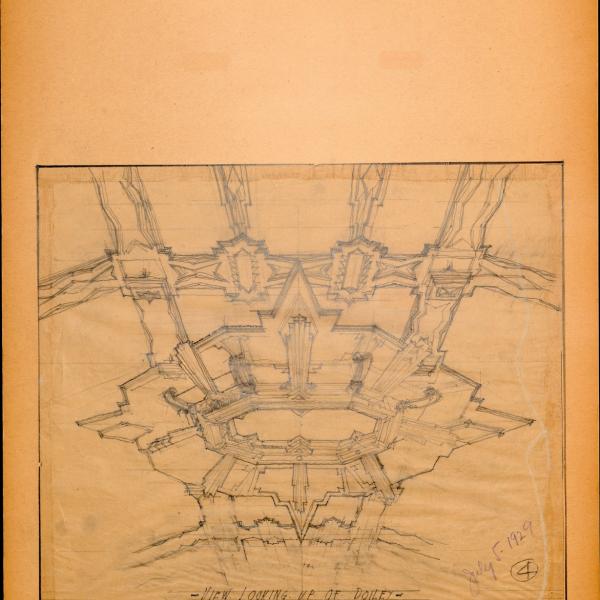
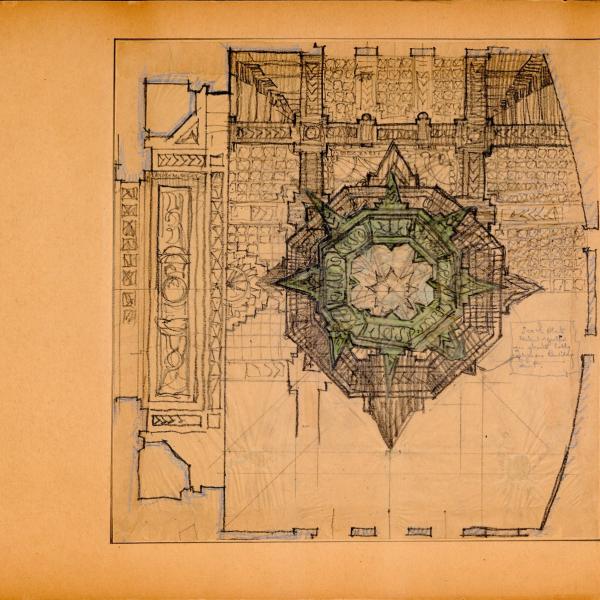
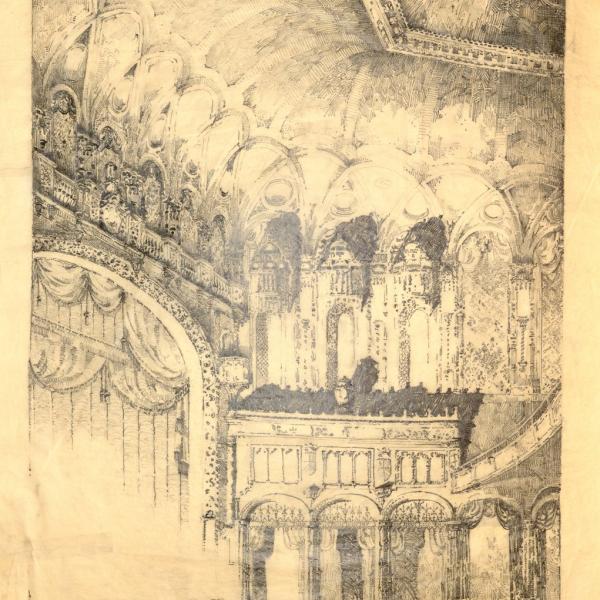
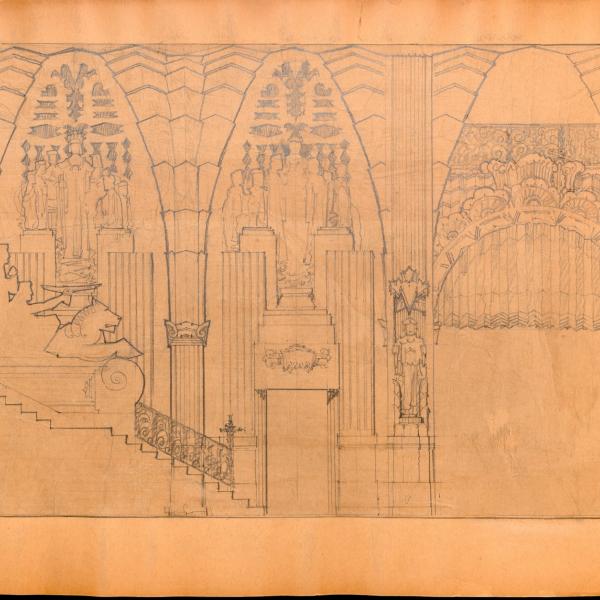
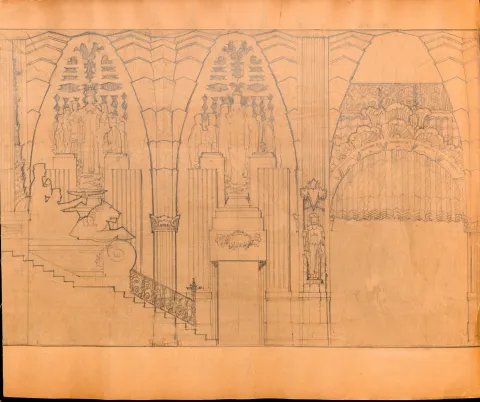
Priteca designed 22 theaters for Alexander Pantages and 128 for other theater owners; half of all the Priteca-designed theaters are still in operation today. This collection contains the following theatres of note: the Hollywood Pantages Theatre (1920) in Los Angeles, California; the Orpheum Theatre in Vancouver, Canada; the Admiral (1942) and Magnolia Theatres (1948) in Seattle, Washington; and the State Theater in Olympia, Washington (1949). Other buildings depicted in this collection include Congregation Bikur Cholim Synagogue (1915), Seattle, Washington (and currently the Langston Hughes Performing Arts Institute).
B. Marcus Priteca kept an office in the Pantages Building, home of the Pantages (Palomar) Theatre at Third and University Street in Downtown Seattle, and many of the architectural drawings list his office address. Operating until 1965, the Palomar Theatre was later torn down to build a parking garage. In 1951, Priteca became a Fellow of the American Institute of Architects. Remaining active as an architect well into his later years, he passed away in 1971 at the age of 82.
For more information on Priteca and the buildings he designed in Seattle, as well as nationwide, see the following HistoryLink article. Digitization and cataloging of materials in this collection were made possible with funding and generous support from 4Culture.