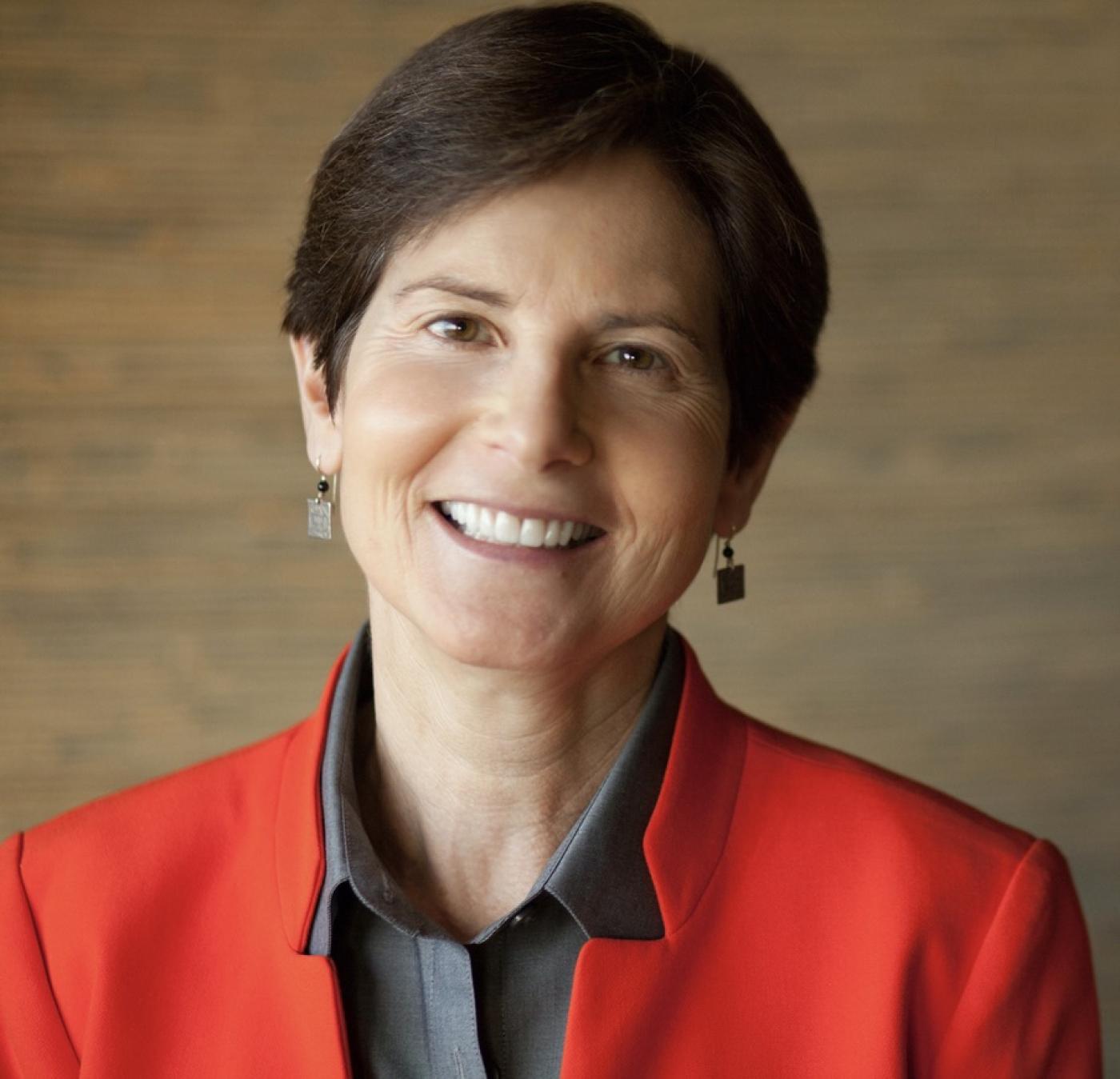
Yeah and it was terrible. That was the Thanksgiving where we had awful winds and they closed down the 520 bridge. It was so bad. So really awful weather that folks were in and they were in these living in tents. So anyway, led an effort that turned out to create the first transitional housing. So it was self-managed, the first self-managed transitional housing. Um, it was the Aloha on Aurora that's still there and then the first transitional housing for women, which we stood up in, in Belltown, called the Noel House. Um, and that really was in its day, pretty impactful. Um, and then had the opportunity to work on a number of LGBTQ civil rights issues over the years. That was all of that was particularly meaningful to me because it was all done in coalition with others. So faith leaders, labor leaders, uh, those from the pro-choice movement, all of that coalition willing to stand together to protect the dignity and and equality. Uh, and we won each of those battles over the years. Uh, they kept coming at us and we kept fighting back. So that was all going on in in addition to what I was doing professionally and then, um, when I finished with Norm's office, Governor Locke appointed me to chair the Utilities and Transportation Commission and that was the era- you may not remember this, but there was a company out of Texas called Enron that was trying to deregulate energy, uh, all across the country. They started in California and had largely succeeded and this was going to really wreak havoc for a lot of folks, particularly those who couldn't afford higher prices and, and what Enron was doing and so in that time period when I was chairing the utilities commission, uh, that was the big fight to keep them from getting a foothold here and then to enact a number of consumer protection improvements in the telecommunications industry, which was going through a lot at that time. And then I served on the bench, I was appointed in Seattle to the bench and accepted that because I'd really wanted to work on creating something that was called a mental health court, which there weren't any municipal mental health courts in that day. This was the first the first one. And so founding that and then presiding over that, uh, to divert folks with mental illness and in behavioral crisis out of the criminal legal system and into access to housing and treatment and other support. Um, so all of those were, you know, I would say, consistent with, you know, the tradition of providing opportunity for others inspiring, hopefully to purposeful action, working in collaboration with others who, um, you know, were equally committed to addressing intolerance and to acting on our values. So all of those were were really, um, wonderful experiences. The, the other one for which people, I think probably talk to talk with me about the most is, uh, saving the storm, which was in 2007, 2008, time period.